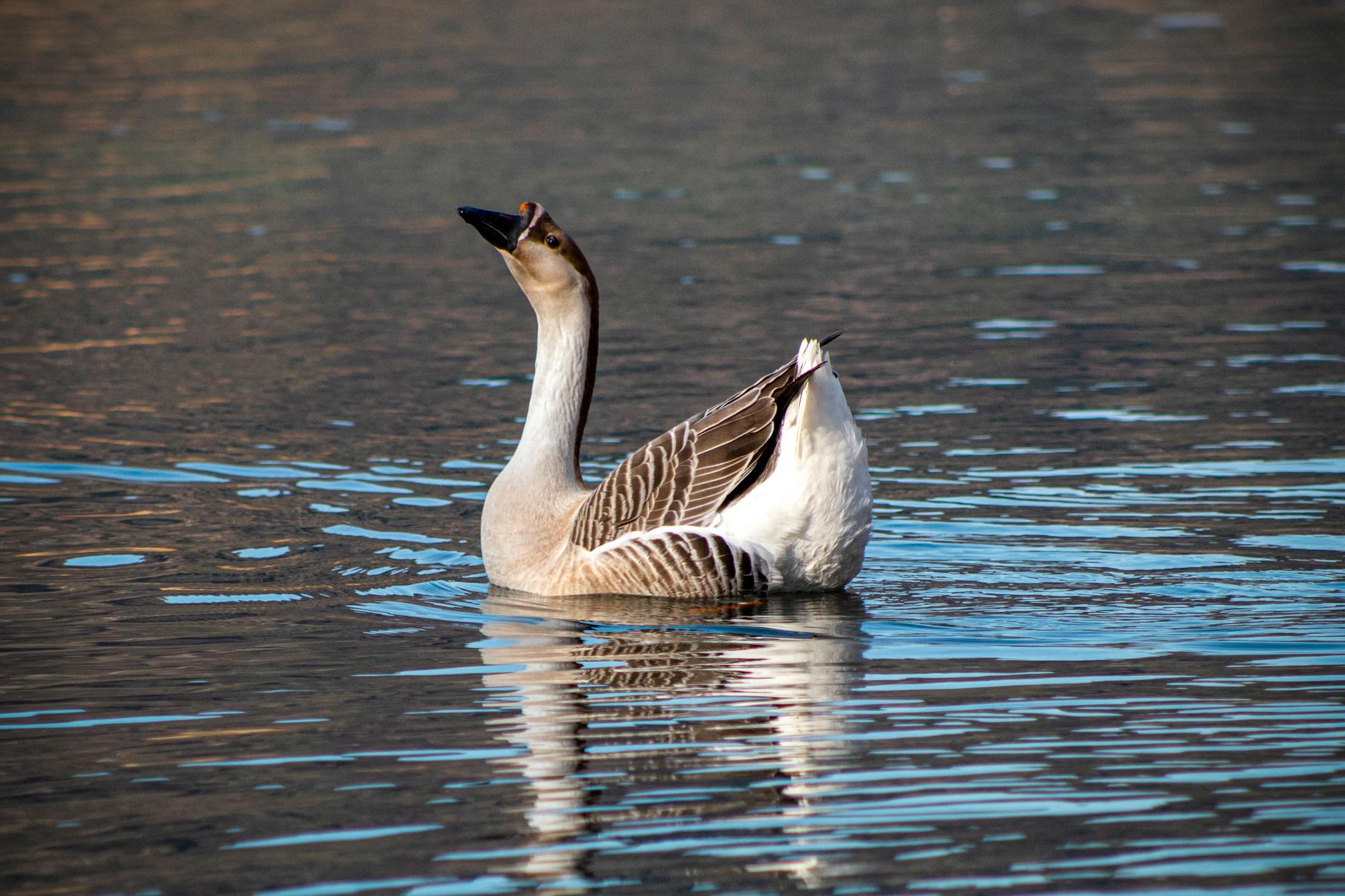
Three black-necked swans have tested positive for avian influenza at the Carlos Anwandter Nature Sanctuary in Chile's Los Ríos region. The discovery has triggered an emergency zoosanitary alert and localized quarantine measures.
Eduardo Monreal, the regional director of the Agricultural and Livestock Service (SAG), confirmed the total number of cases has risen to three. The initial infection was identified after a dead swan was recovered and sent to a laboratory for analysis.
Following the first discovery, officials conducted additional testing within the same sector. These subsequent tests revealed that the virus had spread to more individuals within the sanctuary.
“We had only one confirmed case until Friday, and on Sunday, the laboratory confirmed two more cases from samples that had been taken last week,” Monreal said. “Therefore, to date, we have three positive samples, all in the same area.”
The SAG is now conducting intensive surveillance activities in the surrounding areas. Authorities have implemented a quarantine zone extending one kilometer around each confirmed positive site.
Emergency Response and Public Safety
The National Disaster Prevention and Response Service (Senapred) has declared a preventive early warning alert due to the zoosanitary emergency. This measure aligns with similar protocols active in other parts of the country facing avian outbreaks.
The SAG has called on owners of domestic birds to maintain strict vigilance. Officials advised monitoring flocks for specific signs of illness, including erratic movements, heavy breathing, or an inability to fly.
The agency also warned that the virus poses a potential risk to human health. People exposed to infected birds may develop symptoms similar to a common cold or general fatigue.
Health officials emphasized that members of the public should not touch any birds showing suspicious symptoms. Contact with potentially infected wildlife can lead to zoonotic transmission.
The three swans confirmed to be carrying the virus have been euthanized. This action follows standard protocols for managing highly infectious avian diseases in wildlife.