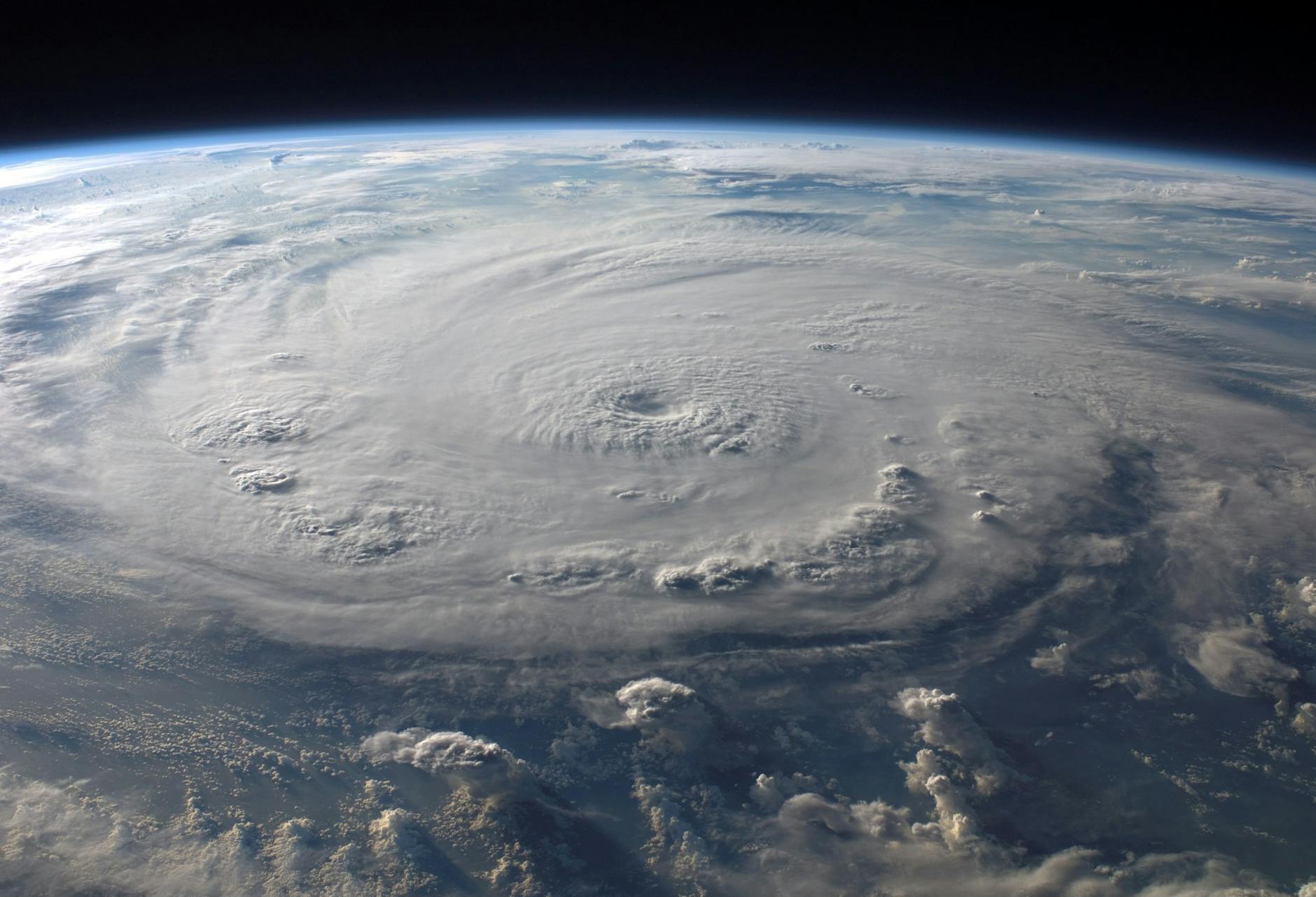
Mexico's National Water Commission (Conagua) has announced that the 2026 rainy and hurricane season is expected to see activity levels exceeding recent historical records. The agency estimates that between 29 and 36 tropical phenomena will form across the Pacific and Atlantic oceans.
This forecast significantly surpasses the historical average of 19 systems recorded between 1991 and 2020. The 2026 season could even exceed the 2025 season, which saw 31 systems despite an initial forecast of 37.
In the Pacific Ocean, authorities anticipate the highest level of activity, with a range of 18 to 21 systems. Of this total, at least nine tropical storms and between five and six Category 1 or 2 hurricanes are expected.
Additionally, between four and five major hurricanes—corresponding to Categories 3, 4, or 5—are projected. In contrast, only 18 systems were recorded in this region last year.
In the Atlantic Ocean, between 11 and 15 cyclones are forecasted. Specifically, only one or two are expected to reach Category 3 to 5 strength, while seven to eight tropical storms are predicted.
The Atlantic forecast also estimates between three and five Category 1 or 2 hurricanes. During the previous season, 13 systems were recorded in this ocean.
The 2026 tropical cyclone season is set to begin in mid-May in the Pacific and early June in the Atlantic, lasting through November in both regions.
Despite the high level of activity, authorities predicted that, much like in 2025, only about five of these phenomena are expected to make landfall in Mexico. It is worth noting that 2025 marked only the second time in the country's history that two hurricanes reached Category 5 strength in a single year.
Conagua also revealed the World Meteorological Organization names that will be used to identify systems once they reach tropical storm strength. These lists rotate every six years, and a name may be retired if a storm causes catastrophic damage.
As a preventive measure, the National Meteorological Service will test a new mobile alert system. This mechanism aims to warn the public about extreme weather conditions and heavy rainfall.