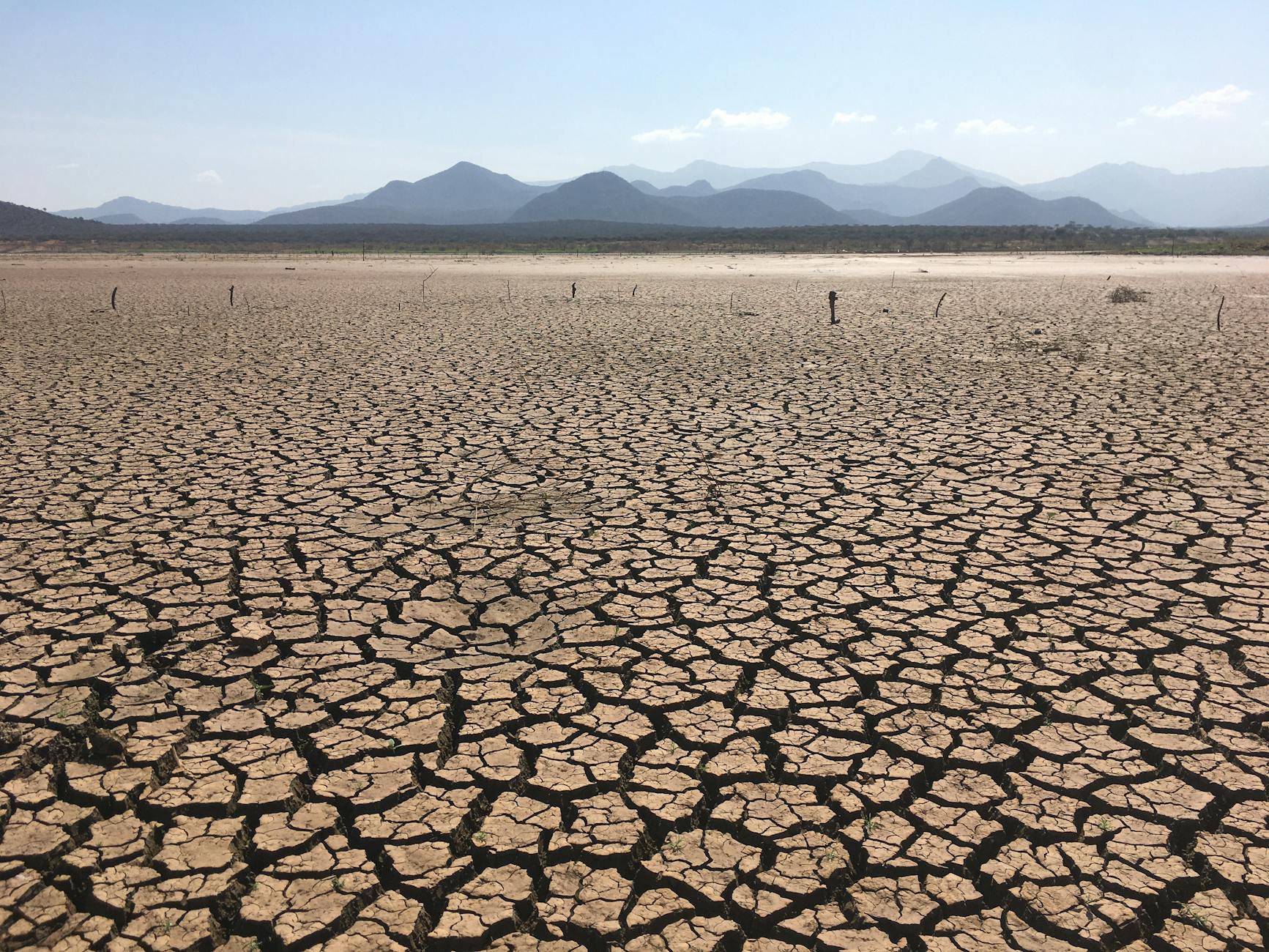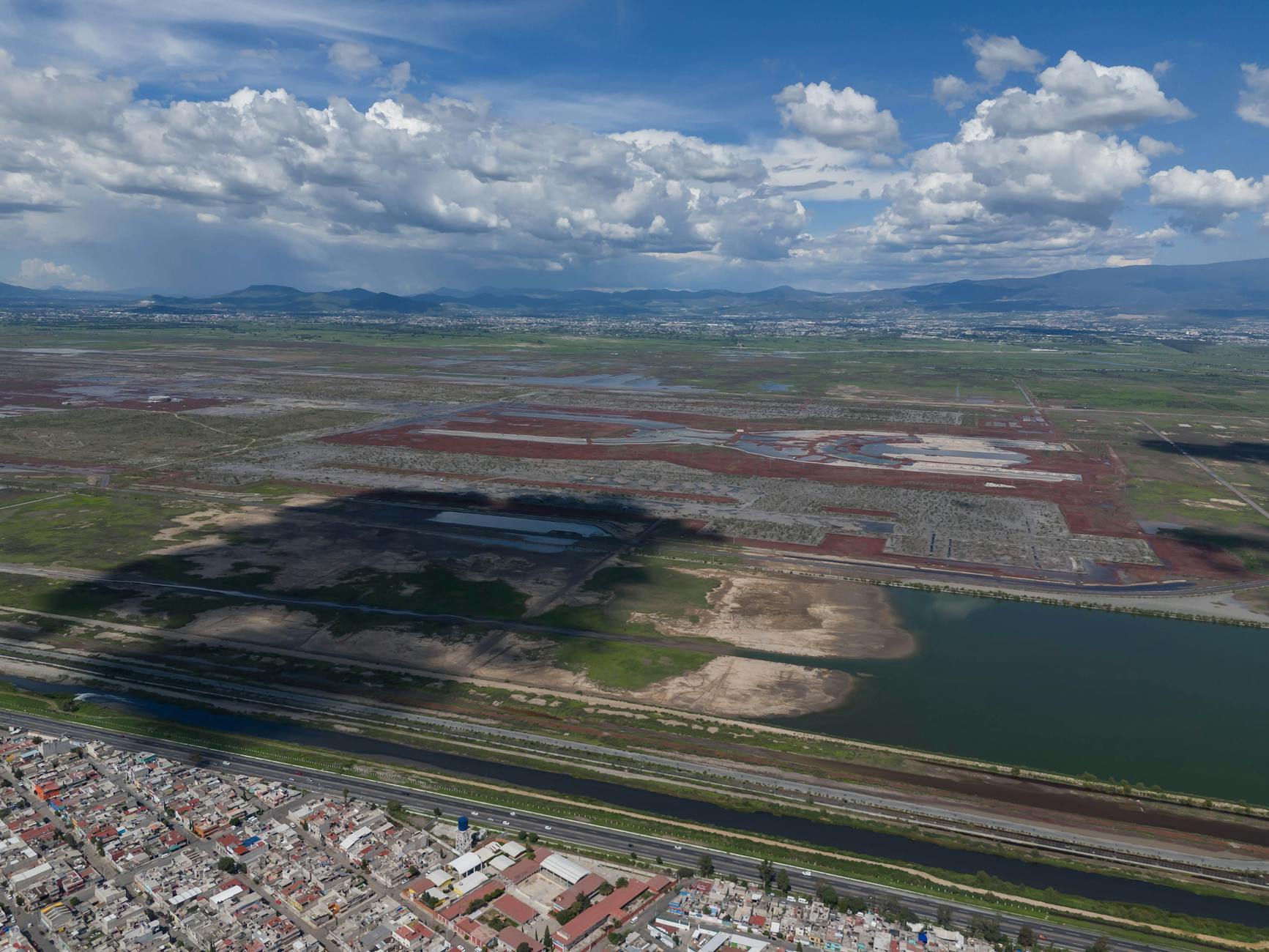
Mexico is bracing for a period of extreme weather as the El Niño phenomenon returns, bringing a combination of severe droughts, heatwaves, and more intense hurricanes, according to elfinanciero.com.mx.
Currently in a neutral phase, the phenomenon is expected to transition into a warm phase in the coming months. Climate models predict it will peak between September and October, with an intensity that could mirror the extreme conditions seen during the 1982-1983, 1997-1998, and 2015-2016 periods.
Francisco Estrada Porrúa, a member of UNAM's Climate Change Research Program, warned of the magnitude of this event. “It is highly probable that we will experience a phenomenon of moderate to high intensity, which could potentially be a historic event,” the researcher noted.
Climatic Contrasts and Risks in the Pacific
While the National Water Commission (Conagua) has urged the public to remain calm, arguing that such events have been faced before, specialists are warning of a pattern of extremes. Sea temperatures are expected to reach extraordinary levels, particularly off the coasts of California and Baja California.
This oceanic heat acts as fuel for cyclone formation. Consequently, the report forecasts increased tropical storm activity and the rapid intensification of hurricanes during the 2026 season.
In the north and central regions of the country, El Niño's history suggests drier months and reduced rainfall. However, recent research indicates that intense rainfall could also occur in very short bursts, triggering flash floods following prolonged dry spells.
Starting in July, Conagua projects that rainfall will decrease or fall below average in the northeast, central, eastern, southern, and southeastern regions of the country. Simultaneously, heatwaves could intensify, particularly in the northeast.
The transition toward El Niño is expected to be complete between May and July. Experts suggest that uncertainty regarding the true magnitude of the event will persist until the end of spring.