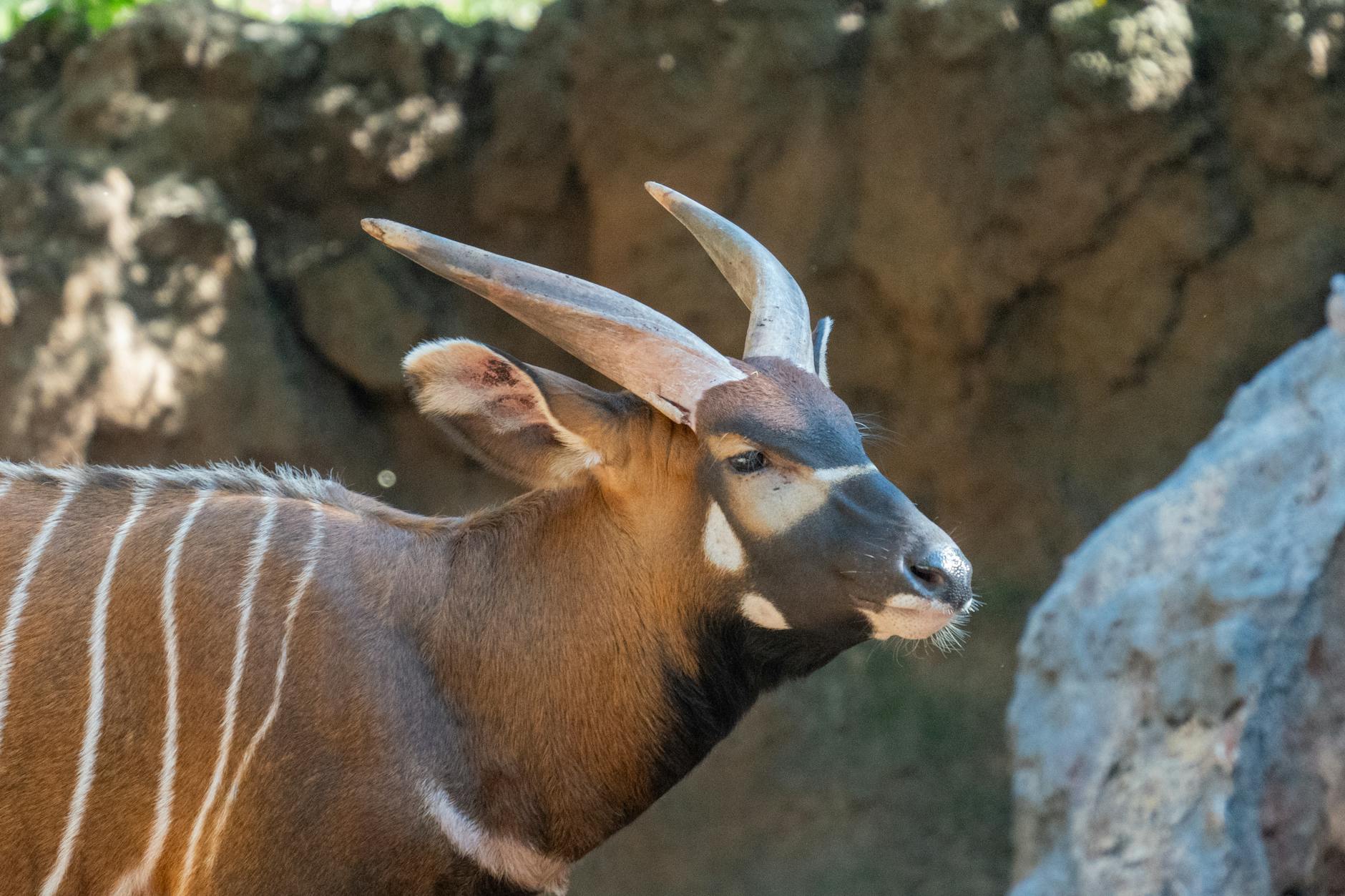
Four critically endangered mountain bongo antelopes arrived in Kenya on Tuesday night after being transported from a zoo in the Czech Republic. The arrival at Nairobi's main airport was met by Kenya's foreign and tourism ministers, along with other government officials.
The rare, stripe-patterned antelopes have since been moved to a private wildlife reserve in central Kenya. According to the Kenya Wildlife Service (KWS), the animals will undergo a period of acclimatization and monitoring at the Mount Kenya Wildlife Conservancy (MKWC) breeding programme.
This movement is part of a broader effort to rebuild a species that has seen its numbers plummet. While there were approximately 500 mountain bongos in the 1970s, KWS reports that fewer than 100 remain in the wild today.
A mission for species recovery
KWS Director-General Erustus Kanga described the arrival as a "moment of hope, responsibility, and renewed commitment to securing the future of one of the world's rarest large mammals," according to BBC World.
The species faces extreme pressure from poaching and disease. France24 reported that many of the animals were originally sent to Europe in the 1980s following a major rinderpest disease outbreak that killed thousands in the region.
Before being released into the wild, the bongos must pass through adaptation phases to build the necessary immunity for survival. The Prague Zoo stated that each animal will undergo detailed monitoring to ensure they are gradually integrated into the local ecosystem.
This repatriation follows other recent conservation efforts. BBC World noted that about 17 mountain bongos were returned to Kenya last year from the Rare Species Conservation Foundation in Florida. The first major repatriation of this kind occurred in 2004, when 18 animals were flown into the country.
While some populations exist in captivity, the scale of the threat remains high. The foundation mentioned by the BBC reports that roughly 400 mountain bongos are currently held in North American captivity, with others residing in European zoos.