Petróleos Mexicanos (Pemex) is looking to redefine its business model, moving beyond its identity as a traditional oil company to become a fully integrated energy enterprise, according to xataka.com.mx.
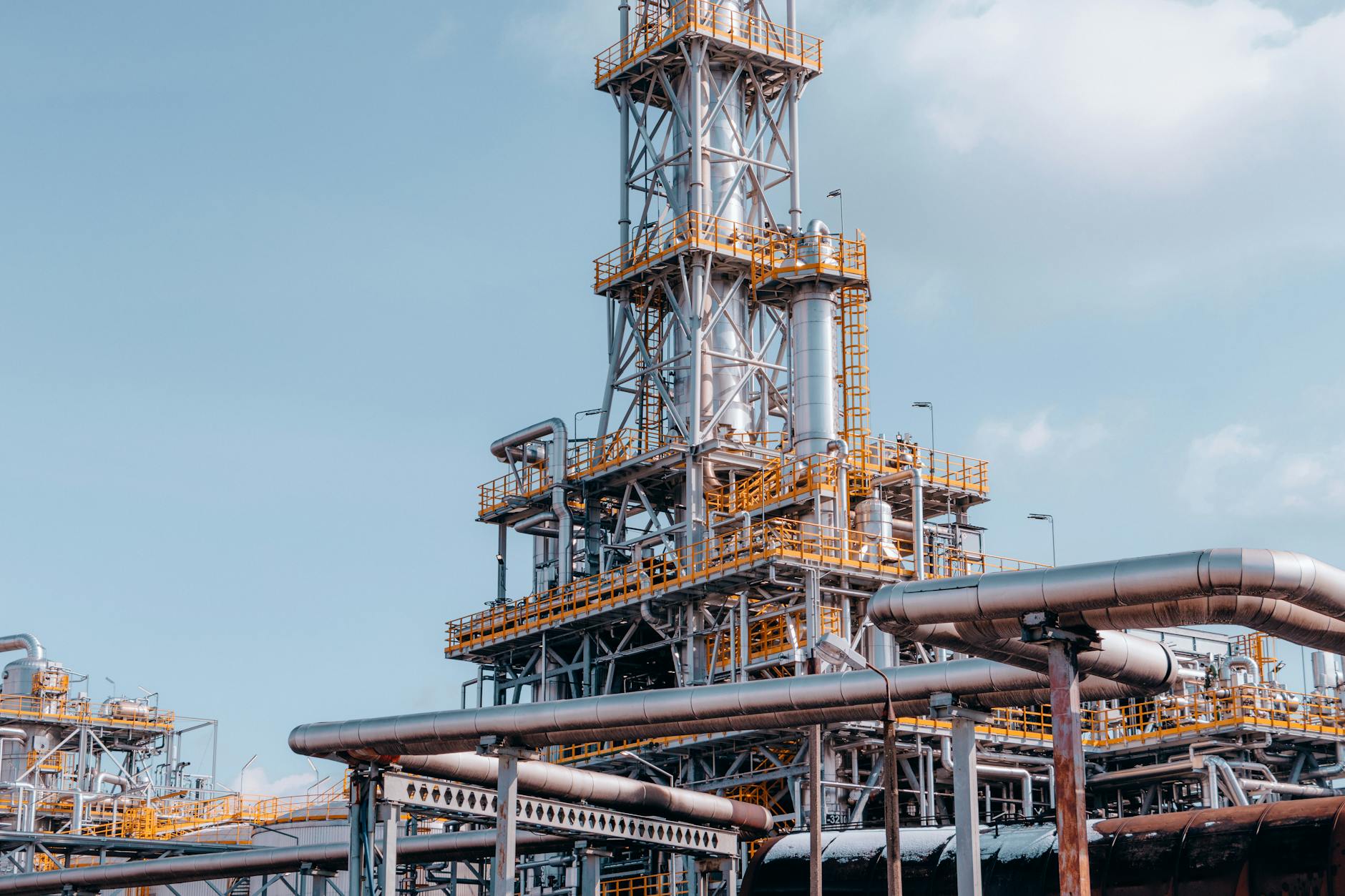
The strategy focuses on leveraging natural gas, modernizing refineries, and exploring unconventional resources through fracking. This pivot aligns with global trends toward energy transition and a reduced reliance on hydrocarbons.
The Petroleum Advisory Commission, led by engineer Cuauhemoc Cárdenas, is spearheading the design of this long-term strategy. Cárdenas noted that the industry must rethink its approach so that the company "can transition from being an oil entity to an energy entity, where it also contributes to addressing the negative effects of climate change."
Operational Deficiencies and Environmental Risks
Despite this new vision, the company faces sustained deterioration of its infrastructure. Between 2020 and 2025, Pemex recorded 3,951 spills throughout its operations—averaging nearly two incidents per day, according to data reported by El Universal.
Resource management also suffers from critical inefficiencies. According to information cited by Reforma, Pemex consumes or flares 42% of the natural gas it produces. This waste occurs at a time when Mexico's proven gas reserves are only sufficient for nine years at current extraction rates.
Gas production has also seen a drastic decline. In 2025, the company produced 2,313 million cubic feet per day, a figure 50% lower than levels recorded in 2011.
The situation is further compounded by a lack of maintenance on pipelines and platforms, as well as the widespread theft of fuel known as 'huachicol.' Recently, a leak in offshore infrastructure caused a spill in the Gulf of Mexico that affected the coasts of Veracruz, Tabasco, and Tamaulipas.
The financial viability of the project remains uncertain due to a debt load nearing $85 billion and outstanding payments to suppliers. Consultant Francisco Barnés de Castro warned Reforma that natural gas is the most vulnerable point for the country's energy security.
Barnés de Castro also pointed out that developing fracking projects will not yield immediate results, but rather mid-to-long-term benefits. The specialist maintains that Pemex lacks the financial capacity to execute these plans without entering into partnerships with the private sector.