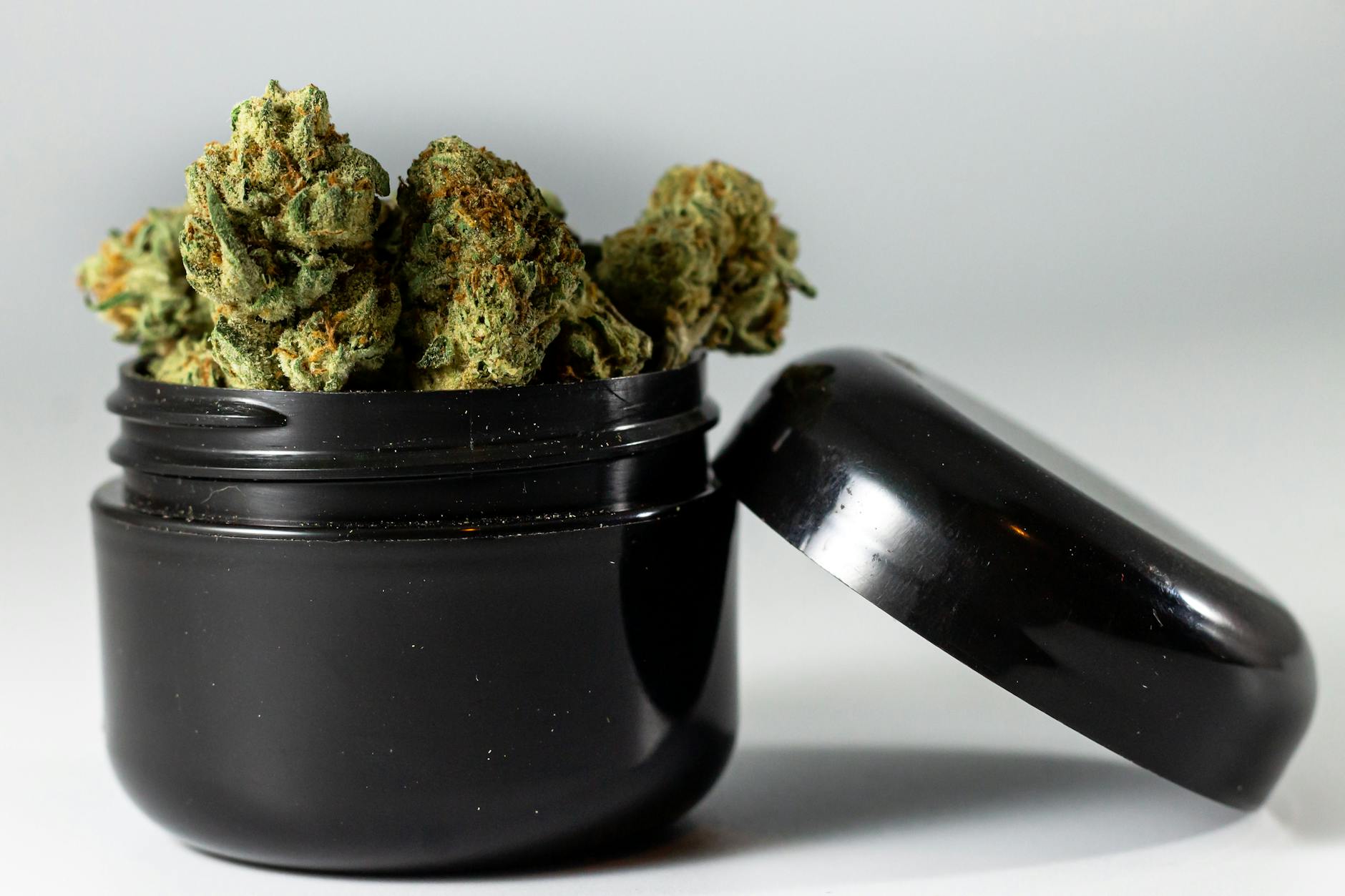
The United States has announced a plan to reclassify certain state-licensed medical marijuana products as a less dangerous drug, according to a report by Al Jazeera.
The Department of Justice clarified on Thursday that this change does not legalize recreational or medical marijuana under federal law. However, the move shifts certain products from the highly restrictive Schedule I category to Schedule III.
Under the federal government’s five-tier regulatory system, Schedule III substances are defined as having "a moderate to low potential for physical and psychological dependence."
Acting Attorney General Todd Blanche stated that the rescheduling action will facilitate easier access to medical data. "This rescheduling action allows for research on the safety and efficacy of this substance, ultimately providing patients with better care and doctors with more reliable information," Blanche said in a statement.
Research and legal landscape
Advocates for the change argue that the previous classification, which grouped marijuana with highly addictive drugs like heroin, contributed to disproportionate rates of arrest and incarceration. These groups also point to the potential medical benefits and the need for lower barriers to scientific research.
Blanche previously indicated that the U.'S government intends to fast-track a broader reclassification process, with official hearings scheduled to begin in June.
The policy shift follows an executive order issued by President Donald Trump in December, which called on the Justice Department to loosen restrictions. While his predecessor, Joe Biden, had taken similar steps toward reclassification, the process was not completed before his term ended in January 2025.
Public opinion and usage statistics suggest a significant shift in American attitudes toward the drug. The Centers for Disease Control and Prevention (CDC) found that one in five people in the U.S. reported using marijuana within the last year.
A 2024 poll by the Pew Research Center revealed that 57 percent of U.S. adults support legalizing marijuana for both recreational and medical purposes. Meanwhile, 32 percent support medical-only legality, and only 11 percent believe the drug should remain illegal.
Beyond the legal implications, the cannabis industry is seeing massive economic growth. Market researcher BDSA predicts that legal sales could reach $47 billion by 2026.