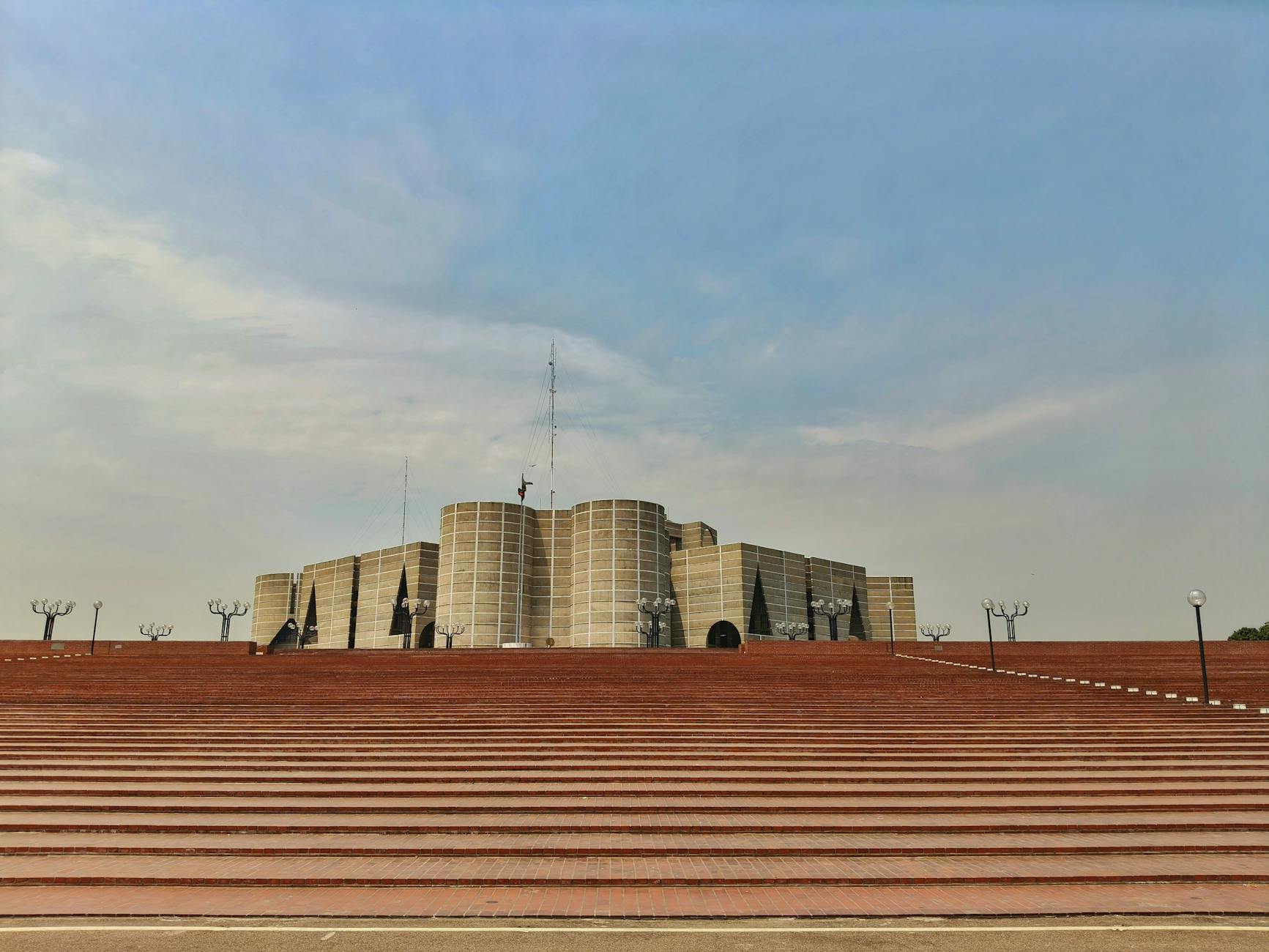
DHAKA, Bangladesh — Bangladesh’s parliament has cancelled or rolled back several reforms introduced following the 2024 student-led uprising, according to a report by Al Jazeera.
The recent legislative actions target measures intended to increase government and security force accountability. The moves have triggered concerns that the nation is backtracking on democratic gains made after the ouster of former Prime Minister Sheikh Hasina.
Dominated by the ruling Bangladesh Nationalist Party, which won the February elections, parliament recently reviewed a package of 133 ordinances. These ordinances were originally issued by the interim government led by Nobel Laureate Muhammad Yunus.
Al Jazeera reports that at least 23 of these measures—including critical provisions regarding human rights, judicial oversight, anti-corruption, and policing—have either been repealed or allowed to lapse. These laws failed to secure parliamentary approval within the required constitutional timeframe.
While the majority of the ordinances were approved, the lapsed measures were central to efforts to restructure institutions previously criticized for political interference and lack of transparency. Opposition parties, civil society groups, and analysts describe the move as a rollback of core safeguards.
A struggle for political direction
The current dispute stems from the July 2024 uprising. That student-led movement ended the Hasina administration following years of suppression of dissent and human rights abuses.
Following the government's fall, an interim administration took charge. This administration utilized the 'July National Charter,' a framework for reforms on judicial independence and decentralization. This charter was endorsed in a nationwide referendum alongside the February 2026 election with approximately 70 percent support.
Because the parliament was dissolved after Hasina’s ouster, the Yunus administration could not convert reform proposals into permanent laws. Instead, it relied on ordinances. Under the constitution, these must be approved or amended by parliament within 30 days of its first sitting.
Official data shows that of the 133 ordinances reviewed, 110 were approved. However, seven were formally repealed and 16 lapsed automatically. The government maintains it is conducting a necessary legislative review to correct flaws and reintroduce more robust laws through consultation.
The dispute has moved beyond the halls of parliament. Opposition alliances have organized protests and warned of a nationwide movement, as the debate reflects a deeper struggle over the direction of the country's political transition.