U.S. President Donald Trump announced an indefinite extension of the ceasefire with Iran on Tuesday, April 21, asserting that the Iranian leadership is "seriously fractured." The extension was intended to provide a window for negotiations, though officials confirmed that planned talks in Pakistan failed to materialize as negotiators did not arrive.
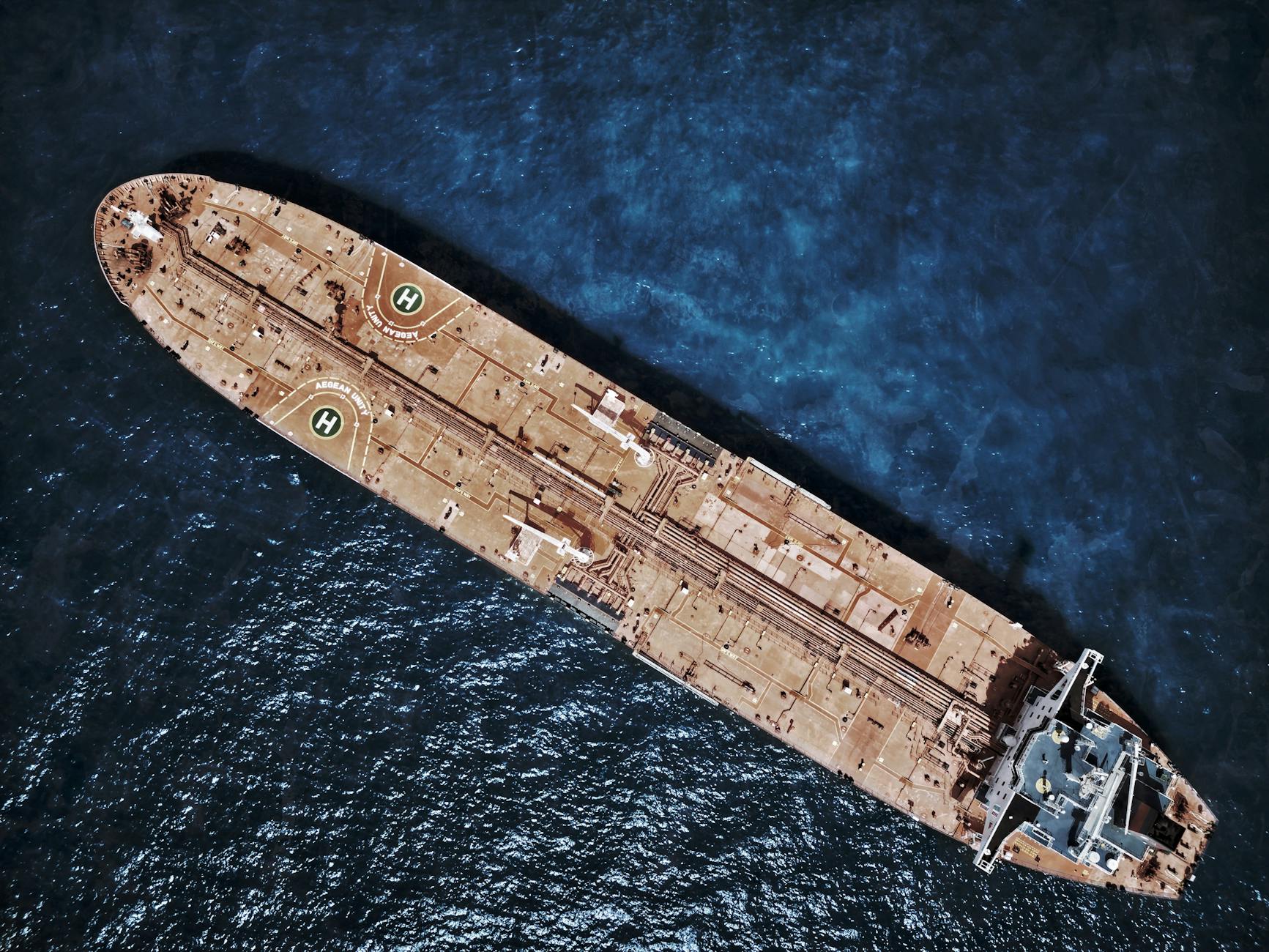
Despite the diplomatic pause, tensions escalated on the water. On Wednesday, April 22, Iranian forces seized two ships in the Strait of Hormuz, a critical maritime corridor that accounts for approximately 20 percent of global oil transit. According to France 24, these seizures occurred immediately following the U.S. decision to halt active military strikes.
Internal discourse within Tehran remains divided. While state media and security leadership signal readiness for a resumption of hostilities, Al Jazeera reports that other factions within the Iranian establishment are urging moderation. On the streets of Tehran, authorities organized military parades to coincide with the original ceasefire deadline, showcasing a Khorramshahr-4 ballistic missile in Enghelab Square and Ghadr missile launchers in Vanak Square.
During these displays, crowds chanted for Majid Mousavi, the aerospace chief of the Islamic Revolutionary Guard Corps (IRGC), to order further strikes against Israel. Religious singer Hossein Taheri addressed the demonstrators alongside a wounded veteran, questioning the status of the ceasefire and vowing that supporters would remain in the streets to "exact our revenge."
The geopolitical conflict has caused significant disruption to global energy markets. Data cited by Xataka Mexico indicates that the partial blockage of the Strait of Hormuz has removed over 500 million barrels of oil from the market in recent weeks, resulting in losses exceeding $50 billion. Analysts warn that there are no sufficient logistical alternatives to replace the volume of energy transiting this route.
This energy instability occurs as global demand for power surges due to the expansion of artificial intelligence. S&P Global estimates that electricity demand for data centers could climb from 460 TWh in 2022 to over 1,000 TWh by 2030, highlighting a growing reliance on physical energy sources in a digital economy.
Amid the war, Iran confirmed it is proceeding with plans to participate in the 2026 FIFA World Cup. Government spokesperson Fatemeh Mohajerani stated on Wednesday that the Ministry of Youth and Sports has finalized all necessary arrangements for the team’s participation in the tournament, which is co-hosted by the United States, Canada, and Mexico.
FIFA President Gianni Infantino addressed the logistical concerns on April 16, stating that the tournament should remain insulated from politics. "Iran has to come, they represent their people, they have qualified, the players want to play," Infantino said. Iran is scheduled to play its Group G matches in Los Angeles and Seattle, with the team’s base of operations currently designated for Tucson, Arizona.