Iran International: London TV Channel Defies Tehran's Media Blackout
Persian-language broadcaster Iran International operates from London as Tehran labels it a terrorist organization, providing Iranians crucial access to independent news.
Iran International: London TV Channel Defies Tehran's Media Blackout
Publicidad
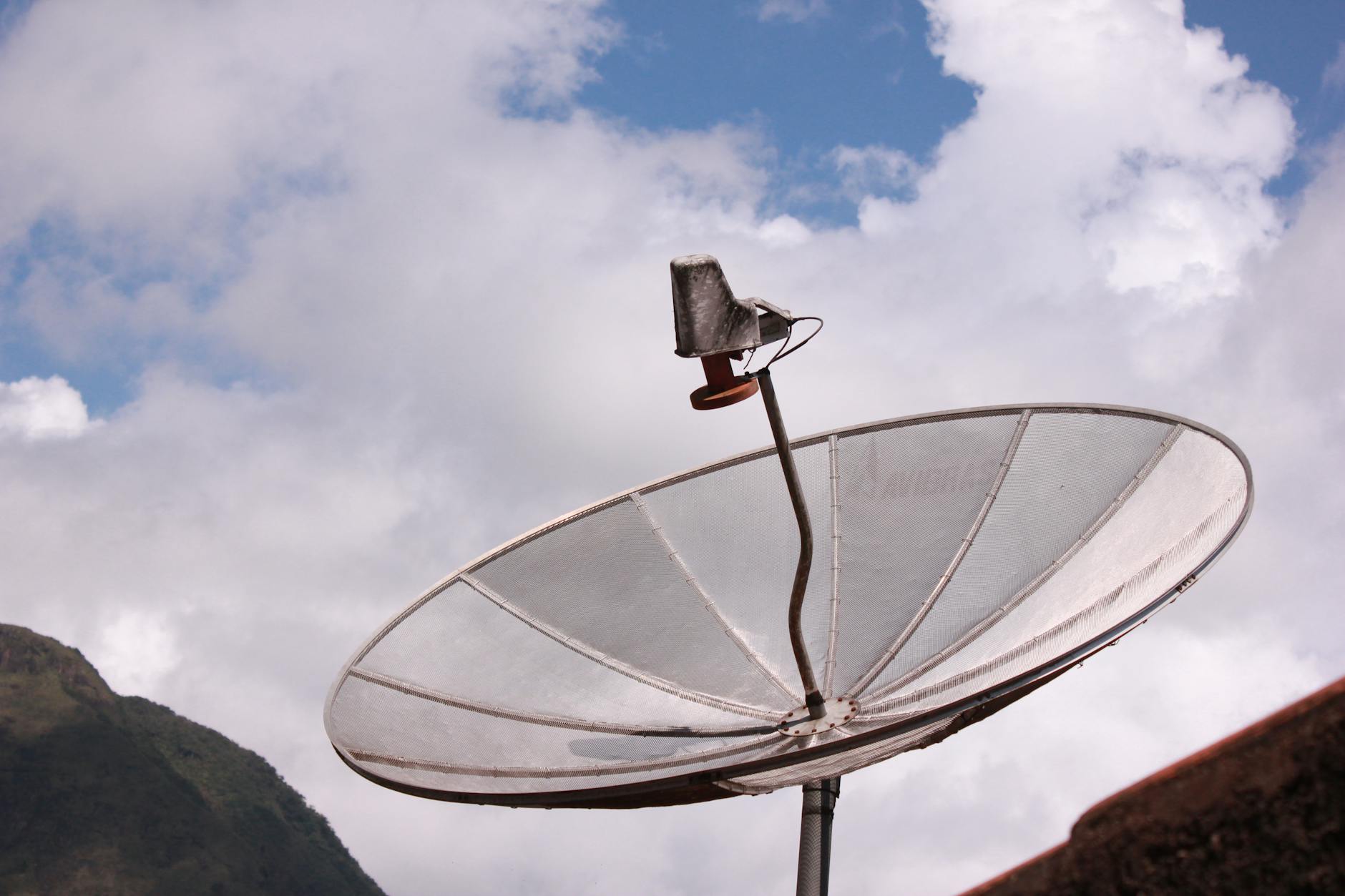
A London-based Persian television channel has emerged as a critical lifeline for information-starved Iranians, operating under the constant threat of Iranian government retaliation and international scrutiny.Iran International, a privately-funded Persian-language news network established in 2017, has positioned itself as an independent voice amid Iran's tightly controlled media landscape. The channel broadcasts via satellite and reaches Iranian audiences through virtual private networks (VPNs), circumventing the Islamic Republic's extensive internet censorship apparatus.Tehran has escalated its response to the broadcaster's operations, officially designating Iran International as a terrorist organization—a move that underscores the Iranian government's sensitivity to external media influence during periods of domestic unrest.The channel's significance has grown substantially since nationwide protests erupted across Iran, triggered by the death of 22-year-old Mahsa Amini in police custody in September 2022. Iranian authorities have systematically restricted information flow, making international broadcasters like Iran International essential sources for both domestic audiences and global observers seeking to understand developments inside the country.Operating from London provides the network with legal protections unavailable in many regional jurisdictions, though it also places the organization and its staff under potential security risks from Iranian intelligence operations abroad. The UK has previously expelled Iranian diplomats over alleged plots targeting opposition media figures.The broadcaster's model reflects broader geopolitical tensions surrounding information warfare and media influence in the Middle East, where state-controlled narratives increasingly compete with diaspora-funded independent outlets for audience attention and credibility.Iran International's operations highlight the evolving dynamics of transnational media in authoritarian contexts, where satellite technology and digital circumvention tools enable information flows that traditional state censorship cannot fully control.Based on reporting by France 24's Selina Sykes.