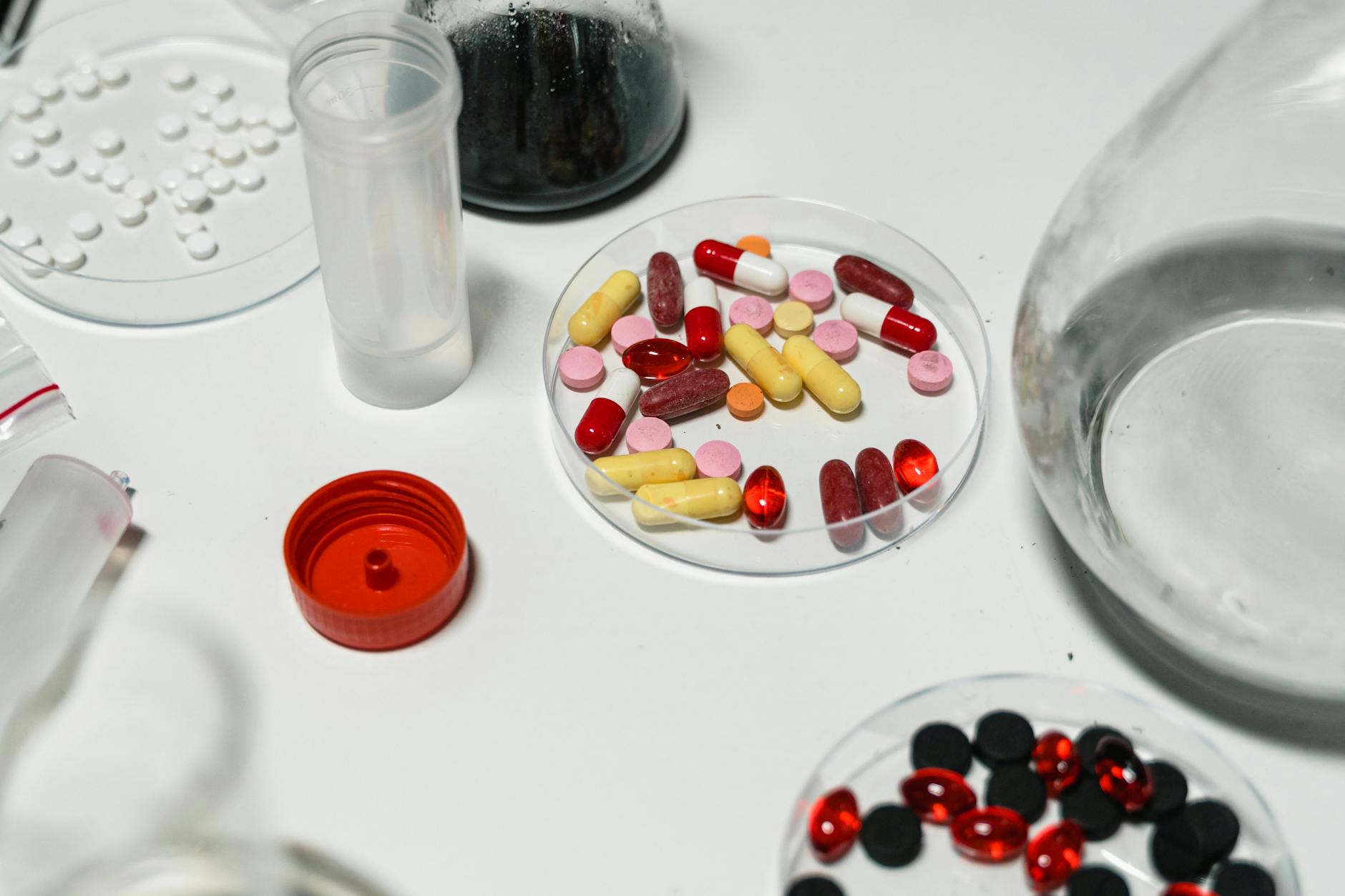
A criminal enterprise dedicated to the import, manufacture, and distribution of counterfeit pharmaceuticals has infiltrated Mexico's public health system. Complaints regarding allegedly fake medications filed with the Federal Commission for Protection against Sanitary Risks (Cofepris) rose from 45 in 2018 to more than 250 in 2022.
This phenomenon is unfolding alongside widespread medical supply shortages within the national healthcare sector. Official health alerts—which flag products posing a severe risk to health—have also skyrocketed, jumping from just two reports in 2018 to over 30 annually since 2022.
The Keytruda case and its aftermath
The oncology drug Keytruda, produced by the pharmaceutical company Merck Sharp & Dohme, is among the most impacted. While a single vial costs nearly 100,000 pesos in legitimate pharmacies, it is being sold for just 30,000 pesos on the black market.
Francisco Chávez, a patient from Yucatán, received doses from this counterfeit batch at the Elvia Carrillo Puerto Regional Hospital. Following the administration, Chávez suffered from tremors, intense headaches, and loss of mobility.
“I felt terrible, just awful; I was shaking and couldn't control my body,” the patient recounted, identifying batch X003479 as one of the 17 counterfeit batches detected.
Investigations reveal that the first alert regarding Keytruda was recorded in February 2022, after counterfeit material was detected at the Naval Medical Center. The supplier, Top Pharma SA de CV, has secured approximately 88 public contracts worth 85 million pesos since 2022.
Industry experts have identified two primary methods used in these crimes: classic piracy through the smuggling of products that fail to meet sanitary standards, and the adulteration of genuine medications that have either expired or been tampered with.