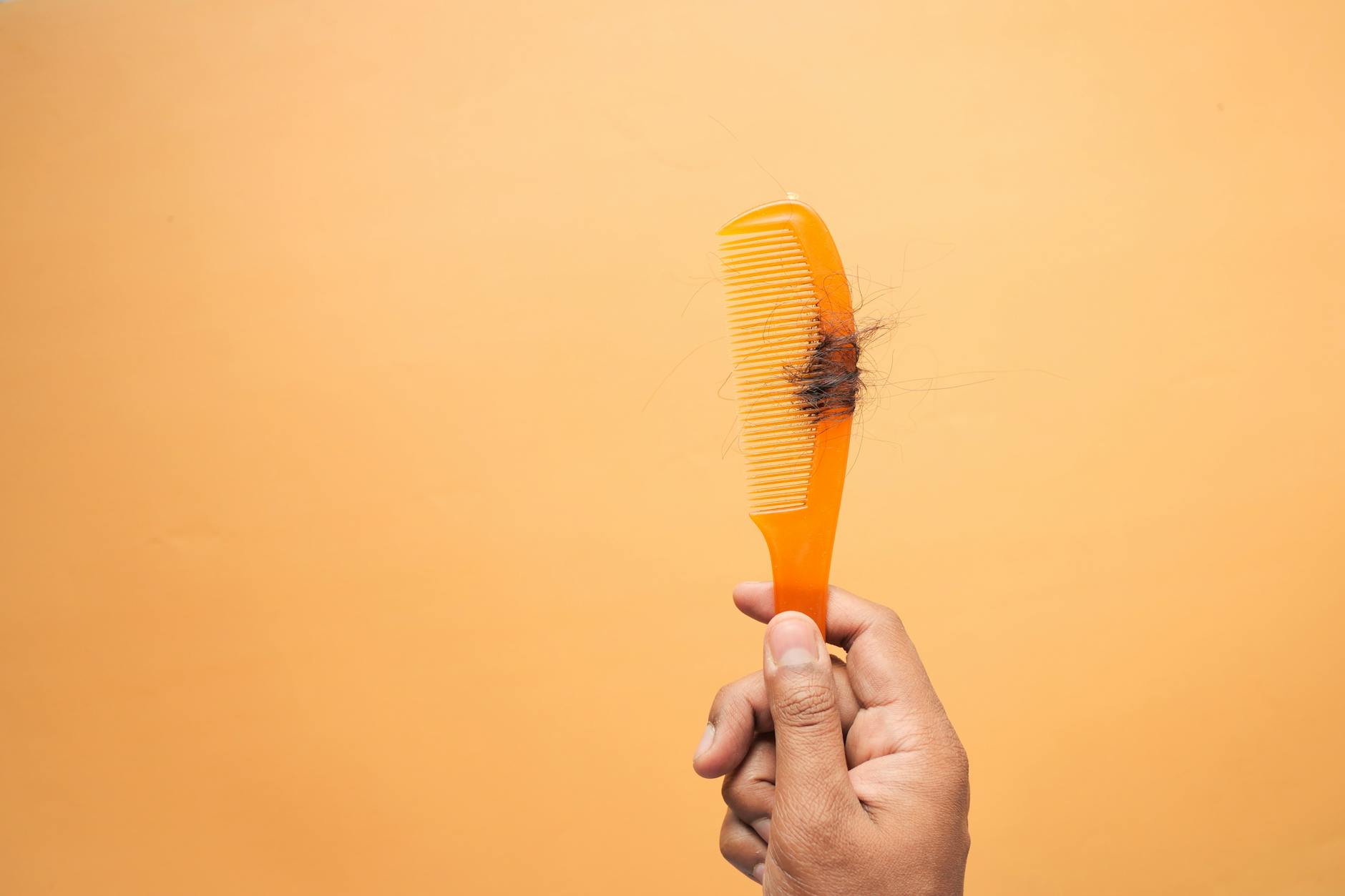
Chile ranks third in Latin America for the number of men suffering from alopecia, according to recent data from the global platform Medihair. Projections for 2025 place the country 28th in the world regarding this condition.
Hair loss affects 81% of the Chilean population, with higher incidence rates among women and individuals over the age of 55. This trend has led to a surge in the number of specialized clinics and the promotion of various treatments across social media.
Gabriel Aedo, a dermatologist and professor at the University of Santiago, explained that these procedures involve the redistribution of hair follicles. The process entails extracting follicles from donor areas and transplanting them into thinning or bald patches.
Techniques and risks of the procedure
There are two primary methods: the FUE technique and the FUT technique. The former, which is the most widely used in the country, involves extracting individual follicles using a micro-motor for subsequent implantation.
On the other hand, the FUT technique—often referred to as "strip grafting"—requires removing a strip of skin from the occipital area to separate the follicles individually. According to Aedo, the procedure can take anywhere from six to twelve hours.
The specialist warned that the success of a transplant depends on complementary treatment. "If we perform a hair transplant without medication, the patient is likely destined for failure," the expert noted.
Associated risks include infection, scarring issues, or an unnatural aesthetic result. Aedo emphasized that hair loss is caused by the enzyme 5-alpha reductase, making the management of this substance essential.
For women, the procedure is typically performed with long hair to avoid impacting their quality of life. The dermatologist recommended undergoing these surgeries only after the age of 25, when androgenetic alopecia is more stable.