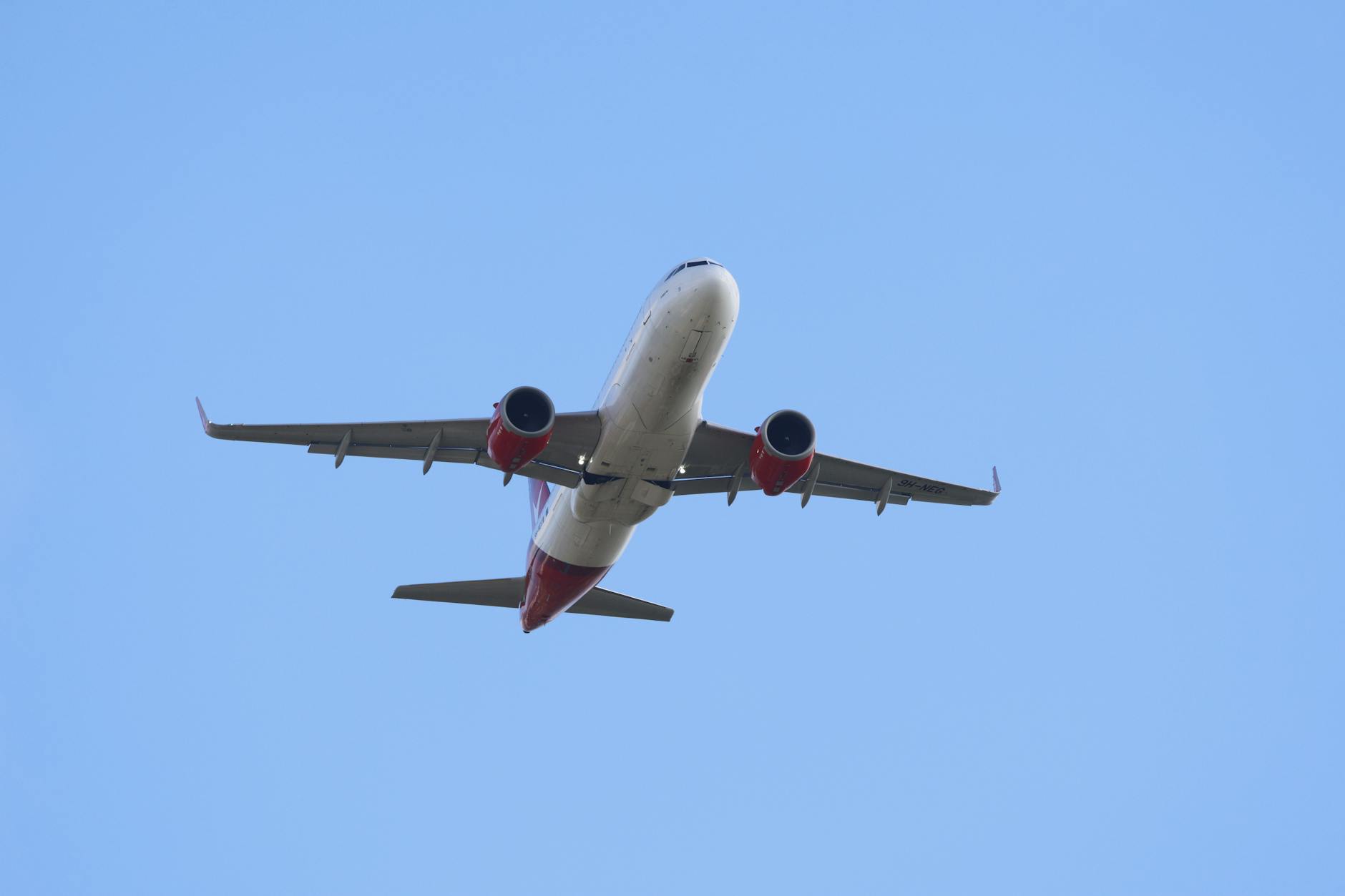
Major U.S. airlines have begun cutting their 2026 financial forecasts as escalating warfare in the Middle East and disruptions in the Strait of Hormuz drive up jet fuel prices, according to biobiochile.cl.
United Airlines issued the first major warning this week, announcing a reduction in capacity and adjustments to its route network. The carrier reported that fuel expenses rose by $300 million in the first quarter compared to the previous year.
United expects the average price of a gallon of kerosene to reach $4.30 in the second quarter, roughly equivalent to $180 per barrel. Prior to the current Middle East conflict, U.S. aviation fuel prices hovered between $2.10 and $2.20 per gallon.
United Airlines CEO Scott Kirby stated the company will maintain a "prudent" short-term strategy to contain costs, though he defended the airline's overall financial stability.
American Airlines followed suit days later, revising its 2026 profit expectations downward. The company warned of fuel-related cost increases exceeding $4 billion.
American Airlines CEO Robert Isom said the company will react quickly by "adapting the flight offering if necessary."
Vulnerability to market shifts
While the U.S. holds a stronger position than Europe or Asia due to its oil production and refining capacity, major domestic carriers are struggling with shrinking margins. This vulnerability stems from a lack of long-term hedging instruments compared to their international counterparts.
Antonio Jesús García Amate, a professor at UNIE Universidad, told Agencia EFE that U.S. airlines are more exposed to sudden market spikes because they rarely use protection mechanisms to secure long-term costs.
"That lack of protection has left them especially vulnerable," García Amate said. He added that rising fuel costs eliminate much of the expected profit and force a complete rethinking of annual planning.
Low-cost carriers face even higher risks because they operate on thinner margins and have less capital to absorb shocks. According to The New York Times, Spirit Airlines is currently negotiating a federal rescue of up to $500 million to avoid liquidation during its second bankruptcy in two years.
The divergence between profitable carriers like Delta and struggling airlines has reignited discussions regarding industry mergers. However, American Airlines has dismissed any interest in a merger with United, calling such a move "negative for competition and consumers."
CNBC reported that rising fuel costs threaten the upcoming summer peak season and could lead to higher passenger fares. While analysts suggest the U.S. faces no immediate risk of physical fuel shortages due to its status as a major exporter, the immediate impact on travelers involves more expensive tickets and reduced service on secondary routes.