Flight capacity from the United States to Mexico is expected to drop by 10% over the next three months, according to a report by elfinanciero.com.mx. This reduction is a response to skyrocketing global jet fuel prices, rising insecurity within Mexico, and softening passenger demand.
U.S. airlines have begun scaling back capacity and temporarily suspending certain routes to mitigate the impact of rising operating costs. This adjustment primarily affects the May-to-July period, a season that encompasses the start of summer and the anticipation surrounding the upcoming FIFA World Cup in North America.
Delta Airlines, a major global carrier, announced flight reductions to key destinations including Cancun, Los Cabos, Mexico City, and Puerto Vallarta. The company is looking to optimize its financial resources as global jet fuel prices have doubled.
“What has really been affecting us is tourism in Mexico, as we’ve previously noted, but we have reduced that capacity very quickly following recent events (of violence), and that capacity will remain low for the foreseeable future. We have seen a slight weakness in Mexican tourism due to incidents in Puerto Vallarta, and we have taken capacity measures there,” said Joe Esposito, Delta’s commercial director.
The impact is particularly severe at Cancun Airport, which is seeing the largest contraction in available seat miles as North American airlines pull back. Spirit Airlines has also cut its capacity to this major tourist destination.
Domestic Market Outlook
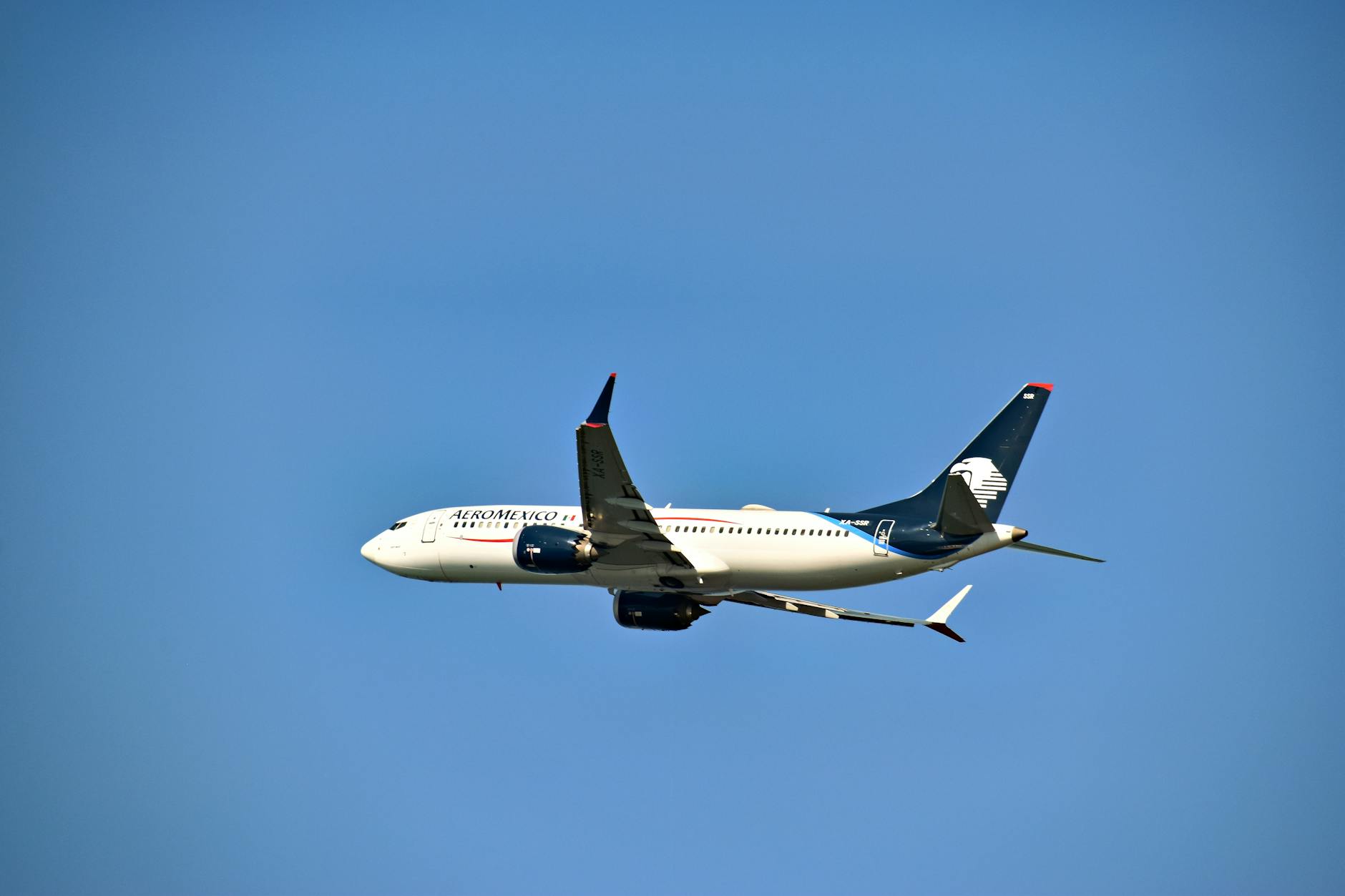
Within the domestic market, the trend is mixed. Aeroméxico and Volaris have adopted strategies to adjust capacity on low-profitability routes to focus on more lucrative markets, such as the United States and Europe. These carriers have also increased ticket prices and ancillary service fees.
On average, seat capacity in the domestic market is expected to grow by 2% during the May-to-July quarter. However, Viva Aerobus presents a different outlook, with a projected capacity decline of between 1% and 3%.
The Center-North Airport Group (AICNA) noted that while U.S. demand showed signs of weakness in the first quarter, the industrial boom in Monterrey is helping to offset some of this decline. Consequently, terminals such as Monterrey and Guadalajara are expected to see a 10% increase in seat capacity.
In contrast, Mexico City International Airport (AICM) will see only a marginal 2% increase in capacity, despite the cuts announced by Delta on its Los Angeles route. The national aviation sector now faces a landscape of rising fares driven by the pressure of soaring fuel costs.