Modern food supply chains are increasingly vulnerable to digital breakdowns that turn perfectly good food into waste. When automated databases fail to "recognize" a shipment, the goods cannot be legally sold, insured, or distributed, regardless of their physical availability.
This reliance on digital verification has turned software into a single point of failure for global food security. According to research from The Conversation, grocery stores may appear fully stocked while the backend systems managing their inventory remain paralyzed by technical glitches.
The high cost of automation
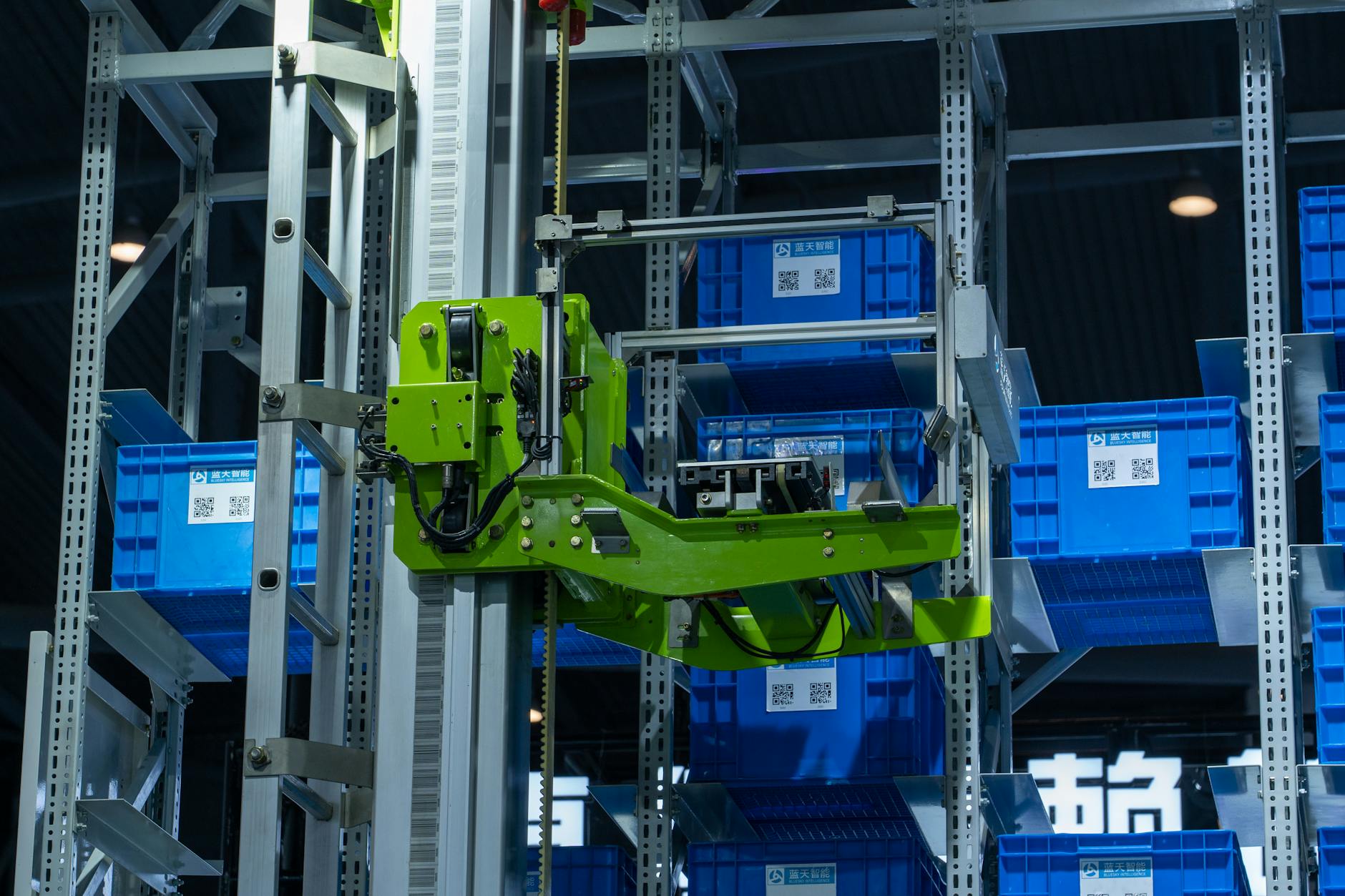
Automated systems now handle most of the heavy lifting in food logistics, from forecasting demand to tracking inventory. While these tools improve efficiency in "just-in-time" delivery models, they have largely replaced manual oversight. Businesses have systematically phased out human-led backup procedures to cut costs, leaving few employees trained to intervene when software fails.
Recent cyberattacks on major distribution networks in the United States and the 2021 ransomware attack on JBS Foods demonstrate the severity of this shift. During the JBS incident, meat processing operations ground to a halt despite the presence of available livestock and workers. While some farmers attempted to manually override these systems, the lack of standardized protocols meant many disruptions persisted.
Experts warn that the trend toward opaque, algorithmic decision-making creates a dangerous gap in supply chain resilience. Because these systems are often difficult to challenge or explain, control has shifted from human judgment to software that cannot easily be questioned.
This problem is exacerbated by ongoing labor shortages across the transport and warehousing sectors. Even when technical systems are restored, companies frequently lack the personnel required to restart operations manually. As a result, food that is not verified by a digital platform effectively becomes unusable waste.
Research indicates that this digital dependence is now a primary weakness in the UK food system. With automated processes embedded at every stage from farm to supermarket, the margin for error has vanished. Without human-managed backups or the ability to override faulty digital data, the global supply chain remains at the mercy of its own software.