Companies operating in Mexico are bracing for a new logistical landscape as the country prepares for a second wave of nearshoring in 2027. The USMCA review, scheduled for July 2026, will serve as the primary catalyst for a fresh surge of industrial relocation projects.
The automotive, electronics, and medical device sectors are already poised to launch operations. Once the agreement stabilizes, the capital currently sitting on the sidelines will urgently seek available industrial land.
This cycle differs fundamentally from the initial wave: rules of origin are now stricter. The USMCA requires that 75% of a vehicle's components be manufactured within the region to qualify for duty-free market access. This immediate requirement is forcing suppliers to establish local operations rapidly.
The Urgency of Local Infrastructure
The auto parts sector could absorb nearly 40% of these new nearshoring projects. However, the industry faces a critical bottleneck: a lack of local capacity in mold and die manufacturing.
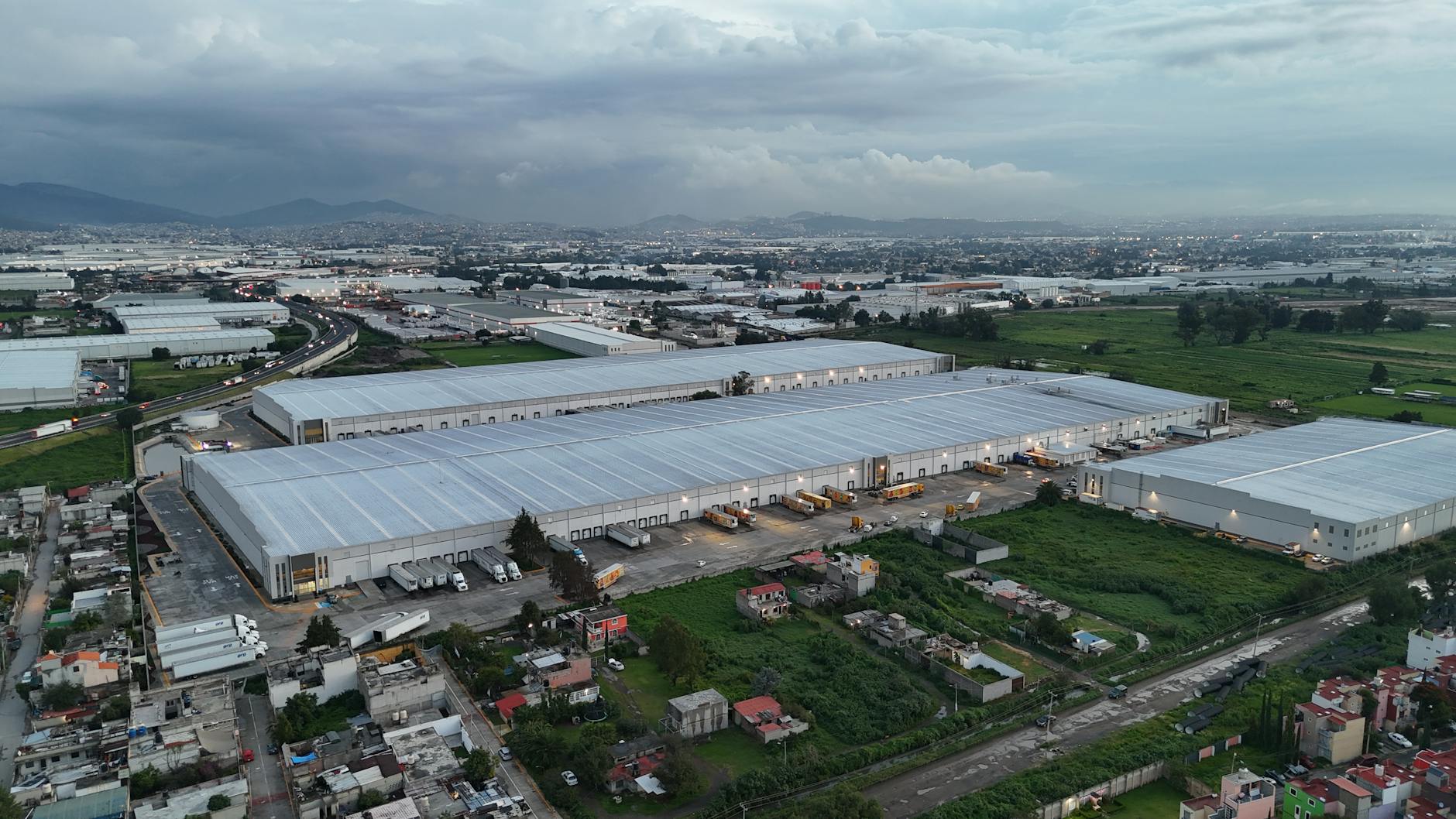
Experts recommend prioritizing locations within the strategic corridors of Querétaro, Guanajuato, San Luis Potosí, and Nuevo León. These regions boast the highest density of industrial parks with the energy infrastructure and logistical connectivity necessary to meet new regional content requirements.
Diversifying the origin of components will define a company's export capacity in the coming years. Those that fail to integrate local suppliers will find themselves excluded from the automotive value chain.
In parallel, the Mexican government is pushing forward with the forced digitalization of national logistics. The mandatory implementation of the SAT’s 'Complemento Carta Porte 3.0' marks the end of the analog era in freight transport.
This filing is no longer just an administrative choice; it is an essential operational requirement. Fiscal compliance and document traceability have become the operational foundation for any serious company aiming to compete in the new industrial environment.
As FedEx founder Fred Smith once noted: "The supply chain is not just about moving boxes; it is about moving information." With this in mind, logistical efficiency will depend as much on the physical location of plants as it does on a company's ability to manage data under new tax regulations.