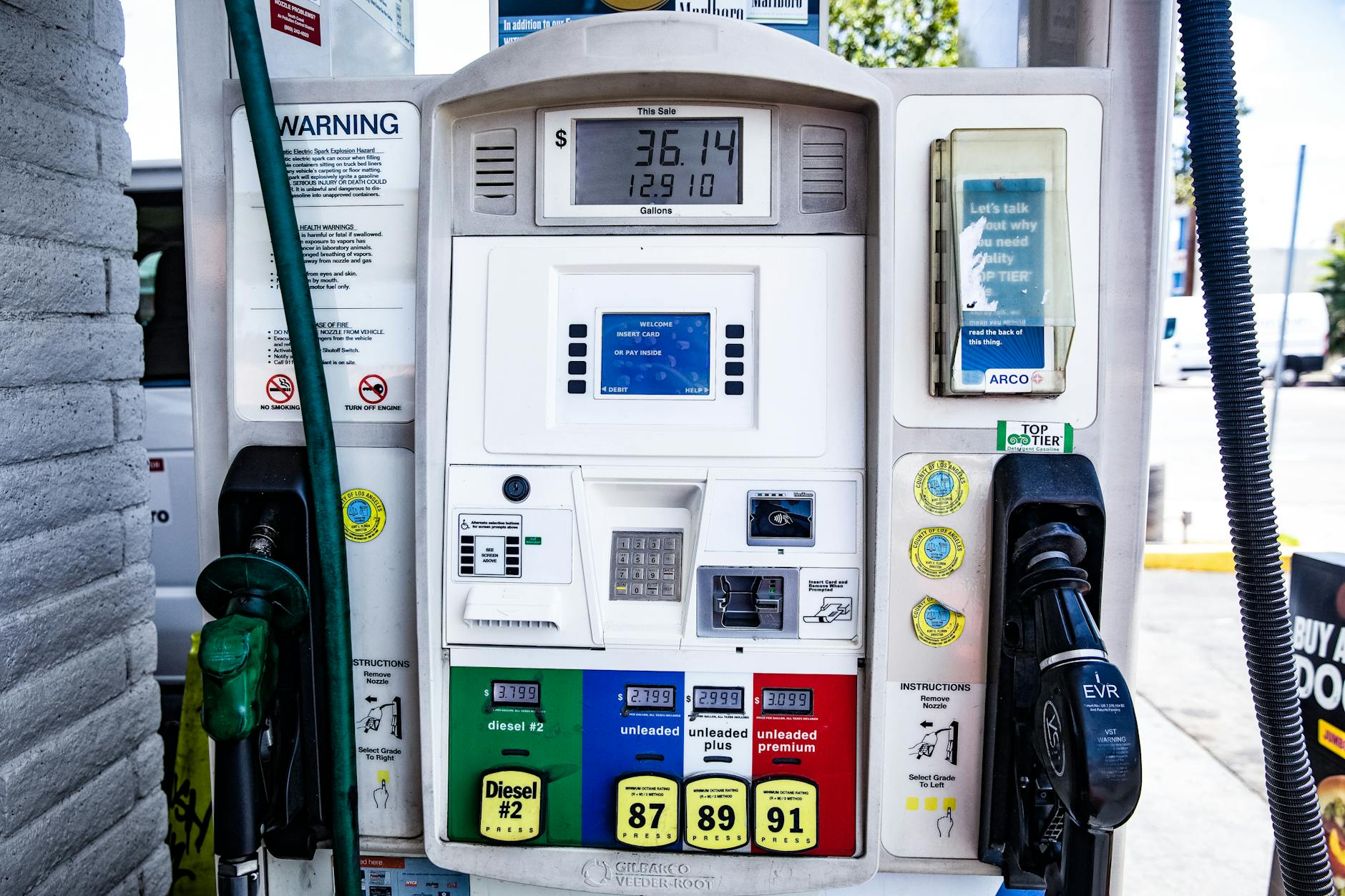
The cost of transporting goods across the United States has surged as diesel prices hit $5.62 per gallon, a 49% increase linked to global energy volatility from the war in Iran. Because trucks move 72% of all domestic freight by weight, the price hike is forcing businesses to pass costs directly to consumers.
Mike Castellano, who operates a plumbing supply business in eastern Pennsylvania, said the fuel surge has effectively crippled his delivery margins. "When diesel jumped... my cost to deliver a toilet to a job site rose by $38," Castellano said. He has since raised his prices, forcing contractors and homeowners to cancel projects.
The construction and supply chain impact
The construction industry is facing some of the most immediate pressure. The National Association of Home Builders reported that new home construction costs jumped 8% in March alone, primarily due to transportation and material delivery surcharges. For a standard $400,000 home, that increase adds roughly $32,000 to the final purchase price, pricing many first-time buyers out of the market.
The cost increases extend well beyond housing. Grocery items, which travel an average of 1,500 miles from farm to shelf, are seeing price adjustments as retailers struggle to absorb higher transit costs. Major logistics firms, including Amazon, FedEx, and UPS, have already implemented or increased fuel surcharges to offset the expense.
Small businesses are bearing the brunt of the crisis. While large corporations often hedge fuel costs with long-term futures contracts, local operators pay the fluctuating price at the pump. According to the Small Business Administration (SBA), emergency loan applications climbed 22% in March compared to the previous month, with most owners citing transportation expenses as the primary driver for their financial strain.
Even with a potential ceasefire in the Middle East, economists warn that the price environment will remain elevated. Freight contracts often contain "sticky" surcharges that do not disappear immediately when oil prices dip. The 39-day conflict has left a backlog of costs that will likely impact consumer prices and business operations for months to come.