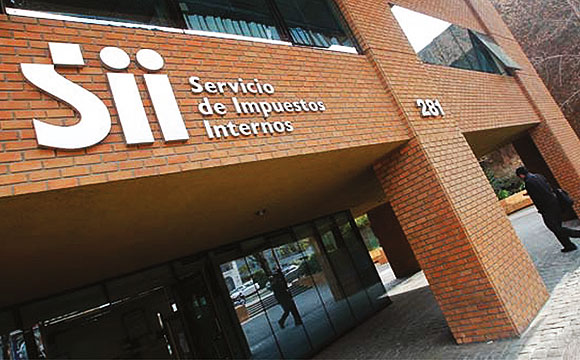
Chilean independent workers entering the 2026 tax filing season, known as Operación Renta, are finding smaller-than-expected refunds or no reimbursement at all. The phenomenon stems from a government policy that directs a growing percentage of tax withholdings toward mandatory social security obligations.
Since 2019, the portion of withheld earnings required for social security has increased annually. These funds are now automatically diverted to cover pension contributions, health insurance, and disability and survivorship insurance.
“One of the main mistakes is assuming the refund will be equivalent to the amount withheld,” said Camila Cárdenas, director of litigation and partner at SoyHonorario. “In practice, that money is first used to cover social security contributions, so the final amount can be considerably lower or even zero.”
Why refunds disappear
Tax refunds may be reduced or eliminated entirely if mandatory contributions consume the entirety of the withheld amount. This is particularly common for workers who opt for full coverage or those whose income levels trigger higher social security obligations.
Beyond social security, the Treasury may withhold refunds due to outstanding personal debts. Common triggers include unpaid child support, delinquent university loans, health-related debts, or outstanding judicial mandates. Incorrect banking information can also delay or block the transfer of funds.
Cárdenas warns that taxpayers frequently accept the Chilean Internal Revenue Service's (SII) initial proposal without conducting a thorough audit. The SII proposal often contains inaccuracies or missing information that the individual taxpayer is responsible for correcting before submission.
“It is essential to review the SII proposal before accepting it,” Cárdenas said. “Many times it contains inconsistencies or incomplete information that can harm the taxpayer. The final responsibility always rests with the person, not the system.”
To mitigate the risk of financial loss or potential penalties, workers should verify that all professional fee receipts are registered correctly. Taxpayers must also ensure that their income declarations match issued receipts and that their personal data for pension and health providers is up to date.
Despite the immediate frustration of smaller cash returns, officials maintain that these deductions are critical for long-term financial security. The contributions ensure that independent workers retain access to essential social protections, including health coverage, medical leave, and the accumulation of future pension savings.