Ride-hailing drivers operating at Mexico City International Airport (AICM) face a precarious legal landscape as federal authorities continue to seize vehicles and levy fines reaching 59,000 pesos. The crackdown persists even as some drivers present federal injunctions intended to protect their right to operate.
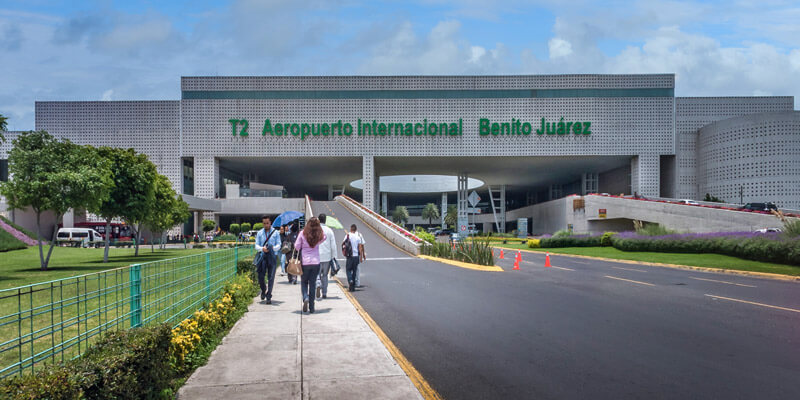
Oswaldo Hernández, a driver with nearly a decade of experience, recently learned the high cost of this enforcement. While picking up passengers at Terminal 2, National Guard agents stopped his vehicle, citing a supposed traffic violation before pivoting to the fact that he was working for a platform.
Despite Hernández presenting the legal documentation provided by Uber, authorities seized his car. The subsequent process proved costly and opaque. The fine exceeded 59,000 pesos, but bureaucratic delays prevented the issuance of the necessary payment receipt, effectively trapping his vehicle in an impound lot.
"The problem grew because the authority took several days to upload the payment line," Hernández told El Financiero. For independent contractors, every day without a vehicle results in lost income and mounting pressure. His attempts to resolve the issue through official channels were met with conflicting information, including suggestions to make deposits via WhatsApp.
Dialogue opens ahead of 2026 World Cup
The federal government, the Ministry of Infrastructure, Communications and Transportation (SICT), and the Ministry of the Interior have begun formal talks with ride-hailing companies to establish clear operational rules for airports. The goal is to create a level playing field between traditional taxis and digital platforms.
Uber maintains that it provides legal support for its drivers, including the review of files and coverage of costs associated with vehicle impoundment. However, the company notes that the efficiency of the process remains contingent on the National Guard releasing the payment documentation required to reclaim vehicles.
Time is a critical factor for both sides of the negotiation. With the 2026 World Cup arriving in less than 80 days, the airport is expected to handle a massive influx of international travelers. Stakeholders warn that a definitive resolution is needed immediately to ensure airport access and safety without leaving drivers vulnerable to arbitrary enforcement.
Platform representatives argue that the current system creates unnecessary friction for users and drivers alike. They are pressing for a swift regulatory framework that clarifies the status of app-based transportation at federal facilities before the tournament begins.