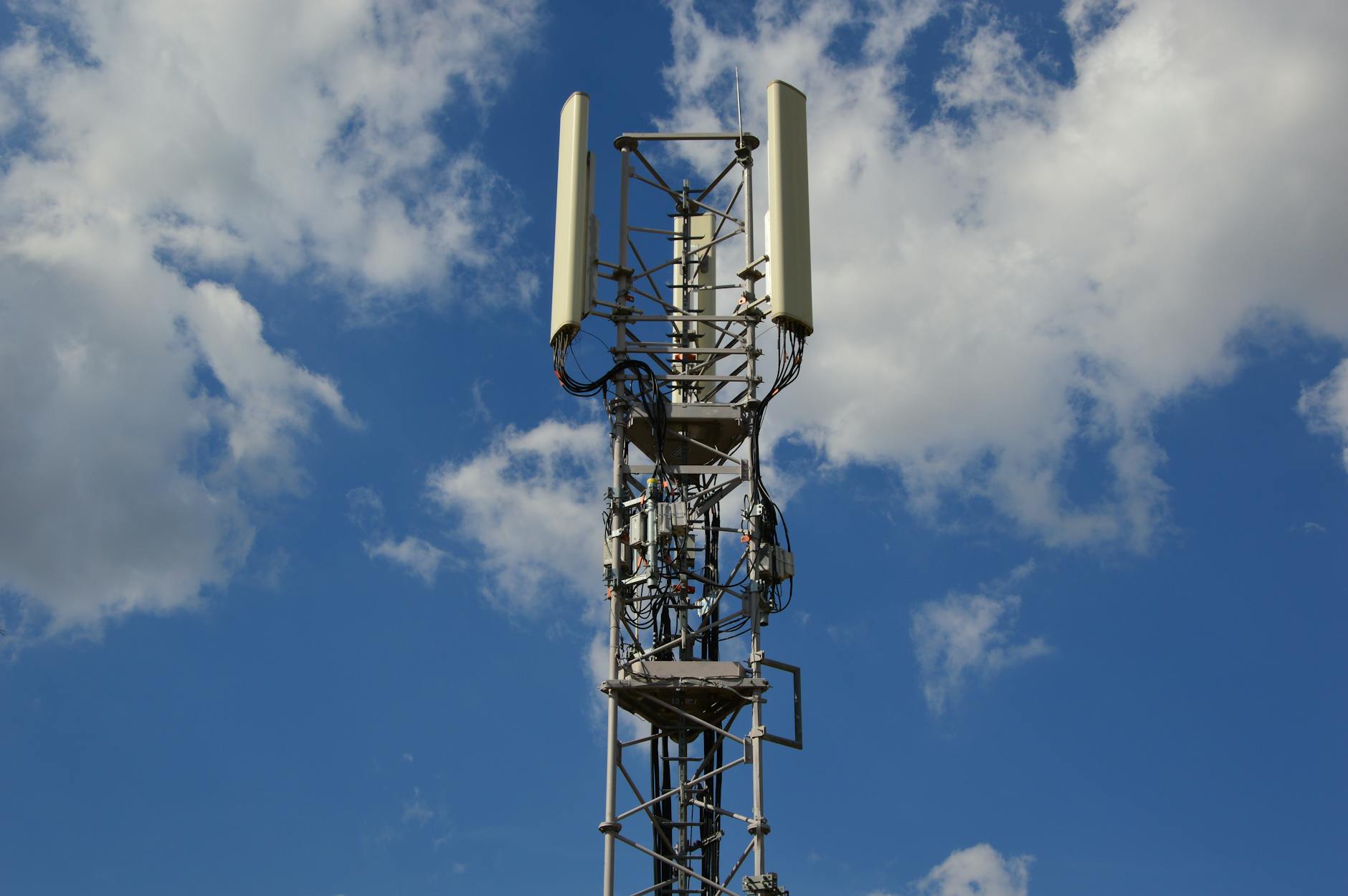
Data traffic in Antarctica has experienced an exponential surge, multiplying 386 times in recent years following the deployment of the world's southernmost 5G network.
Two years after the rollout, the digital gap between the Antarctic territory and mainland Chile has reached a historic low. According to data from Entel, the network has transformed connectivity in one of the planet's most isolated regions.
Accumulated data traffic in the region has reached 100 TB during the two-year period of 5G operation. This volume is equivalent to streaming approximately 50,000 high-definition movies.
"Our commitment to connecting every corner of Chile goes beyond infrastructure; it is about the life stories enabled through it," said Antonio Büchi, CEO of Grupo Entel, in a company statement.
Büchi noted that current download speeds are comparable to those found in central Chile, maintaining a robust experience despite extreme weather conditions.
Digital habits in the frozen continent
Despite the physical distance, digital habits among Antarctic residents, scientists, and visitors largely mirror those of the general population. Social media platforms lead usage, serving as a primary tool to mitigate social isolation.
According to the provider, 38% of data in the Antarctic territory now travels via 5G, accounting for 30% of the total traffic concentrated on this technology.
Usage distribution shows that social media and web browsing dominate the landscape, with TikTok, web browsing, and YouTube each capturing significant shares of the traffic.
To supplement terrestrial infrastructure, the company has integrated strategic alliances, such as using Starlink satellite internet, to ensure connectivity in areas without ground-based towers.
Network demand peaks during the months of January and March, coinciding with the height of the scientific tourism and base activity season.