With less than two weeks until the start of the 2026 FIFA World Cup, residents of the Santa Úrsula Coapa neighborhood in the Coyoacán borough have begun selling the QR-coded vehicle access passes issued by local authorities. As reported by El Financiero, these permits—designed to restrict traffic flow near the Estadio Ciudad de México (Banorte) during the opening match—are being offered in social media groups for up to 2,500 pesos to drivers looking for parking in nearby homes, gated communities, and streets.
The Coyoacán borough implemented this QR code system following a census of residents in Santa Úrsula Coapa, one of the areas expected to face the strictest mobility restrictions. The measure is intended to grant exclusive access to locals and authorized individuals, as the stadium's official parking lot will remain closed to the public to prevent gridlock on major thoroughfares like Calzada de Tlalpan and Circuito Azteca.
This informal market adds to the trend of surging prices for temporary lodging and World Cup-related services that has been building in surrounding neighborhoods for months. The anticipation of welcoming thousands of domestic and international fans has driven up rental costs for houses and apartments across the capital.
Digital Risks and Betting
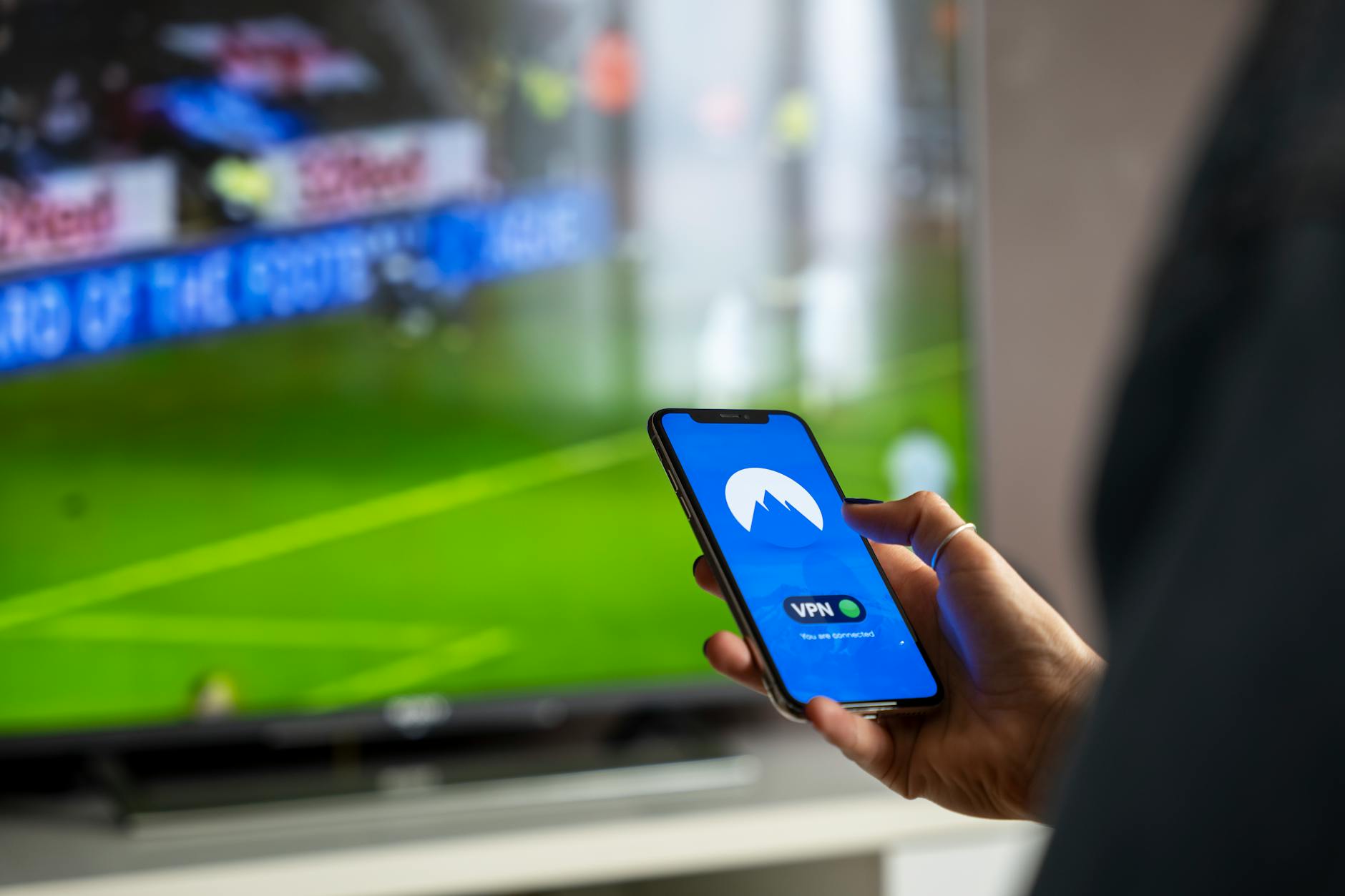
Alongside the traffic congestion, fans are facing a growing threat in the digital space. Xataka México reported that cybercriminals are leveraging Artificial Intelligence to execute phishing schemes, identity theft, and fake sports betting platforms, capitalizing on the excitement surrounding the tournament, which kicks off on June 11 and concludes on July 19.
The Mexican online betting market, which could reach $2 billion by the end of the decade, has become a primary target. According to an analysis by El Economista, this sector could see a compound annual growth rate of 15.11% between 2026 and 2031, with high-impact tournaments like the World Cup serving as a key catalyst for new user registrations—users who are often targeted with aggressive bonuses and deceptive promotions.
The International Betting Integrity Association (IBIA) has warned of the scale of the problem, reporting 300 alerts for suspicious betting activity globally in 2025, a 29% increase over the previous year. These cases were concentrated primarily in soccer and tennis, disciplines that, coupled with the World Cup, attract first-time users who are vulnerable to identity theft schemes or direct financial loss.