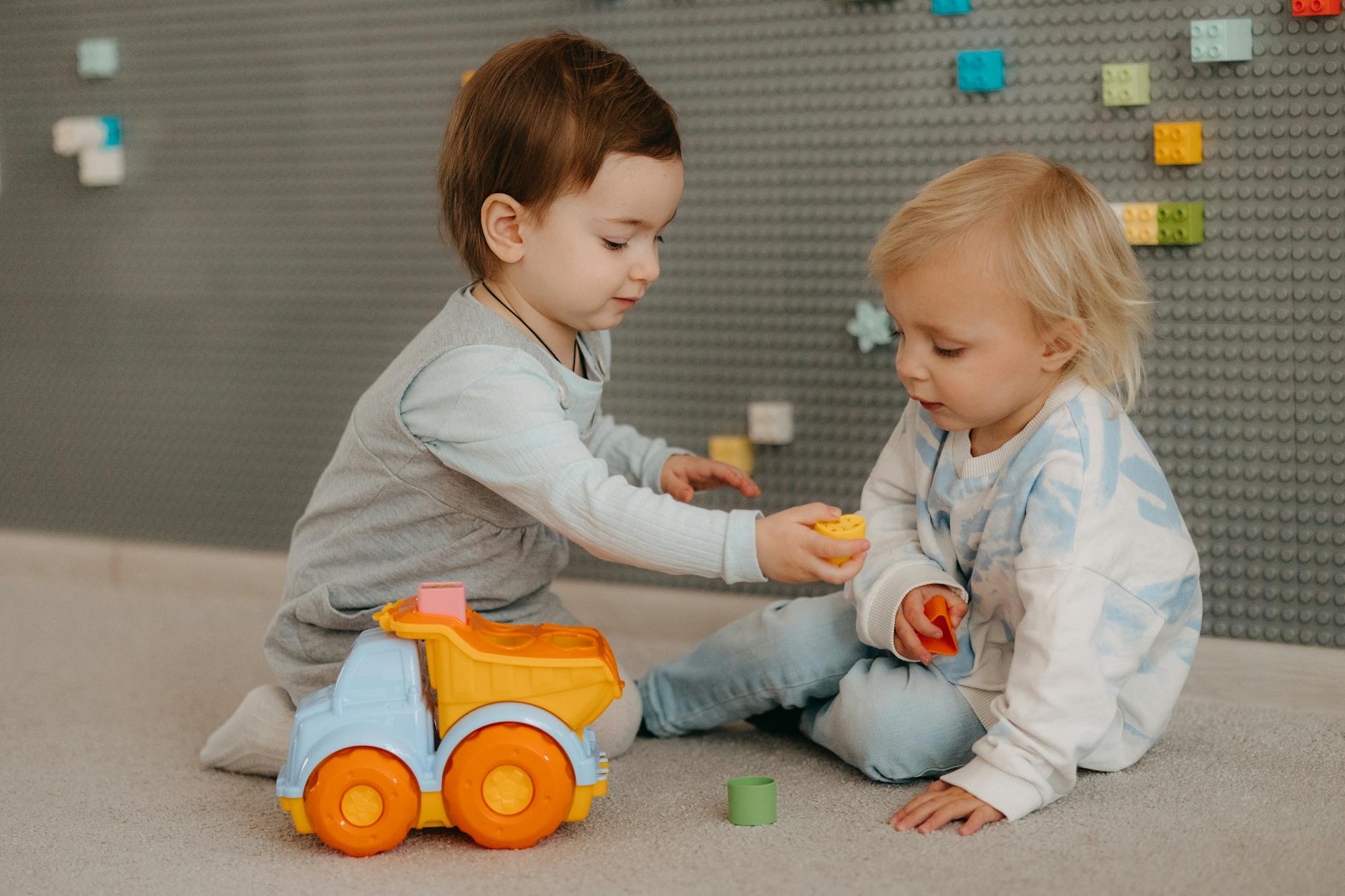
A study published in the journal Developmental Science suggests that human generosity is an innate trait rather than a learned behavior. Researchers found that toddlers display higher levels of happiness when they give treats to others compared to when they receive treats themselves.
The findings provide new evidence that human cooperation is driven by a natural emotional reward system. This internal response, often described by psychologists as a "warm glow," appears to be present early in human development.
The roots of human generosity
Human beings frequently share resources with both friends and strangers, even when that generosity comes at a personal cost. Scientists have long sought to understand the origins of these prosocial behaviors, which range from small acts of kindness to significant sacrifices like organ donation.
"Human beings are remarkably prosocial, and some individuals are willing to share resources even at significant personal cost," said study author Enda Tan, an assistant professor at the University of Victoria. "We are therefore very interested in exploring the developmental origins and motivational forces behind these generous sharing behaviors."
Previous research has indicated that helping others triggers a positive feedback loop. This emotional response encourages individuals to repeat generous actions in the future. However, earlier studies on this topic often suffered from small sample sizes, making it difficult to draw broad conclusions about the behavior of young children.
By examining the emotional reactions of toddlers in a controlled setting, the research team aimed to clarify whether this "warm glow" is a fundamental component of human psychology. The data suggests that the internal reward for sharing is present well before children are socialized into adult norms of altruism.
The study underscores that the impulse for cooperation may be hardwired into the human experience. Rather than being a skill that is exclusively taught, the joy of giving appears to be an intrinsic part of how humans interact with one another from the earliest stages of life.