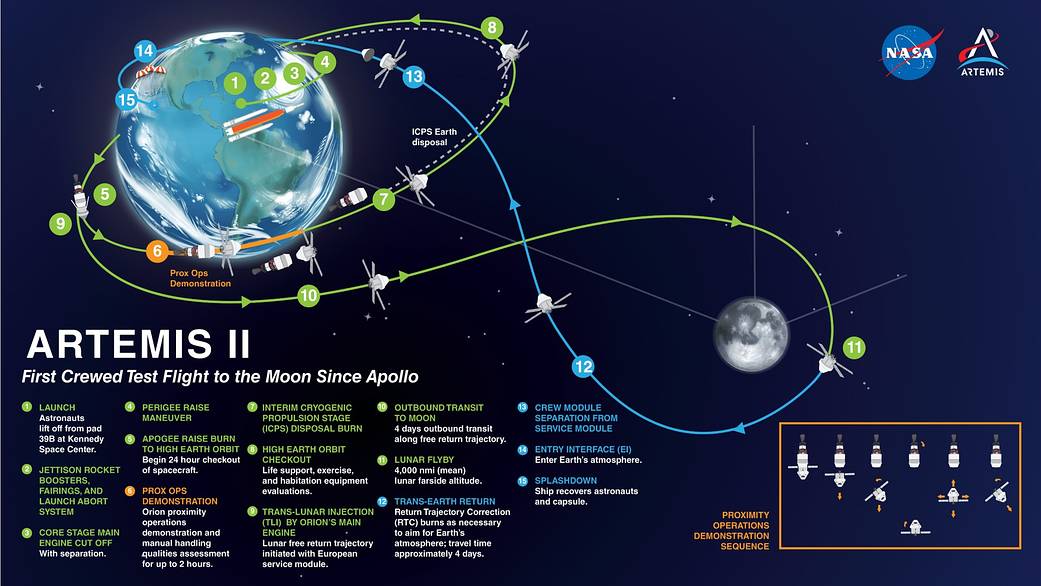
NASA's Artemis II mission launched on April 1, 2026, carrying four astronauts on the first lunar voyage in over 50 years. While the mission aims to explore the lunar far side and lay the groundwork for lunar colonization, the crew faces a critical biological threat: space radiation.
Radiation from galactic and intergalactic sources, as well as the Sun, can severely alter cellular functions. Alfonso Blázquez Castro, a professor at the Universidad Autónoma de Madrid, noted that the effects are similar to those caused by atomic explosions or nuclear reactor accidents.
The biological cost of deep space travel
Space radiation damages the body by breaking cell molecules or creating highly reactive chemical species. This energy can shatter DNA, the molecule responsible for all cellular instructions.
"Short-term damage can lead to illness or death. In the long term, it can result in the chronic loss of various functions or the development of cancer," Blázquez told The Conversation.
Exposure can impact the central nervous system and the cardiovascular system. The severity of the impact depends on the type of ionizing particle, its energy, and the duration of exposure.
Radiation levels are measured in sieverts and millisieverts. While commercial flight workers are limited to 1 to 2 millisieverts annually, Apollo astronauts received between 0.5 and 3 millisieverts per day during their week-long missions.
Blázquez noted that while previous Apollo astronauts have not shown increased cancer rates, their exposure was relatively brief. He pointed out that if the Apollo 16 and 17 missions had occurred in August 1972, solar flares could have delivered lethal doses.
NASA is currently testing shielding materials to deflect or slow radiation. Researchers are also exploring nutritional and pharmaceutical strategies to aid in DNA repair.
Future lunar colonies may rely on underground bases, using meters of lunar soil as a natural shield against cosmic rays. The Artemis missions will provide the necessary data to determine if these survival strategies are viable.