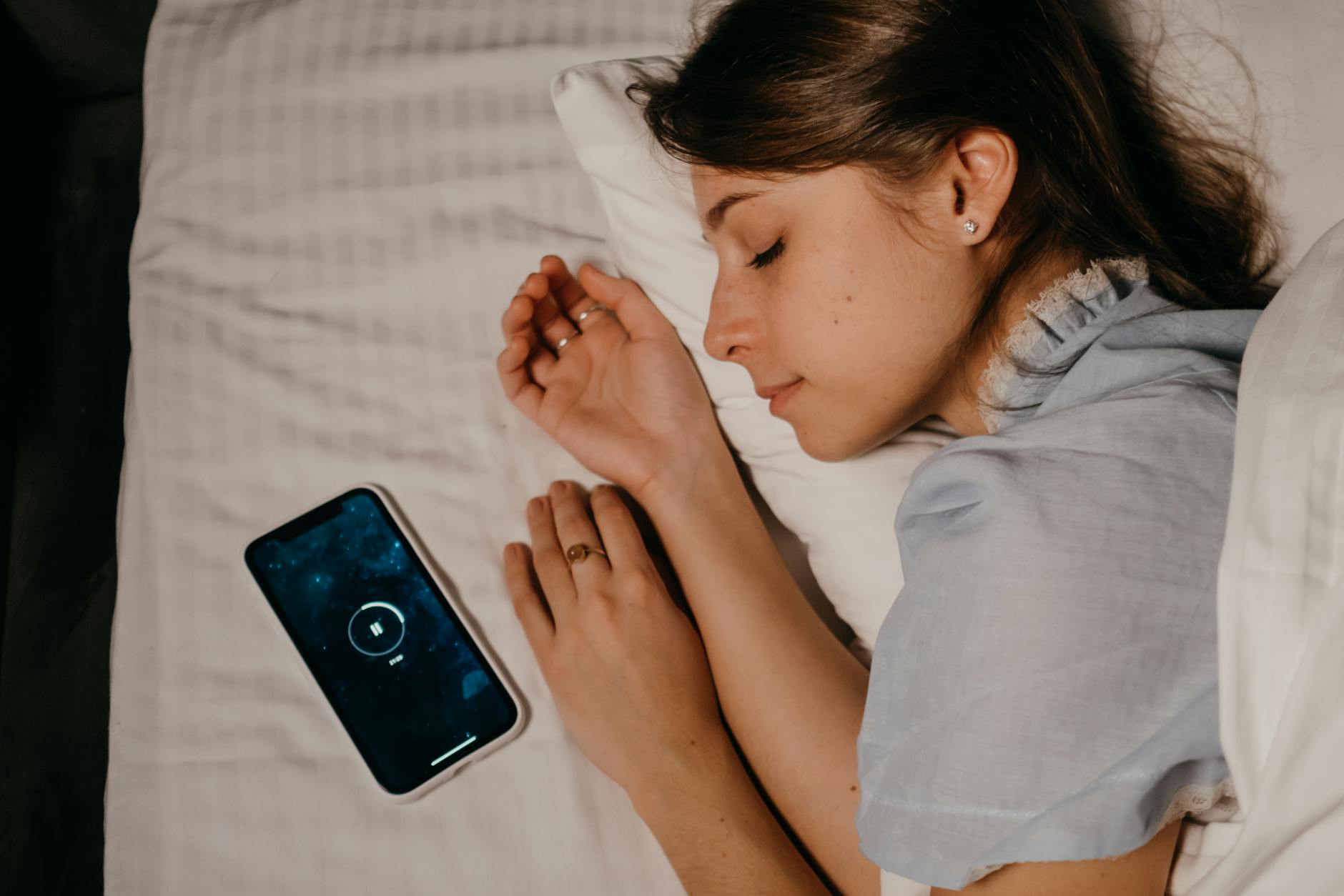
A recent review of 11 scientific studies suggests that the blue light emitted by smartphones and tablets may delay sleep by as little as nine minutes at most.
The findings challenge the long-standing narrative that screen brightness is the primary villain of nocturnal rest. Instead, experts point to the nature of digital engagement and daytime light exposure as more critical factors.
BBC journalist Thomas Germain tested this theory by attempting to eliminate blue light entirely. For weeks, Germain wore orange-tinted glasses, covered windows with blackout curtains, and replaced LED lighting with candles to simulate a 'cave-like' environment.
Despite these drastic measures, Germain maintained his usual habits of using computers and televisions. He aimed to isolate light as a variable while keeping digital content constant.
The role of daytime light
Researchers suggest that the body's ability to distinguish day from night depends heavily on morning light exposure. Jamie Zeitzer, a professor of psychiatry and behavioral sciences at Stanford University, notes that high light levels during the day can mitigate the impact of light at night.
"The more light you receive during the day, the less impact nighttime light will have," Zeitzer said. He explained that the eyes contain melanopsin, a protein specifically sensitive to blue light, but the amount of light from screens is minimal compared to the sun.
Zeitzer argues that the true culprit is the psychological stimulation of the devices. "It is much more the content, more than the light, that keeps people awake with these devices," he said.
Germain's experiment yielded subtle results rather than a total transformation. While he could not definitively prove blue light was the sole cause, he reported a more consistent sleep schedule and a greater motivation to go to bed early.
He noted that the ritual of a dim, candlelit routine helped signal his body to slow down. The study suggests that sleep quality depends more on the lifestyle built around technology than the screens themselves.