The waters off northern Chile were once significantly warmer, resembling current conditions in Peru, until a definitive cooling process began approximately three million years ago. A study published in the Journal of Palaeogeography details how this transition transformed the region’s marine life, leading to the extinction of numerous ancient species.
Researchers reconstructed the history of the Coquimbo basin by analyzing marine sediment deposits. They determined that sea surface temperatures in the region were roughly 17.1 °C—about 3 to 4 degrees warmer than during the Pleistocene epoch 800,000 years ago.
“The Chilean sea acquired its temperate conditions starting about three million years ago,” said paleontologist Martín Chávez Hoffmeister, scientific director of the Atacama Paleontology and Natural History Research Corporation (CIAHN).
The Humboldt Current’s role
Two primary events drove this thermal shift. The closure of the Isthmus of Panama about four million years ago altered global currents, fostering the modern Humboldt Current. This shift increased the intensity of coastal upwelling, where winds push cold, nutrient-rich water to the surface.
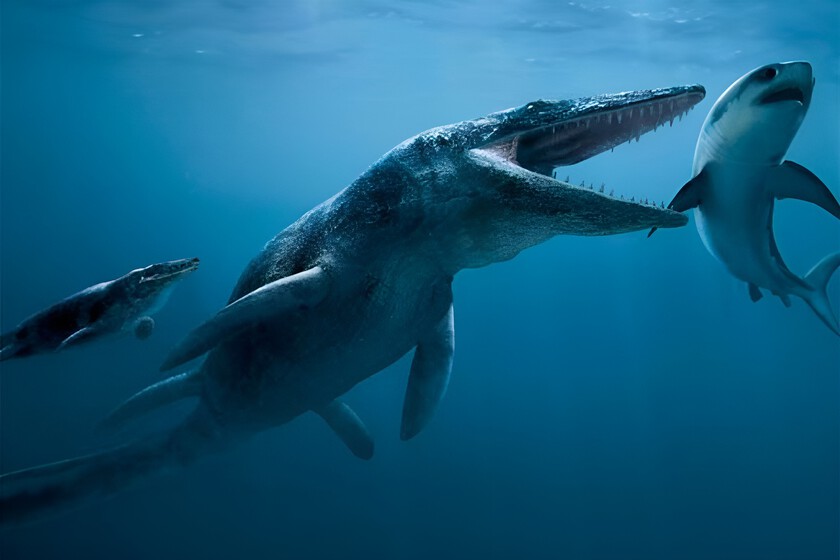
This change proved catastrophic for many species. Only 22% of mollusk genera in Coquimbo survived the transition. Ancient predators such as the megalodon disappeared, while other species, including marine sloths and aquatic reptiles similar to crocodiles, went extinct.
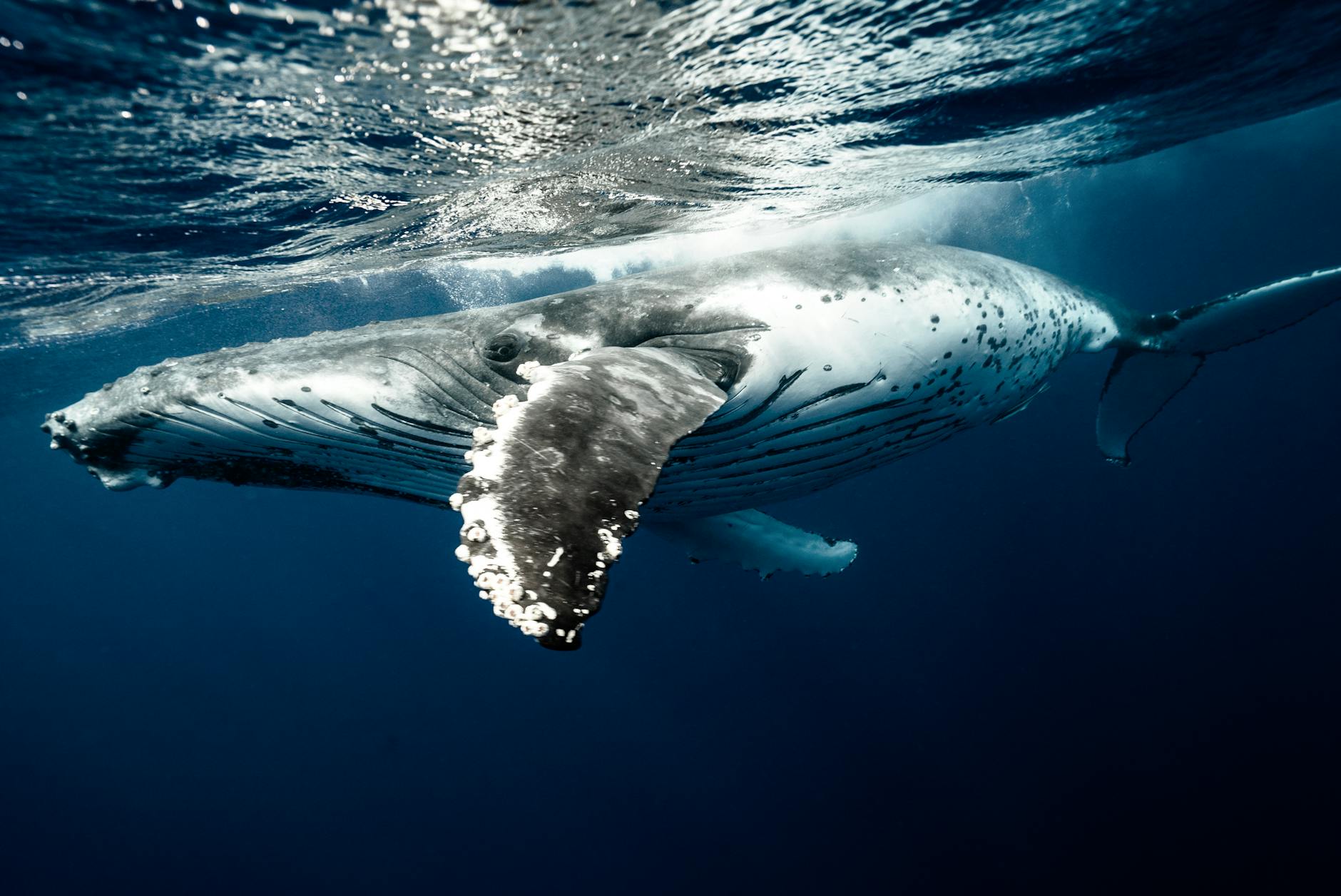
“We assume they were victims of this climate transition,” Chávez said regarding the extinct marine sloths. He noted that the shift also favored the rise of modern giants, as the disappearance of older predators allowed whales to grow to the massive sizes seen today.
The cooling also forced a total turnover in the local shark population. Species like the sawshark and horn shark, which once thrived in northern Chile, are no longer found on the coast. Their closest living relatives now reside in the Caribbean and off the coast of Peru.
Pinnipeds were similarly affected. Ancient fossil records in Coquimbo and the Atacama region show a historical presence of seals, which were eventually replaced by sea lions. Even penguin populations changed, with several species—some 30% larger than their modern counterparts—vanishing during the thermal transition.
Scientists believe the Pliocene epoch, when this cooling occurred, offers a vital look at potential future climate shifts. By using strontium isotope dating on fossilized shells, the team confirmed that the modern marine system was fully consolidated by 300,000 years ago.