NASA and the U.S. Armed Forces have finalized preparations for the return of the Artemis II mission, scheduled for this Friday off the coast of California. Given the possibility that the Orion capsule could deviate from its planned trajectory, authorities have designed rapid-response protocols to ensure the safety of the four crew members.
Lili Villarreal, Artemis Landing and Recovery Director, confirmed that the deployment includes military C-17 aircraft and two Navy helicopters. These units will join seven other aircraft tasked with monitoring the descent, alongside support teams based at Pearl Harbor.
“We are working with the military to ensure that if there is an off-nominal event, we have rescue forces ready to go to the off-nominal landing site,” Villarreal stated during a press conference on Wednesday.
Preparations for Potential Technical Failures
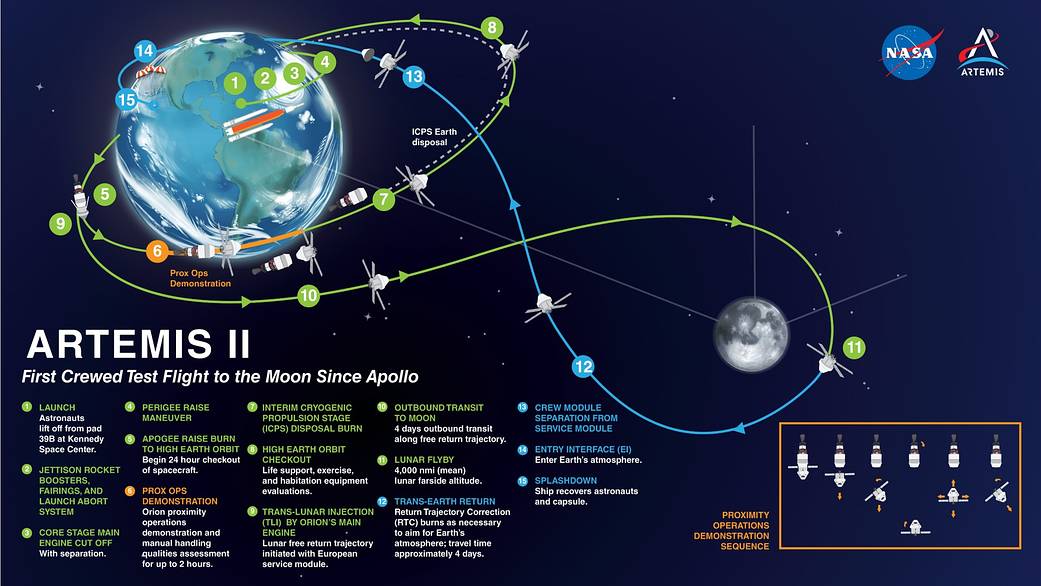
The technical team is maintaining strict surveillance of the spacecraft's systems. Rick Henfling, Artemis Return Flight Director, explained that specialists are constantly evaluating the guidance, navigation, control, and propulsion systems. Although NASA has established a splashdown zone of 2,000 nautical miles in the Pacific near San Diego, contingency plans cover any deviations outside of that range.
Meanwhile, Debbie Korth, deputy manager of the Orion program, indicated that the team is currently reviewing the heat shields. These components are critical to protecting the spacecraft from the intense heat generated during reentry into the Earth's atmosphere.
The return process will begin 42 minutes before splashdown, when the crew module detaches from the rest of the spacecraft. Thirteen minutes before impact, the capsule will enter the atmosphere, reaching speeds of up to 10,657 meters per second.
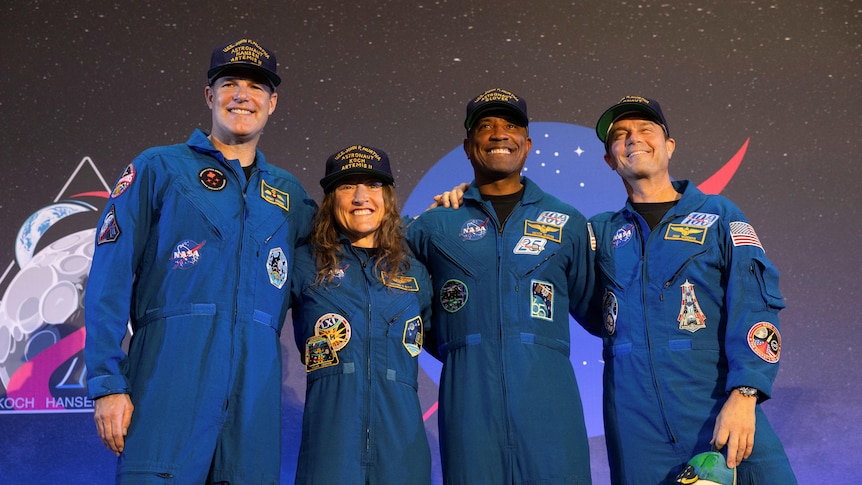
Henfling emphasized that while conditions are favorable, astronauts Reid Wiseman and Victor Glover have trained extensively to execute corrective maneuvers if necessary. “If everything goes nominally, they won't need to take any action, but they have trained to respond in case we face an off-nominal scenario,” the flight director affirmed.
Once the capsule touches down in the ocean, the extraction protocol will be immediate. Medical teams will board the craft for an initial assessment before proceeding with the transfer to Navy helicopters. According to the established schedule, the evacuation will follow a specific order: Christina Koch, Victor Glover, Jeremy Hansen, and finally, Commander Reid Wiseman.