Researchers at Osaka Metropolitan University have identified a biological mechanism where light exposure strengthens the bond between a plant's outer skin and its inner tissues, potentially slowing overall growth.
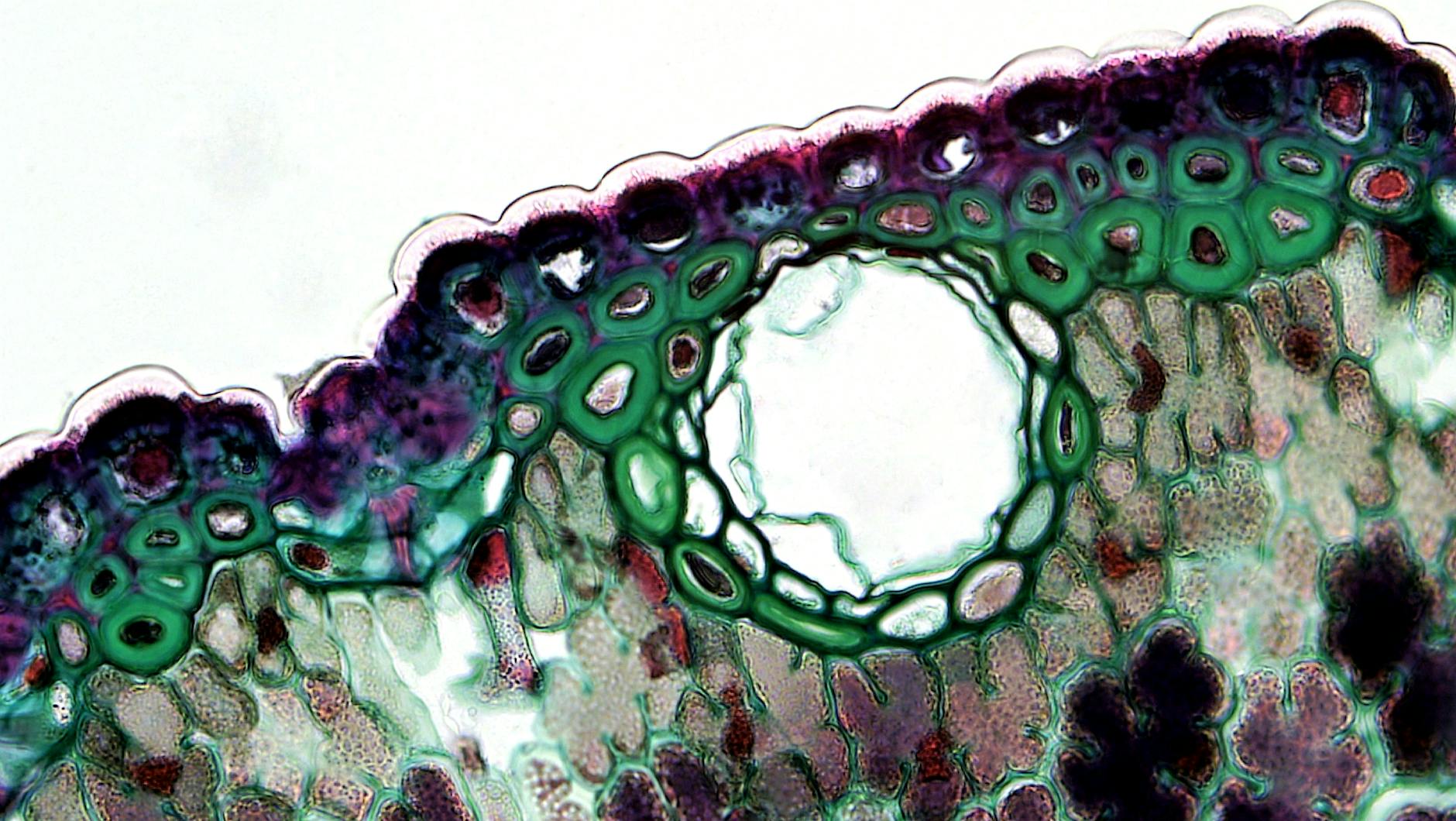
The study, led by Professor Kouichi Soga of the Graduate School of Science, focused on the development of young pea stems. By measuring the adhesion between the epidermis and inner tissues, the team found that light significantly increases the structural bond between these layers.
"Compared with plants grown in the dark, the epidermal and inner tissues of plants grown in the light are more tightly bound together," Professor Soga said. He noted that this phenomenon had not been previously reported.
The role of p-coumaric acid
Using fluorescence microscopy, the research team tracked the accumulation of p-coumaric acid, a phenolic acid known to reinforce cell walls. The cells exposed to light emitted signals indicating high levels of this specific compound.
"This provided strong evidence that the accumulation of p-coumaric acid was a key factor in strengthening the adhesion between the epidermal and the inner tissues," said Yuma Shimizu, a graduate student and the study's first author.
This increased adhesion creates a structural trade-off. While the stronger bond provides greater stability, it also prevents the inner tissues from expanding freely, effectively putting a brake on stem growth.
The researchers believe this mechanism could be a universal method for plants to regulate growth in response to environmental changes. The findings, published inPhysiologia Plantarum, may eventually assist in breeding crops with higher stress tolerance.
"If we can control adhesion, it may be possible to breed plants with improved tolerance to environmental stress," Professor Soga said.