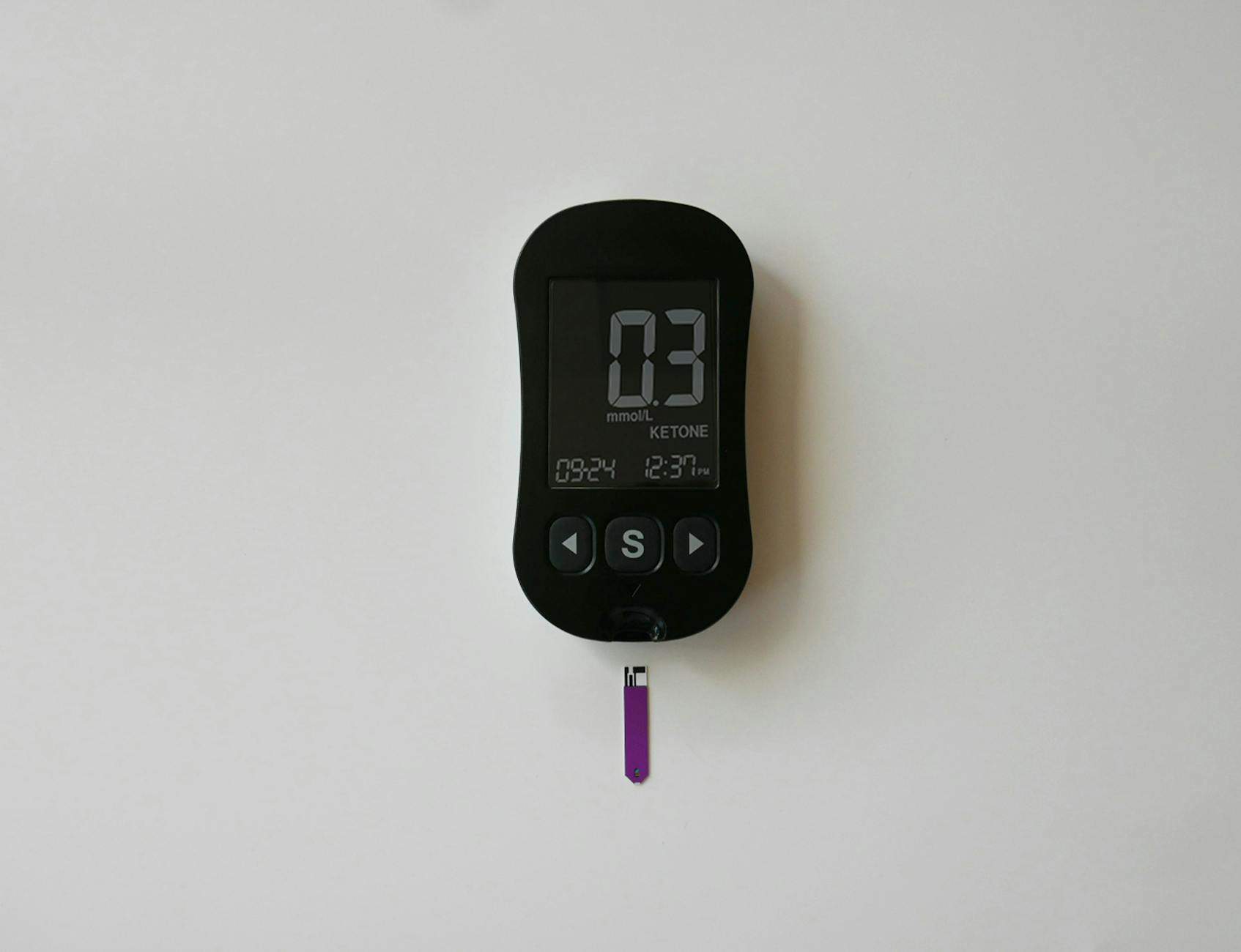
A single dose of a ketone ester supplement significantly reduced alcohol cravings in individuals with alcohol use disorder, according to a new study published in Psychiatry Research: Neuroimaging.
Researchers compared participants with alcohol use disorder to healthy controls to observe changes in brain energy metabolism. The study found that the supplement shifted the brain's primary energy source from glucose to ketones.
Ketone esters are synthetic compounds designed to raise blood ketone levels without the need for fasting or a strict ketogenic diet. While the body naturally produces ketones during periods of low carbohydrate intake, these esters can induce nutritional ketosis within minutes of ingestion.
Bridging the energy gap
The study's rationale focuses on how heavy alcohol consumption alters brain metabolism. Chronic drinkers often adapt to using acetate, a byproduct of alcohol, as a primary energy source instead of glucose.
When consumption stops, the sudden absence of acetate creates a metabolic energy deficit. Researchers believe this deficit triggers the onset of withdrawal symptoms and intense cravings.
Because ketones act similarly to acetate, scientists hypothesized that ketones could serve as an alternative fuel to bridge this metabolic gap safely. The supplement used in the study contains molecules like β-hydroxybutyrate (BHB) bound to an alcohol, which the body rapidly converts into usable ketones.
Unlike ketone salts, which contain high mineral content, ketone esters deliver higher ketone levels more efficiently. While athletes often use these compounds to potentially enhance endurance, this research explores their utility in managing addiction-related metabolic shifts.