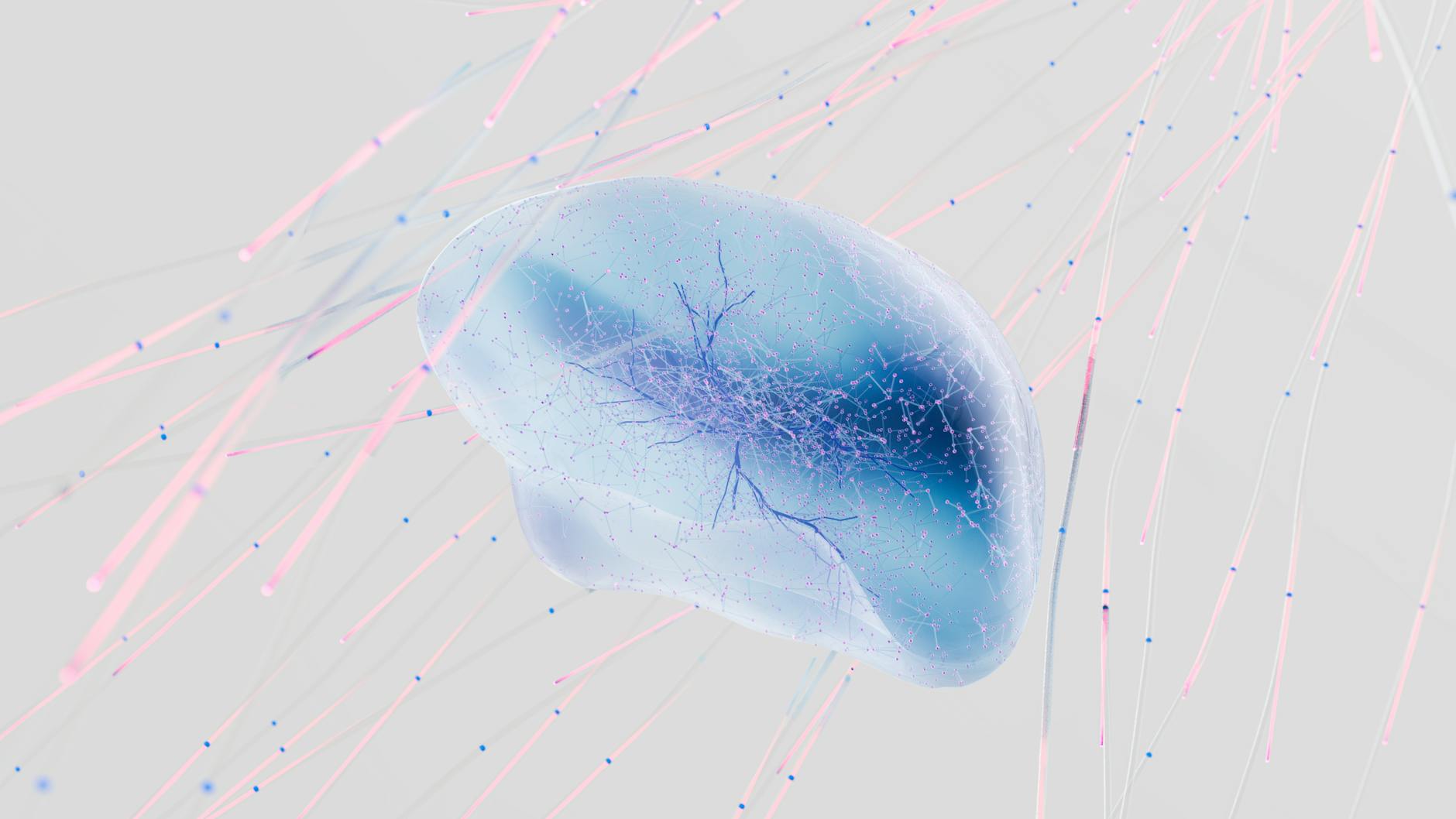
Scientists have discovered that the brain’s signal to stop eating relies on a complex relay system involving cells previously thought to be mere support staff. A study published April 6 in the Proceedings of the National Academy of Sciences reveals that astrocytes play a central role in regulating hunger.
Researchers from the University of Maryland and the University of Concepción in Chile found that this process begins with tanycytes, specialized cells lining the brain's fluid-filled cavities. These cells detect rising glucose levels after a meal and release lactate into the surrounding tissue.
Traditionally, biologists believed this lactate signaled directly to neurons. However, the study identifies astrocytes as a crucial middleman in the process.
A new target for metabolic health
Astrocytes contain a receptor known as HCAR1, which detects the lactate released by tanycytes. Once activated, these astrocytes release glutamate, a chemical messenger that triggers neurons responsible for the sensation of fullness.
"People tend to immediately think of neurons when they think about how the brain works," said Ricardo Araneda, a professor in UMD’s Department of Biology and a corresponding author of the study. "But we're finding that astrocytes, what we used to think of as just secondary support cells, are also participating in how our brains regulate how much we eat."
The research indicates that this system may work on a dual track. While lactate activates fullness neurons through astrocytes, it may simultaneously suppress hunger neurons through a more direct route. This creates a coordinated response to stop food intake.
Because this biological mechanism exists in all mammals, it offers a potential new target for treating obesity and eating disorders. While current drugs like Ozempic focus on different pathways, targeting the HCAR1 receptor could provide a novel way to manage appetite.
"We now have a different mechanism where we might be able to target astrocytes or specifically this HCAR1 receptor," Araneda said. "It would be a novel target that may complement existing therapies."
The team plans to test whether manipulating this receptor in living subjects can successfully alter eating behavior. No drugs currently target this specific pathway, but the discovery provides a clear roadmap for future clinical research.