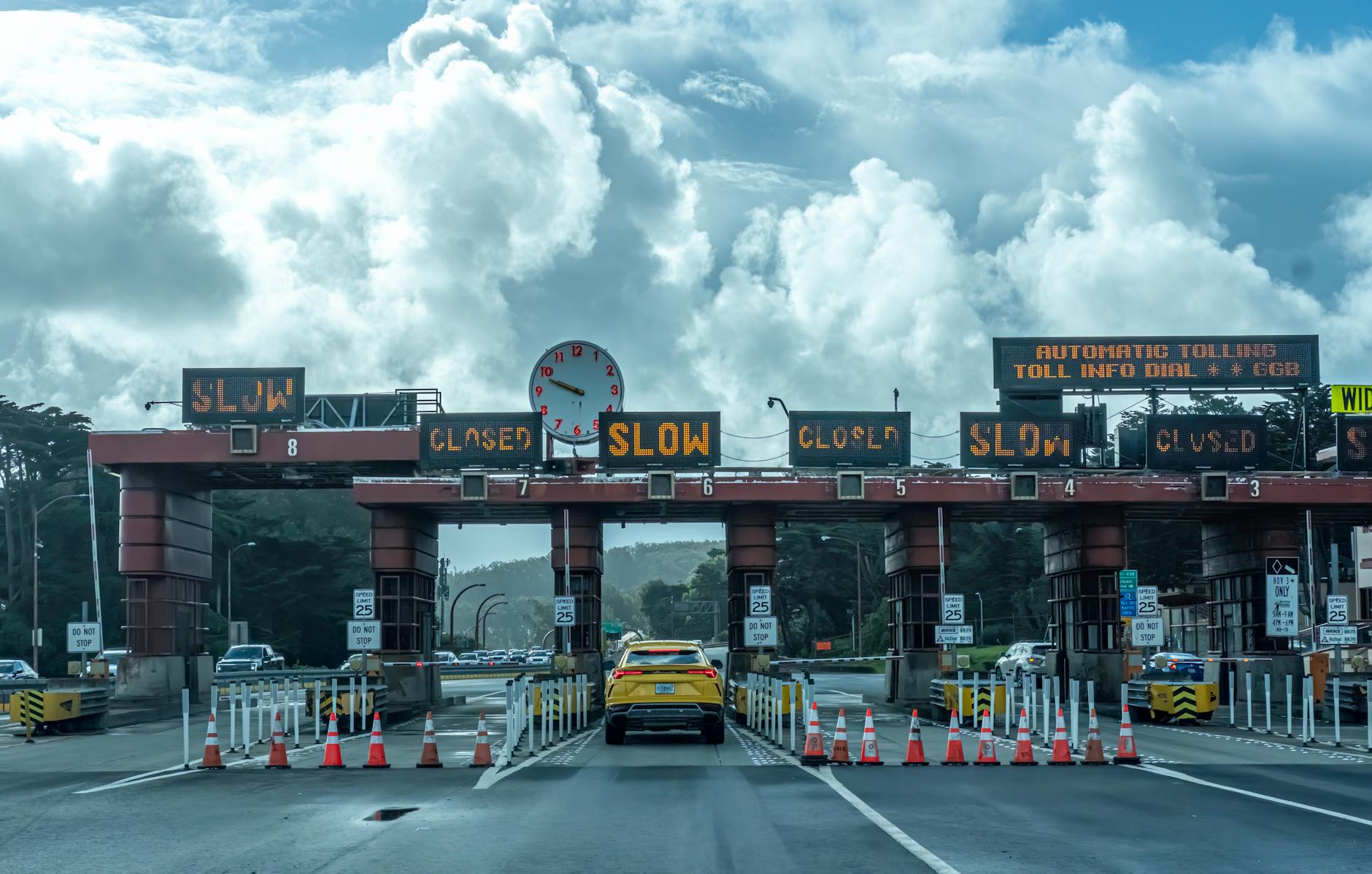
Chile's highway concession model is facing a crisis of legitimacy due to a failure to integrate local communities into the project decision-making process, according to a report by elmostrador.cl.
While the system has successfully attracted over US$30 billion in infrastructure investment and led to the construction of thousands of kilometers of highways, a growing social rift is threatening its long-term sustainability. The core of the conflict does not necessarily lie in technical flaws, but rather in how territorial impacts are managed.
A critical example is unfolding in the south of the country, specifically regarding the expansion of Route 5 South on the Temuco-Río Bueno stretch. This project, part of the second phase of the Route 5 concession, has drawn heavy criticism from political leaders, social organizations, and communities across the Araucanía and Los Ríos regions.
The grievances extend far beyond the cost of tolls. Complaints center on poorly planned access points, insufficient local connectivity, and the negative impact on rural areas. The fundamental issue is that public participation is often only introduced once a project has already been finalized, turning potential dialogue into outright resistance.
The Challenge of Territorial Relevance
Urbanist David Harvey argues that development cannot be imposed from the top down while ignoring local dynamics, as doing so creates territorial disputes rather than progress. This logic is currently playing out across several ongoing infrastructure projects.
However, there are precedents for better practices. The Vespucio Oriente urban highway project in the Metropolitan Region incorporated underground sections and early-stage participation processes to mitigate urban impact. According to the report, designs that prioritize territorial relevance are more successful at reducing the intensity of conflicts.
At present, the concession model remains a transactional structure where the State tenders, the private sector builds, and the user pays. However, this equation ignores the power of organized communities, for whom a new highway represents significant changes to noise levels, safety, and access to their environment.
Compounding these issues are the economic burden of tolls and the forced expropriation of properties under current laws. The current debate does not question the need for new concessions, but rather the quality of how they are implemented.
The success of future infrastructure will depend on a necessary evolution: "Either the model evolves toward a logic where communities are true decision-makers rather than just participants in a process, or it will continue to accumulate friction that will ultimately slow down exactly what it seeks to accelerate: development," the analysis by elmostrador.cl concludes.