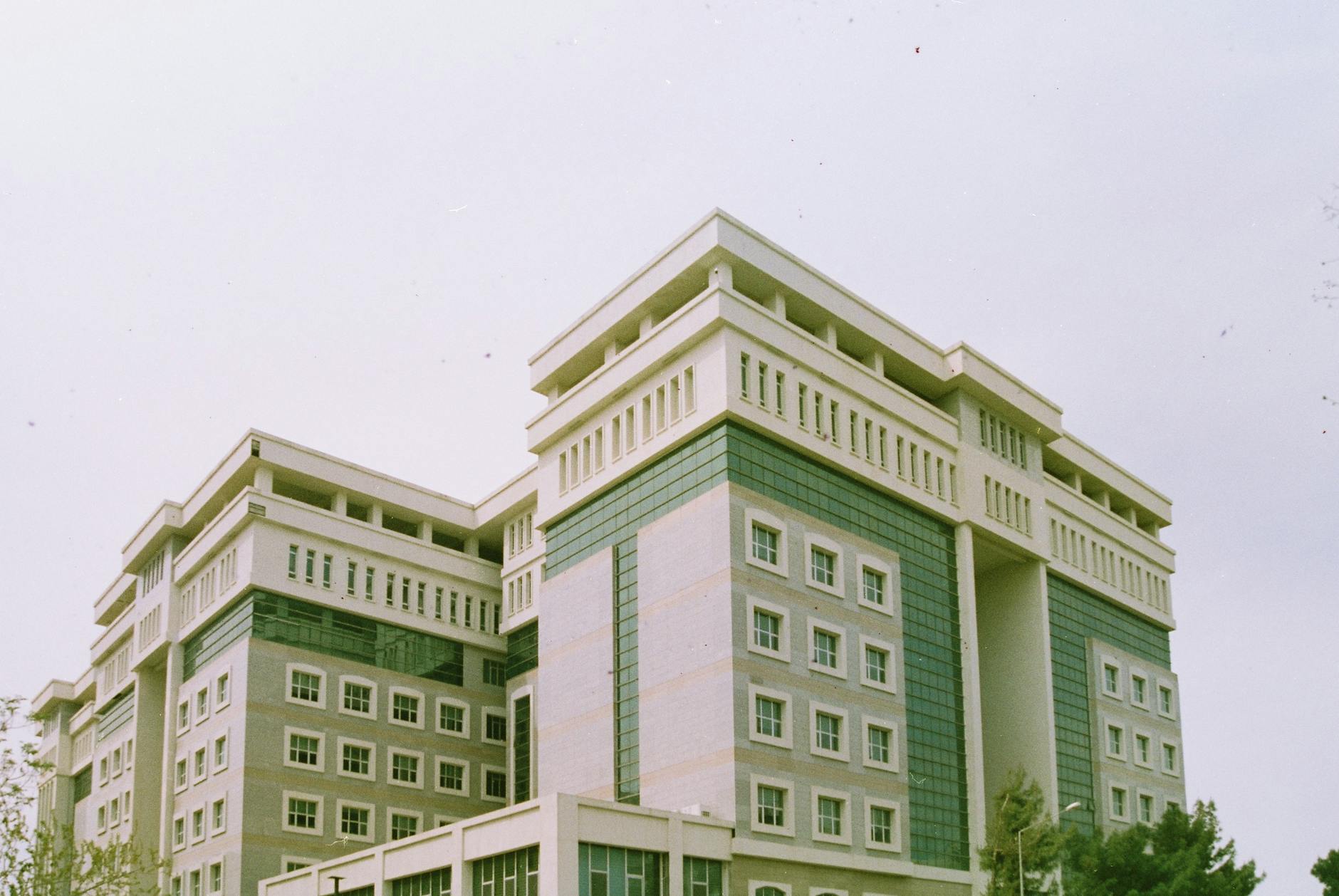
The Federal Judiciary (PJF) has acknowledged an alarming increase in pests—including rats, mice, cockroaches, and various insects—within its buildings nationwide. As reported by eluniversal.com.mx, the General Directorate of Real Estate and Maintenance (DGIM) warned that the infestation threatens the structural integrity of the buildings, the safety of staff, and the preservation of institutional archives.
The administrative body admitted that the infestation directly compromises sanitary conditions for both employees and the public. In an internal memo, the agency stated: “An increase in harmful fauna and pests has been identified in various Federal Judiciary buildings, a situation that directly impacts the maintenance of the properties, the functionality of facilities and equipment, and the preservation of institutional files and documentation.”
Faced with this crisis, the PJF initially launched a national tender for pest control services. However, the process was canceled after it was determined that a single, blanket contract was not technically viable. The institution concluded that a region-specific approach is required, as the country’s diverse climate conditions lead to the proliferation of different species depending on the geographic location.
Regional Fumigation Strategy
Technical studies conducted by the DGIM reveal a specific distribution of pests. In the Northern Region, which includes Sonora, Chihuahua, and Coahuila, rodents, crawling insects, and termites are the primary concerns. In the Central zone—comprising Mexico City, the State of Mexico, Puebla, Querétaro, and Guanajuato—cockroaches and vectors associated with green spaces are the main invaders.
Meanwhile, in the South-Southeast and Gulf regions, high humidity levels encourage the spread of mosquitoes, fungi, and termites. On the Peninsula, the tropical climate has triggered an influx of ants and urban pests. For this reason, the Judiciary is looking to implement an integrated management plan that includes the use of insecticidal gels, larvicides, fungicides, and structural chemical barriers, tailored to the specific needs of each location.
The report from eluniversal.com.mx highlights that future service providers must strictly comply with various Official Mexican Standards (NOM), including regulations set by the Ministry of Health, the Ministry of Labor, and SEMARNAT. Furthermore, contractors will be required to hold valid sanitary licenses and employ staff trained in the handling of chemical agents within office and archival environments.