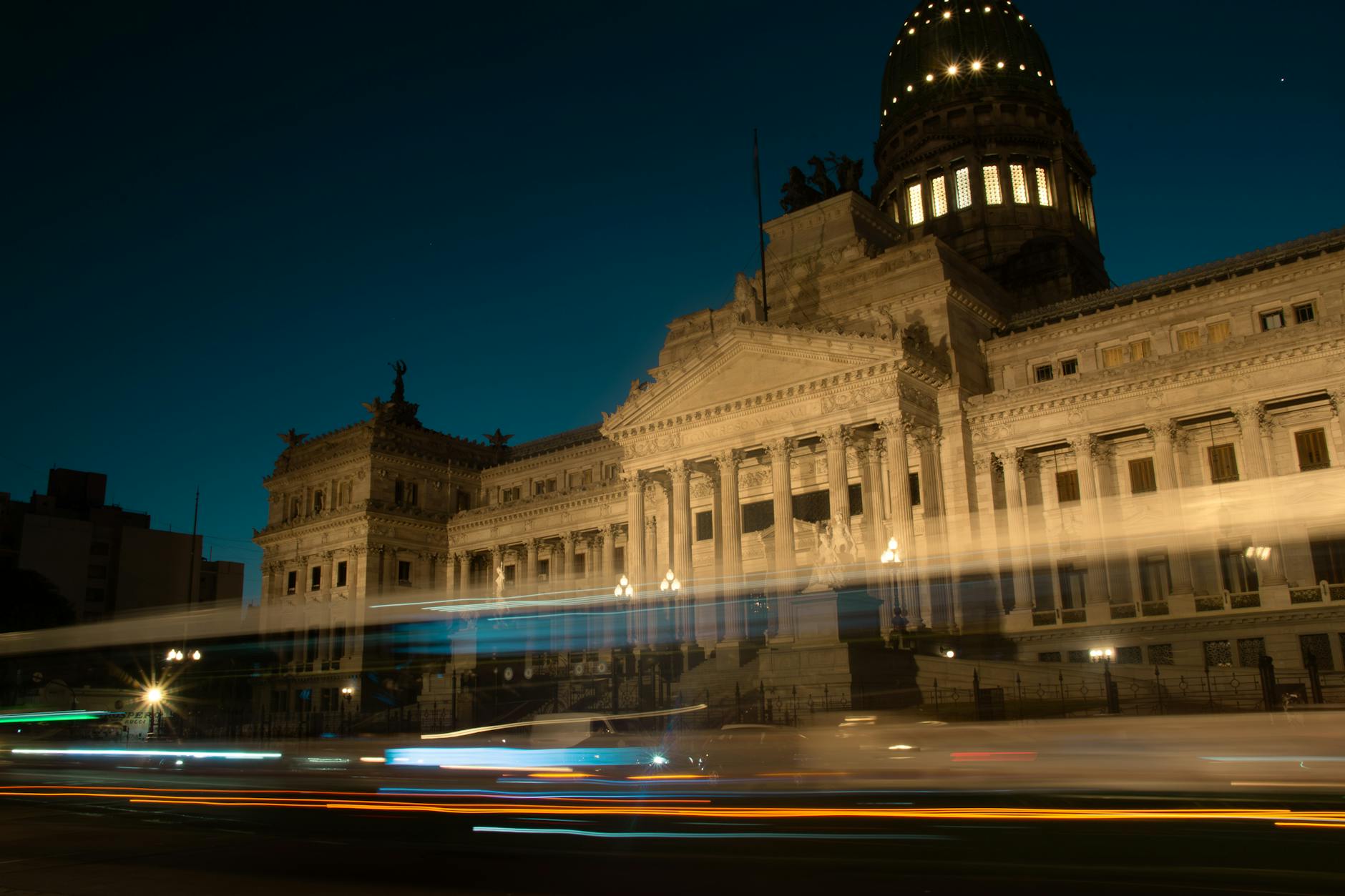
The Chamber of Deputies concluded a 32-hour continuous special session on Thursday, May 28, during which key constitutional reforms to the Mexican electoral system were passed. The President of the Board of Directors, Kenia López Rabadán, reported that the legislative work included 348 floor speeches—a long day, though still short of the 74-hour record set in 2014 or the 42-hour session in 2021.
The plenary approved a reform establishing that elections can be annulled if foreign interference is proven. President Claudia Sheinbaum Pardo defended the measure, arguing there is a real risk of interference in the 2027 elections and citing external funding for civil society organizations. However, she admitted that the technical criteria for proving such interference still need to be defined in secondary legislation.
Simultaneously, with 271 votes in favor and 92 against, the creation of the Commission for the Verification of Candidate Integrity within the National Electoral Institute (INE) was approved. As reported by El Financiero, this body will be composed of five councilors—rather than the three initially estimated—chosen by the INE General Council for a three-year term. The commission will have the authority to request risk assessments from the Attorney General's Office, the National Intelligence Center, the Financial Intelligence Unit, and the National Banking and Securities Commission. These institutions will define the methodology for determining the existence of a "reasonable risk" of ties to criminal activities based on circumstantial evidence. Participation by political parties and independent candidates in this process will be voluntary, allowing for the submission of full or partial information.
The opposition denounced the mechanism as lacking independence. During the debate, Deputy Carlos Gutiérrez Mancilla (PRI) labeled Morena lawmakers "a bunch of narco-politicians," which sparked a physical confrontation. According to El Universal, Deputy Zenyazen Escobar (Morena) responded by challenging Mancilla to a fight, assuming a boxer’s stance. President Kenia López had to intervene to call for order, reminding the lawmakers that they had been in session for over 29 hours. Subsequently, Deputy Isabel González (PRI) formally requested a drug test for Escobar, arguing that his erratic and aggressive behavior, even toward his own party colleagues, suggested substance use. Escobar responded by inviting her to check the glass at his desk.
In addition to these measures, the special session included the approval of a constitutional reform to postpone the second judicial election until 2028. The session was marked by outside protests, highlighting the deep political polarization surrounding the passage of this reform package.