A Regional Crisis Hits Global Markets
Asian stock markets faced a brutal trading session on Thursday as investors reacted to a violent escalation in the Middle East. The conflict, which has already paralyzed maritime traffic through the vital Strait of Hormuz, expanded significantly after a series of missile and drone strikes targeted key energy infrastructure in Qatar, Iran, and the United Arab Emirates.
Japan’s Nikkei 225 and South Korea’s KOSPI both suffered losses of nearly 3 percent in early trading. The volatility follows a negative lead from Wall Street, where the S&P 500 and the Nasdaq Composite fell by 1.4 percent and 1.5 percent, respectively, amid mounting concerns over global inflation and energy security.
The Fallout at Ras Laffan
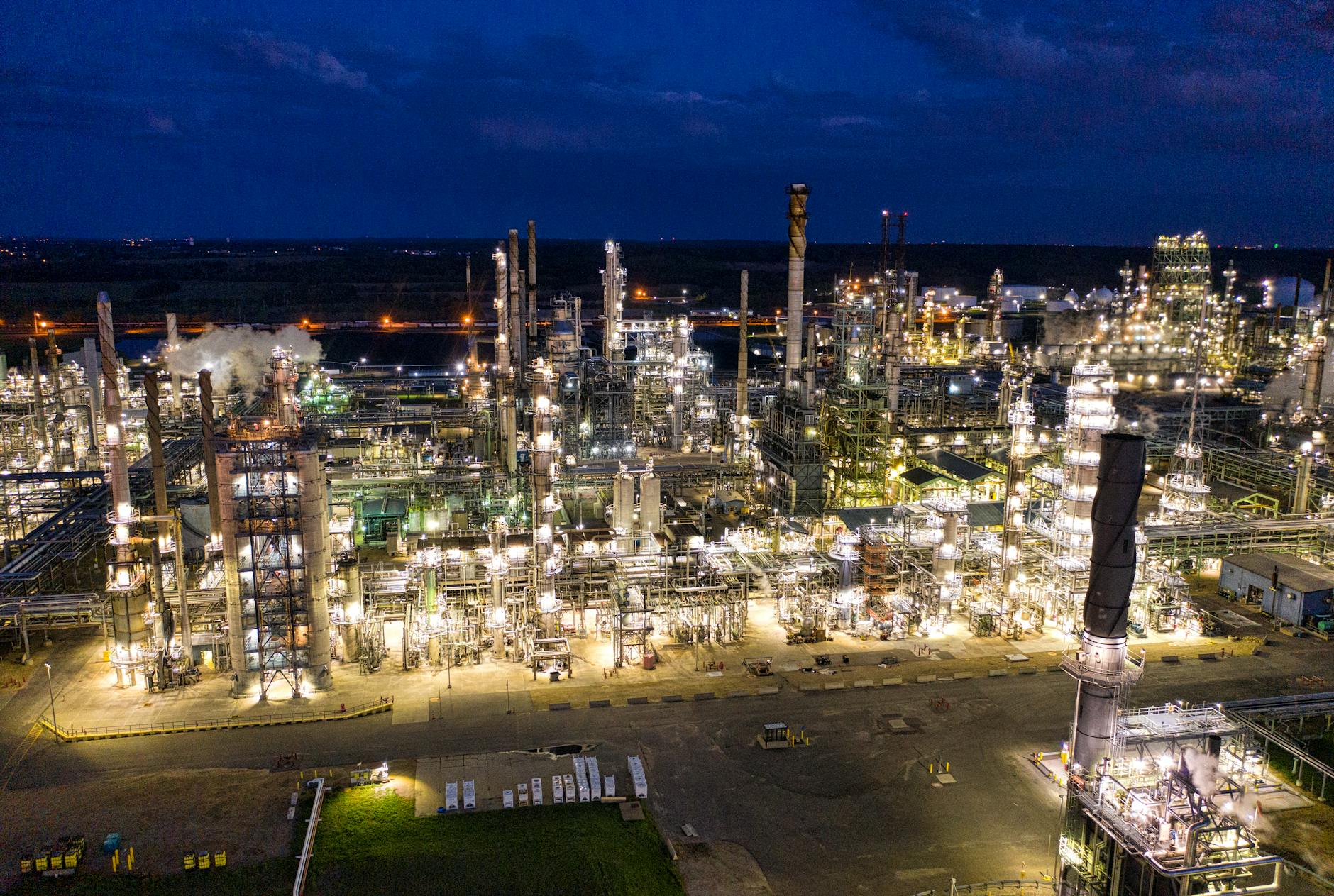
At the heart of the market anxiety is the status of Qatar’s Ras Laffan Industrial City, the world’s largest liquefied natural gas (LNG) export facility. QatarEnergy confirmed that the site sustained “significant damage” following Iranian missile strikes. The state-run company further reported that multiple satellite facilities were struck, resulting in massive fires and extensive infrastructure destruction.
In the UAE, authorities announced the suspension of operations at the Habshan gas plant and the Bab oilfield as a precautionary measure following the interception of Iranian projectiles. Saudi Arabia also reported thwarted drone and missile attacks targeting its eastern energy sector and the capital, Riyadh.
These strikes serve as a retaliatory response by Tehran following earlier Israeli operations against the South Pars gasfield, the world’s largest of its kind. The tit-for-tat exchanges have effectively shuttered the Strait of Hormuz, a critical maritime chokepoint, with only a nominal number of vessels—primarily from India, Pakistan, and China—attempting the transit since the conflict began 20 days ago.
Energy Security in the Crosshairs
For major Asian economies like Japan and South Korea, the news is particularly dire. Both nations are heavily reliant on imported fossil fuels, with energy imports accounting for up to 90 percent of their total consumption. As the second- and third-largest importers of LNG globally, these nations are uniquely vulnerable to the supply chain disruptions now unfolding in the Gulf.
Jason Feer, global head of business intelligence at Poten & Partners, characterized the current situation as a major escalation. “Damage from attacks on oil and gas production and processing facilities could take a long time to repair,” Feer noted, warning that even if the kinetic conflict were to cease immediately, the physical damage ensures that energy supplies will remain constrained for the foreseeable future.
Geopolitical Tensions Escalate
Brent crude futures, the global benchmark for oil, surged by more than 4 percent to surpass $112 a barrel—the highest price point in over a week. Since the initial US-Israeli strikes on Iran on February 28, oil prices have climbed by more than 50 percent.
The international political response has been swift and severe. US President Donald Trump issued a stern warning via social media, threatening that any further strikes on Qatari energy infrastructure would result in the total destruction of the South Pars gasfield. As the situation remains fluid, global leaders and market analysts are bracing for a prolonged period of economic instability as the energy-rich region teeters on the brink of a broader conflict.