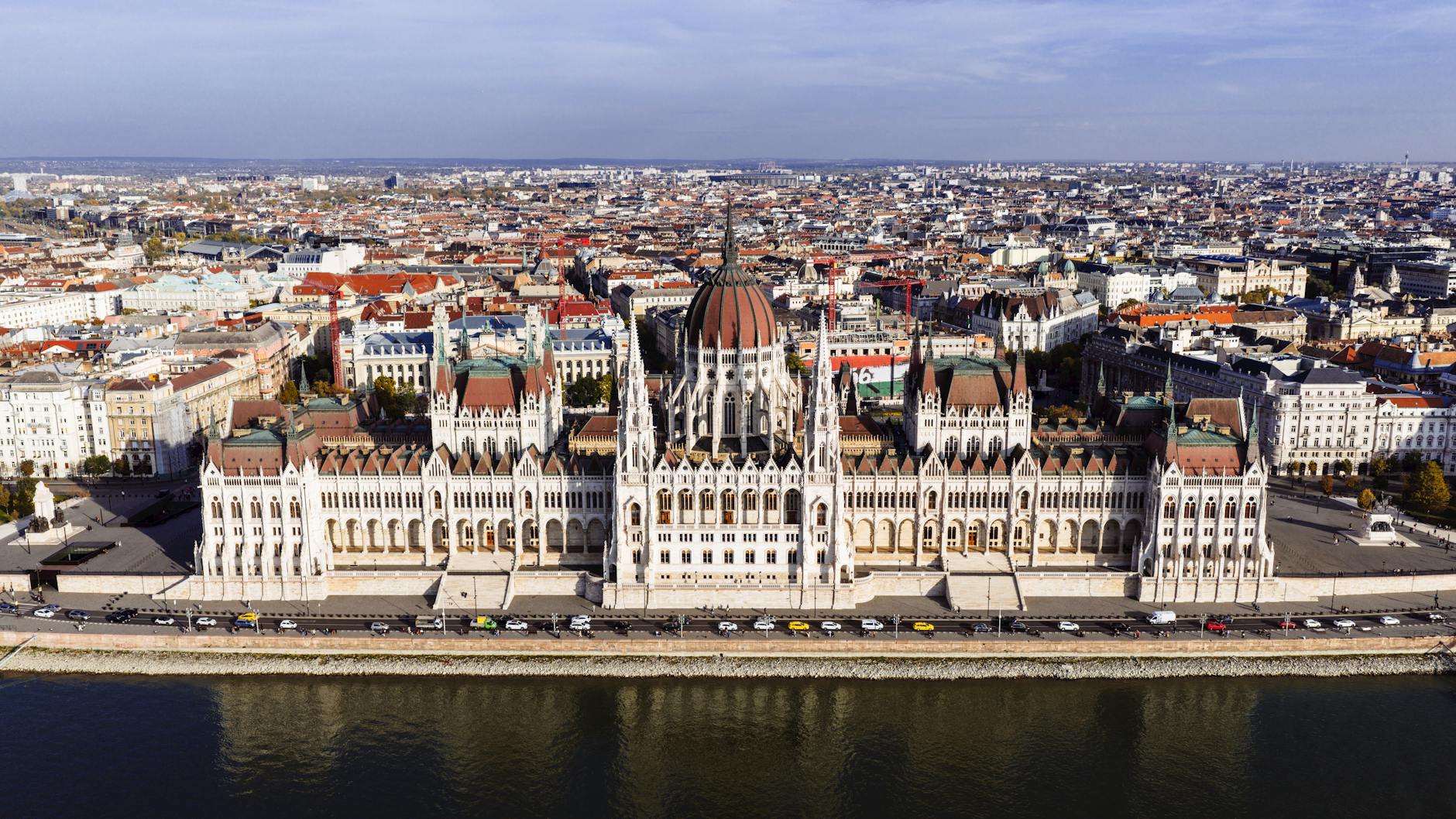
Hungarian Prime Minister Viktor Orban and his far-right Fidesz party suffered a decisive defeat in national elections, ending a 16-year grip on power. Peter Magyar, a former Orban ally who leads the conservative Tisza party, will now assume control of the government.
The election result signals a sharp pivot for Budapest. Magyar has campaigned on a platform of realigning Hungary’s foreign policy, moving away from its close ties with Moscow and toward a deeper integration with the European Union.
A shift in European alliances
Orban’s administration maintained strong support from Russian President Vladimir Putin, while also cultivating alliances with former U.S. President Donald Trump and Israeli Prime Minister Benjamin Netanyahu. Observers now look to Washington and Brussels to gauge the diplomatic fallout from the sudden change in leadership.
Carl Bildt, co-chair of the European Council on Foreign Relations and a former Swedish prime minister, noted that the change in leadership could fundamentally alter regional dynamics, particularly regarding support for Ukraine. The transition promises to test whether Magyar can bridge the long-standing divide between Budapest and Brussels.
Kim Lane Scheppele, a professor at Princeton University, emphasized that the political shift carries deep weight for the internal structure of the Hungarian state. Gabor Scheiring, an assistant professor at Georgetown University in Qatar and a former member of the Hungarian National Assembly, pointed to the magnitude of the voter turnout that fueled the opposition’s victory.
Magyar now faces the immediate challenge of implementing his promised domestic reforms. He must navigate a political landscape long shaped by Fidesz’s institutional influence while attempting to stabilize the nation’s standing within the European bloc. The speed of the transition will likely dictate the administration's early success in domestic policy overhaul.