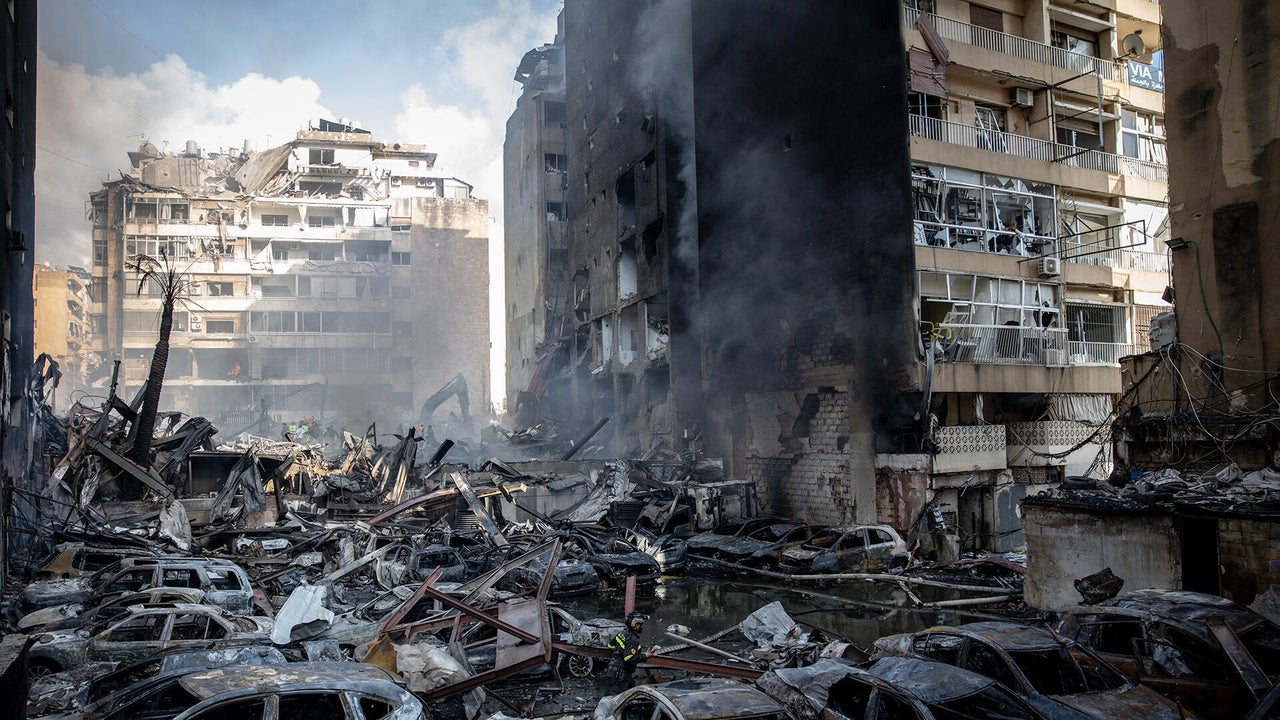
Israeli air strikes pounded Beirut on April 8, causing widespread destruction across the Lebanese capital. The bombardment occurred just hours after Lebanese Prime Minister Nawaf Salam expressed optimism regarding a new ceasefire deal between Washington and Tehran.
Al Jazeera reported that Salam publicly welcomed the de-escalation efforts. However, he maintained a firm stance on national sovereignty, stressing that only Lebanon possesses the authority to negotiate on behalf of the country.
The diplomatic breakthrough between the United States and Iran has also shifted focus toward global energy security. British Prime Minister Keir Starmer warned that significant obstacles remain before the shipping lanes in the Strait of Hormuz can be fully reopened. Complicating these efforts, US President Donald Trump has issued escalating threats toward Iran, including a promise to "wipe out" the country if the Strait is not opened, according to Al Jazeera. Analysts warn that such brinkmanship could backfire on US power in the region.
Diplomatic hurdles in the Gulf
Starmer is currently meeting with Gulf leaders to push for long-term stability in the region. He noted that there is “a lot of work to do” to secure a permanent ceasefire and restore normal maritime traffic through the critical waterway, according to Al Jazeera.
The dual nature of the crisis—combining active military engagement in Lebanon with complex maritime diplomacy in the Gulf—highlights the fragility of the US-Iran truce. While the White House and Tehran have reached a baseline agreement, the violence in Beirut and the intensified rhetoric from Washington suggest that local actors and leaders may not be fully aligned with the broader de-escalation framework.
Global markets are watching the situation closely as diplomatic efforts continue. The British government remains focused on stabilizing energy markets, which have been volatile due to the recent closure of the Strait. For now, the ceasefire acts as a fragile foundation for negotiations that remain in their infancy.