The Kremlin issued a formal statement on Thursday denying reports that Moscow is shipping military drones to Tehran. This response comes after the Financial Times published an article claiming Russia was close to finalizing a drone transfer to its Iranian ally. Russian officials characterized the allegations as outright lies intended to destabilize the region. The denial marks a significant escalation in the information war surrounding the Middle East conflict.
According to the report, the alleged shipment involves advanced unmanned aerial vehicles designed for long-range strikes. The publication suggested the transfer would occur shortly before potential escalation in the Middle East. Moscow has not confirmed any such logistics operations despite the growing conflict. Sources within the intelligence community remain divided on the veracity of these claims.
Tensions have risen significantly since the United States and Israel began attacking Iranian targets in February. Iran has faced sustained pressure from Western powers regarding its nuclear program and regional activities. Russia maintains a close strategic partnership with Tehran but denies direct military intervention. This stance complicates diplomatic efforts to de-escalate the situation in the Persian Gulf.
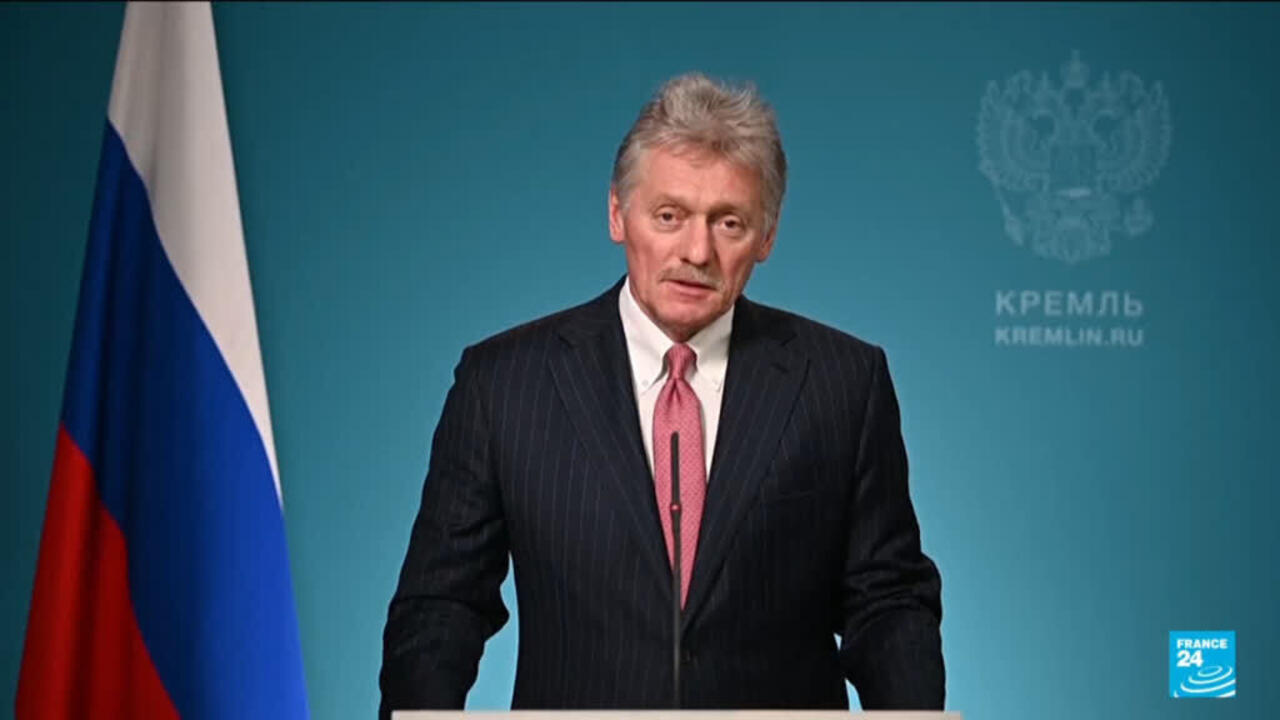
A Kremlin spokesperson told reporters that the claims contradict official positions held by the Russian government. The official stated that no military aid has been sent since the hostilities commenced earlier this year. This denial aims to prevent further diplomatic friction with Washington and European capitals. Officials insist that Moscow respects international law regarding arms transfers.
Previous intelligence assessments indicated that Moscow and Tehran have increased defense cooperation over the past decade. Analysts note that denying specific shipments does not rule out broader strategic alignment between the two nations. The distinction between direct aid and political support remains a key point of contention. Moscow has historically provided technical assistance without crossing red lines.
The Financial Times did not immediately provide evidence to substantiate the specific drone shipment claims. Journalists often rely on anonymous sources when reporting on sensitive military movements between hostile states. Verification of such claims typically requires independent confirmation from multiple intelligence agencies. The lack of concrete proof leaves room for speculation among market analysts.
Regional stability remains fragile as both sides prepare for potential further military engagements in the coming months. Any confirmed transfer of advanced weaponry could alter the balance of power in the Persian Gulf significantly. Neighboring countries are monitoring the situation closely for signs of escalation. Energy markets could react sharply to any confirmation of direct Russian involvement. Oil prices might fluctuate if the conflict expands beyond current boundaries.
International observers will watch for subsequent actions by both Moscow and Tehran in the coming weeks. Diplomatic channels may be utilized to clarify the nature of the relationship between the two states. Continued ambiguity serves strategic interests for all parties involved in the conflict. The UN Security Council may convene an emergency session to address the allegations.
The incident highlights the challenges of verifying military movements in active conflict zones globally. Information warfare plays a significant role in shaping public perception of the ongoing crisis. Governments often use denials to manage domestic and international narratives effectively. Public trust in official statements remains a critical factor in diplomatic relations.
Future developments will depend on whether independent verification emerges regarding the drone allegations soon. The situation underscores the complexity of modern geopolitical alliances and proxy conflicts worldwide. La Era will continue to monitor the situation for further updates. Investors should remain cautious regarding volatility in energy and defense sectors. Global supply chains could face disruptions if shipping lanes become contested.