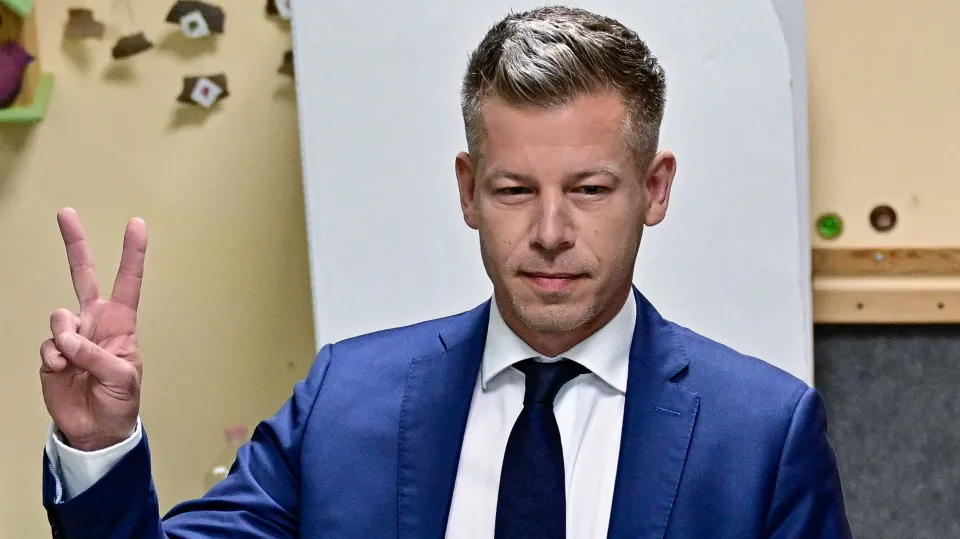
Peter Magyar has been elected the next prime minister of Hungary, decisively ending Viktor Orban’s 16-year tenure. The election results, confirmed Sunday, mark a seismic shift in the nation’s political landscape.
Magyar’s victory arrives with a significant mandate. By securing a two-thirds majority in parliament, his administration gains the legislative power to pursue substantial structural reforms without relying on coalition partners.
A mandate for systemic change
Marton Dunai, the South-East Europe correspondent for the Financial Times, told France 24 that the sheer scale of the victory changes the country's trajectory. According to Dunai, the overwhelming parliamentary support provides the necessary leverage to dismantle the status quo.
“Change is feasible in Hungary,” Dunai said during his appearance on Perspective. He noted that the magnitude of the mandate provides Magyar with the political capital required to implement his campaign promises effectively.
Orban, who has dominated Hungarian politics since 2010, oversaw a period characterized by centralized control and frequent friction with European Union institutions. The transition to Magyar’s leadership ends a lengthy era that reshaped Hungary’s constitutional and media environments.
Analysts are now looking toward how the new government will approach these institutional challenges. With such a robust parliamentary majority, the incoming administration faces high public expectations to deliver rapid policy shifts.
Magyar’s campaign focused on systemic reform and governance transparency. Supporters now expect the new government to move quickly to address the grievances that fueled his rise to power.
International observers are monitoring the transition closely. The shift in leadership in Budapest could signal a major recalibration in Hungary’s relationship with its European partners.