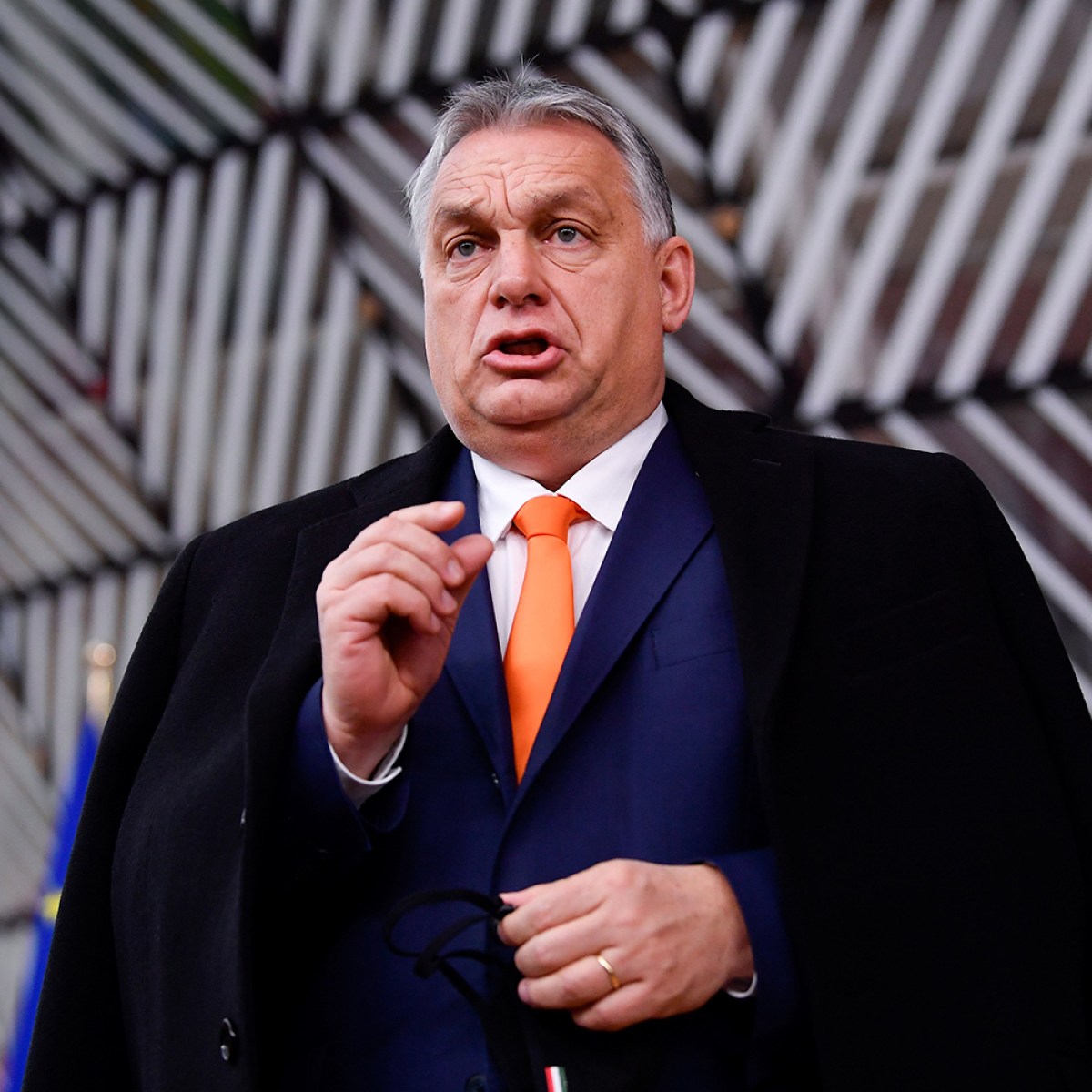
Hungarian Prime Minister Viktor Orban has anchored his re-election campaign on a pledge to maintain low energy costs, positioning himself as the only guarantor against surging utility bills. As the world faces its most severe energy crisis in decades, Orban insists that his administration’s subsidy programs are the only barrier preventing financial ruin for Hungarian households.
Orban’s strategy relies heavily on maintaining a steady flow of Russian gas. Hungary remains one of only two European nations currently exempted from broader European Union mandates intended to phase out reliance on Moscow’s energy imports. This policy has deepened the divide between Budapest and Brussels, as the Prime Minister maintains his distinct energy path.
A strategy of isolation
While the European Union pushes for a unified energy strategy to move away from Russian dependency, Orban has doubled down on his bilateral agreements. His government argues that domestic stability takes precedence over collective EU standards.
Critics point out that the reliance on Russian energy leaves the country vulnerable to geopolitical shifts. Despite these warnings, Orban continues to signal a preference for external alliances outside of the EU framework. He has increasingly looked toward the United States, seeking political alignment that might provide him with leverage against pressure from European institutions.
Campaign messaging from the incumbent camp warns voters that a change in leadership would lead to the immediate removal of price supports. By framing the election as a choice between economic security and unaffordable power, the Prime Minister aims to consolidate his base during a period of global market volatility.
Whether this strategy will hold under continued international pressure remains the central question of the race. For now, the administration shows no sign of pivoting away from its current energy policy as the election date approaches.