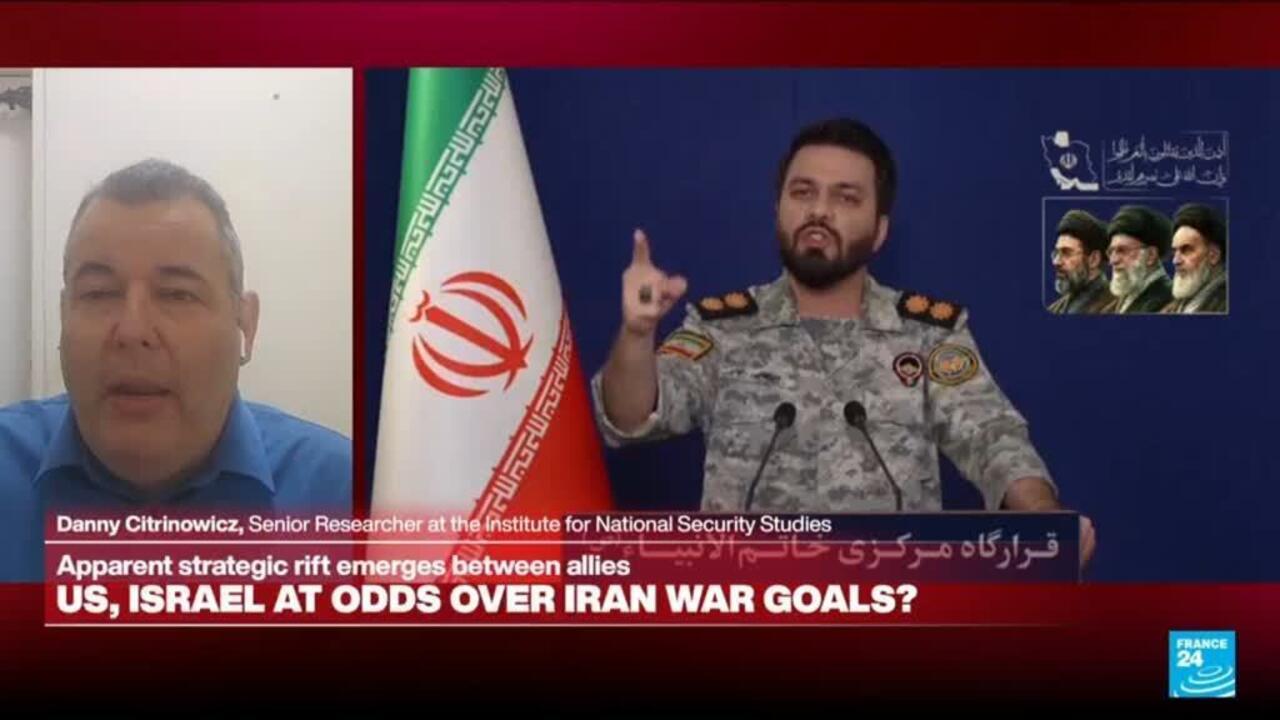
Tehran asserts that the era of direct war has conclusively concluded, signaling a firm refusal to capitulate to external pressure from Western powers. The Iranian leadership interprets its continued survival as a strategic victory against overwhelming odds and military asymmetry. This stance directly challenges the United States administration's expectations regarding regional leverage and diplomatic influence.
Danny Citrinowicz, a senior researcher at the Institute for National Security Studies, provided detailed analysis on the trajectory of the conflict. He argues that battlefield dominance does not solely determine the ultimate outcome of such complex geopolitical struggles. Competing perceptions of resilience and legitimacy now define the negotiation landscape between the adversaries.
Despite American military asymmetry, the Iranian regime views endurance as a form of strategic success in the current climate. This perspective reinforces their bargaining position in ongoing diplomatic discussions and regional negotiations. Consequently, the likelihood of a near-term resolution diminishes significantly under current conditions.
France24 reported on the shifting dynamics between Washington and Tehran during recent heightened tensions. The publication highlights how the Trump administration's approach has been misinterpreted by Tehran officials regarding intent. Misalignment in strategic goals continues to fuel regional instability and uncertainty.
Economic sanctions remain a primary tool for the United States to exert pressure on the Islamic Republic effectively. However, Tehran has developed mechanisms to mitigate the impact of these financial restrictions on its economy. This resilience complicates efforts to achieve compliance through economic means alone.
Cyber operations and military actions continue to characterize the relationship between the two nations significantly. Iran has demonstrated capabilities in digital infrastructure that challenge Western security assumptions directly. These activities serve as a proxy for broader geopolitical competition in the Middle East region.
Regional allies monitor the situation closely as potential escalation could disrupt global energy markets substantially. Oil prices often react to perceived instability in the Persian Gulf region and shipping lanes. Investors remain cautious regarding supply chain vulnerabilities linked to the conflict.
Future diplomatic efforts will likely face significant hurdles given the current hardline positions held by both sides. Both sides appear entrenched in their respective narratives regarding sovereignty and national security interests. Continued monitoring of military movements is essential for international stakeholders and analysts.
The Institute for National Security Studies suggests that psychological factors outweigh physical ones in this standoff. Public perception of strength often dictates the willingness to compromise in international relations and negotiations. This dynamic suggests a prolonged period of tension without immediate de-escalation.
La Era will continue to track developments as the situation evolves in the coming months and years. Observers should watch for any shifts in rhetoric from key political figures in Washington and Tehran. The implications for global security architecture remain substantial and far-reaching for all nations.