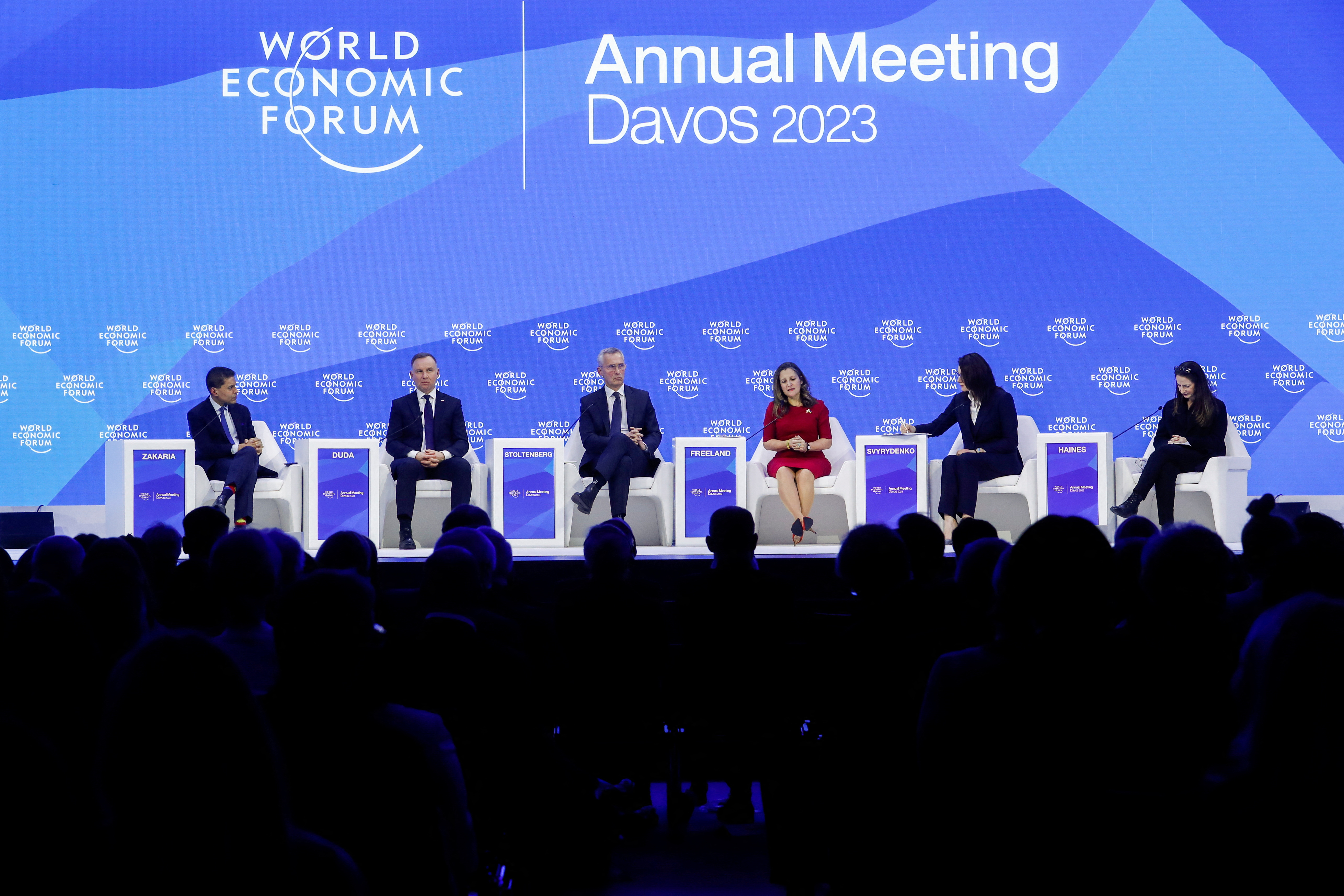
The 56th Annual Meeting of the World Economic Forum concluded in the Swiss Alps this January, marked by a disconnect between the event’s theme, “A Spirit of Dialogue,” and the fractured reality of global diplomacy. While organizers aimed to position the forum as a neutral ground for cooperation, the gathering struggled under the weight of international tensions.
According to the Global Risks Report released at the event, geoeconomic confrontation replaced environmental threats as the most immediate concern for the 1,300 leaders surveyed. Although ecological issues remained the most severe long-term dangers, they were relegated from the main stage during the proceedings.
The forum’s convening power faced significant hurdles due to the absence of key figures. The Iranian Foreign Minister had his invitation revoked, while Israeli Prime Minister Benjamin Netanyahu did not attend due to concerns over International Criminal Court warrants. As one observer stated, “The forum’s convening power was tested not by who attended, but by who did not—and why.”
Geopolitics and the AI Shift
Geopolitical friction, particularly regarding transatlantic relations, dominated the discourse. The presence of U.S. President Donald Trump drew significant attention, though his decision to step back from threats concerning Greenland provided a temporary sense of relief for European leaders. Despite this, experts at the IMD noted that Trump’s disregard for multilateral norms left participants grappling with persistent uncertainty.
Artificial intelligence emerged as the secondary focus of the meeting. The topic occupied significant space within the Congress Center and among tech firms along the promenade. Executives used the forum to debate how to translate massive AI investments into measurable corporate value and how the technology will reshape workforce structures.
While sustainability and inclusion were largely absent from the plenary sessions, some participants attempted to reframe these topics through the lens of business strategy and long-term economic performance. Ultimately, the event highlighted the difficulty of maintaining a unified global dialogue in an era defined by diplomatic disruption and shifting power dynamics.