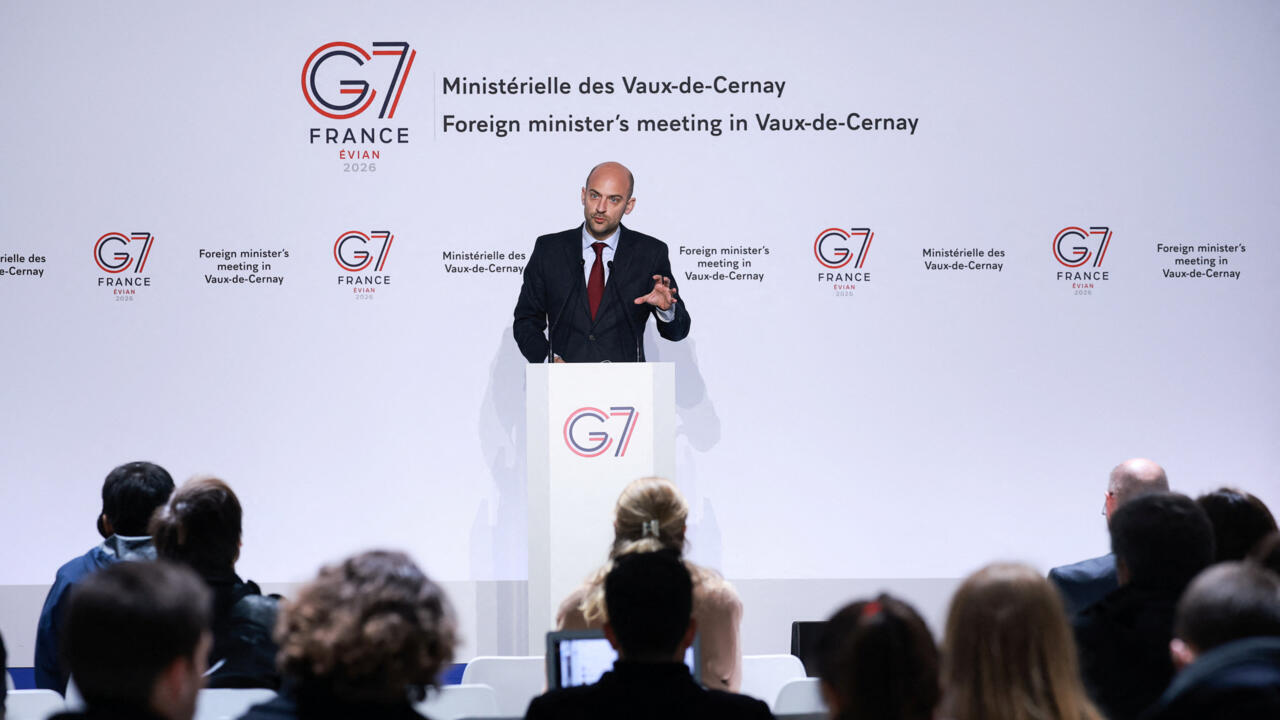
G7 foreign ministers convened outside Paris on Thursday to address escalating tensions in the Middle East. France’s foreign minister Jean-Noël Barrot stated the group aims to create conditions for lasting peace. The summit seeks to narrow differences with the United States regarding the ongoing war. Officials hope to stabilize the region while managing broader global economic risks.
The two-day conference took place at the Vaux-de-Cernay Abbey in the French countryside. European allies and emerging markets joined the seven leading industrialized democracies. Participants included representatives from Brazil, India, Ukraine, Saudi Arabia, and South Korea. This expansion marks a shift from the traditional G6 summit held in 1975.
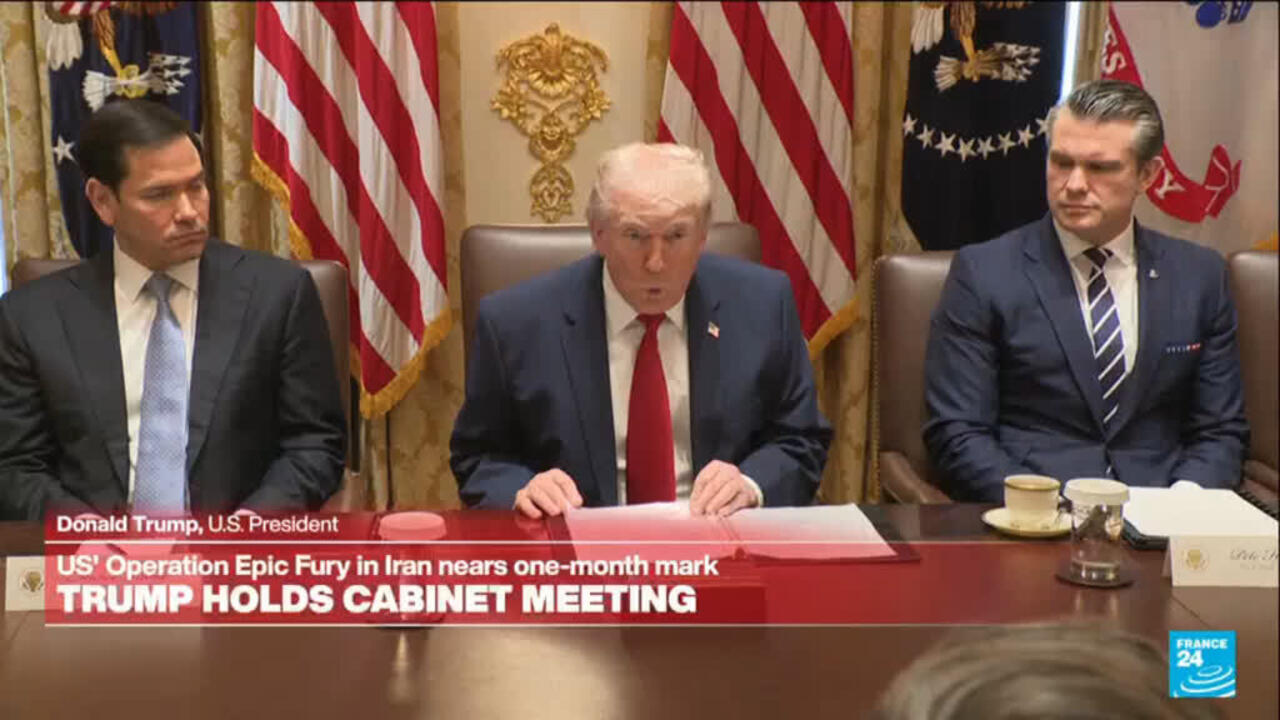
Tensions arose after President Donald Trump threatened to unleash hell on Iran if a deal is not accepted. US Secretary of State Marco Rubio will join the talks on the second day. European diplomats expressed unease regarding the potential for military escalation. Washington claims to be speaking to a top person within Iran’s clerical system.
German Finance Minister Lars Klingbeil complained that Trump’s policies are hitting Germany’s economy. He cited misguided policies in the Middle East as a contributing factor to economic strain. France plans to host a separate meeting on energy and inflation issues next week. Finance Minister Roland Lescure confirmed the convergence of energy and economic issues.
Barrot emphasized that support for the Ukrainian resistance would continue despite the Middle East focus. British Foreign Minister Yvette Cooper voiced concern that the war shifted focus from the Gaza peace plan. Violence in the occupied West Bank remains a high priority on the agenda. All G7 nations remain close US allies without unambiguously offering support for the assault.
France aims to address major global imbalances that explain current levels of tension. The origins of the G7 date back to the first summit held in the nearby Chateau de Rambouillet. Broadening the scope involves key emerging markets to manage rivalry consequences. Barrot noted concrete consequences for fellow citizens regarding these global imbalances.
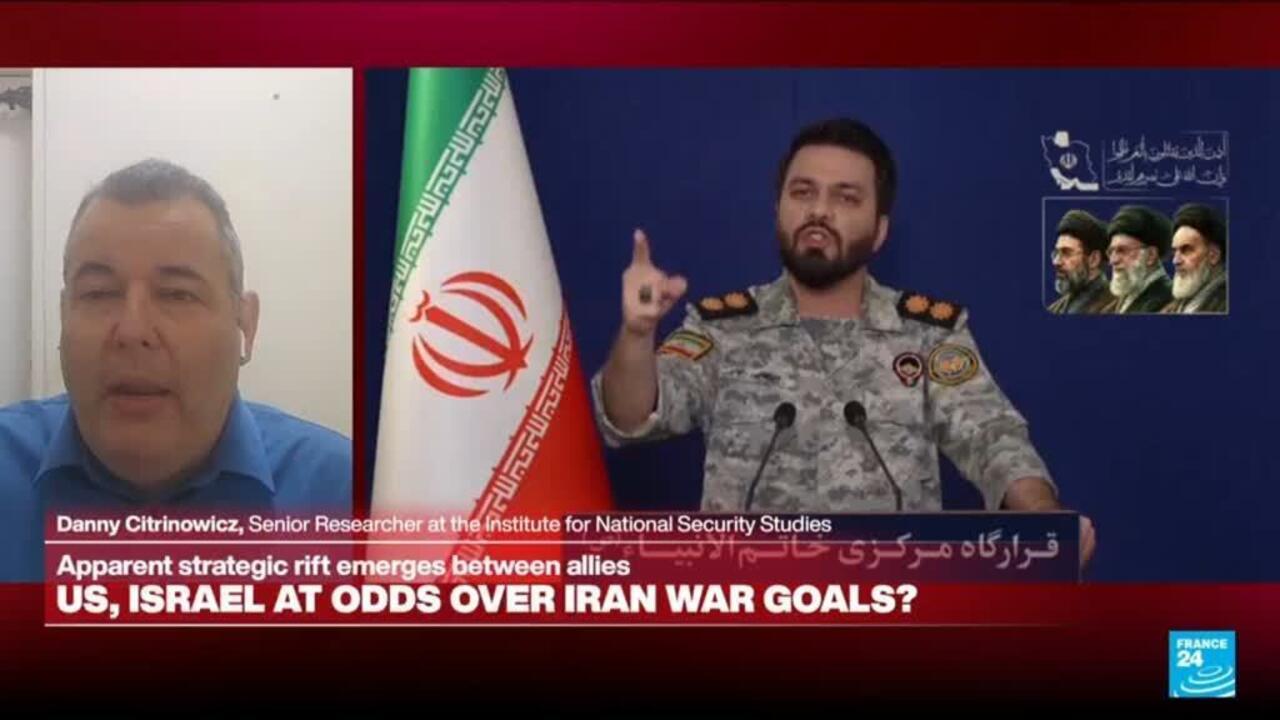
Iran state TV reported that Tehran rejected a peace plan conveyed through Pakistan. European allies have not engaged militarily and call for de-escalation instead. The outcome of these talks will influence global energy markets and trade stability. Trump is holding back on hitting Iranian energy facilities amid purported talks.
The meeting highlights the friction between American unilateralism and European multilateralism. Economic convergence issues regarding inflation and energy will be addressed separately. Analysts warn that continued divergence could impact global financial markets significantly. The situation requires careful management to prevent further geopolitical instability.