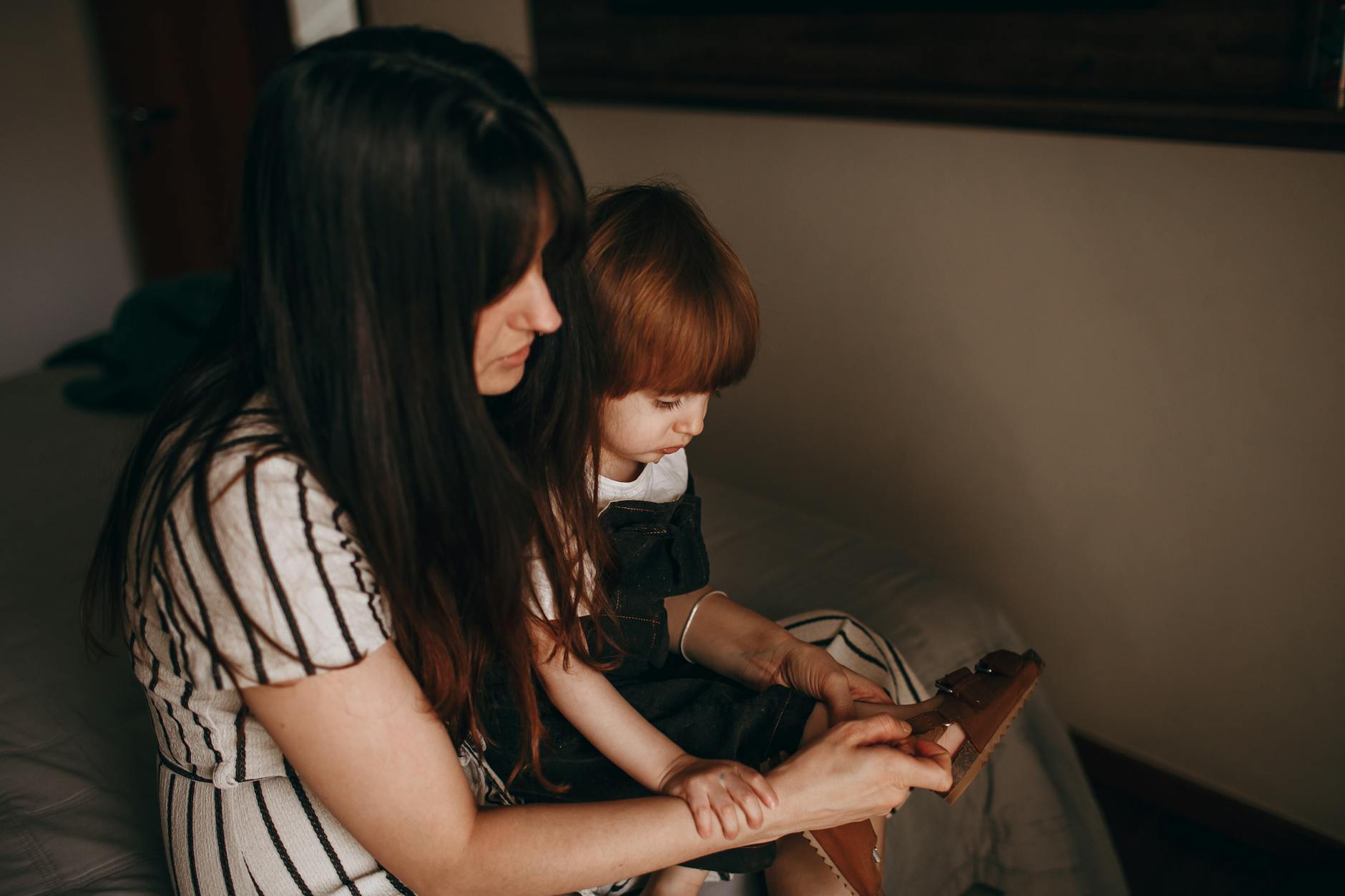
Martha Ongwane, a 33-year-old mother in Mzuzu, Malawi, recently shared the harrowing reality of raising a child with autism in a country where the condition is widely misunderstood and heavily stigmatized. Just two years ago, overwhelmed by her daughter Rachael’s non-verbal behavior and the isolation imposed by her neighbors, Martha reached a breaking point.
"I told myself it would be better if she died because that would mean she would rest and that would be the end of our problems," Martha said. She admitted to preparing poison for her daughter, only to stop at the last moment.
In Malawi, the lack of medical infrastructure makes life difficult for families like the Ongwanes. The country, with a population of over 22 million, relies on only two developmental paediatricians and three consultant psychiatrists. Furthermore, the Chichewa language lacks a specific term for autism, often labeling children as "troublesome" or "mentally challenged."
Bridging the care gap
The transformation for the Ongwane family began with a referral to Saint John of God, a Catholic-funded organization that provides mental health services and special education. Through the program, Martha and her husband received counseling and practical strategies to manage Rachael’s needs, turning a situation of despair into a stable home life.
Christopher Mhone, an advocate with Saint John of God, argues that the state bears responsibility for the suffering of families who have nowhere to turn. "For a woman to come to a point where she feels like she should kill her child, as a nation we have failed her," Mhone said.
Saint John of God is now working to combat the pervasive belief that autism is caused by witchcraft. By hosting awareness sessions for religious leaders—both Christian and Muslim—the organization aims to replace superstition with the understanding that autism is a neurodevelopmental disability requiring medical and behavioral support.
While the organization provides a lifeline for those within reach, Mhone noted that the majority of autism support in Malawi remains concentrated in the non-governmental sector. Without broader systemic changes, thousands of families continue to navigate the condition without resources or community support.