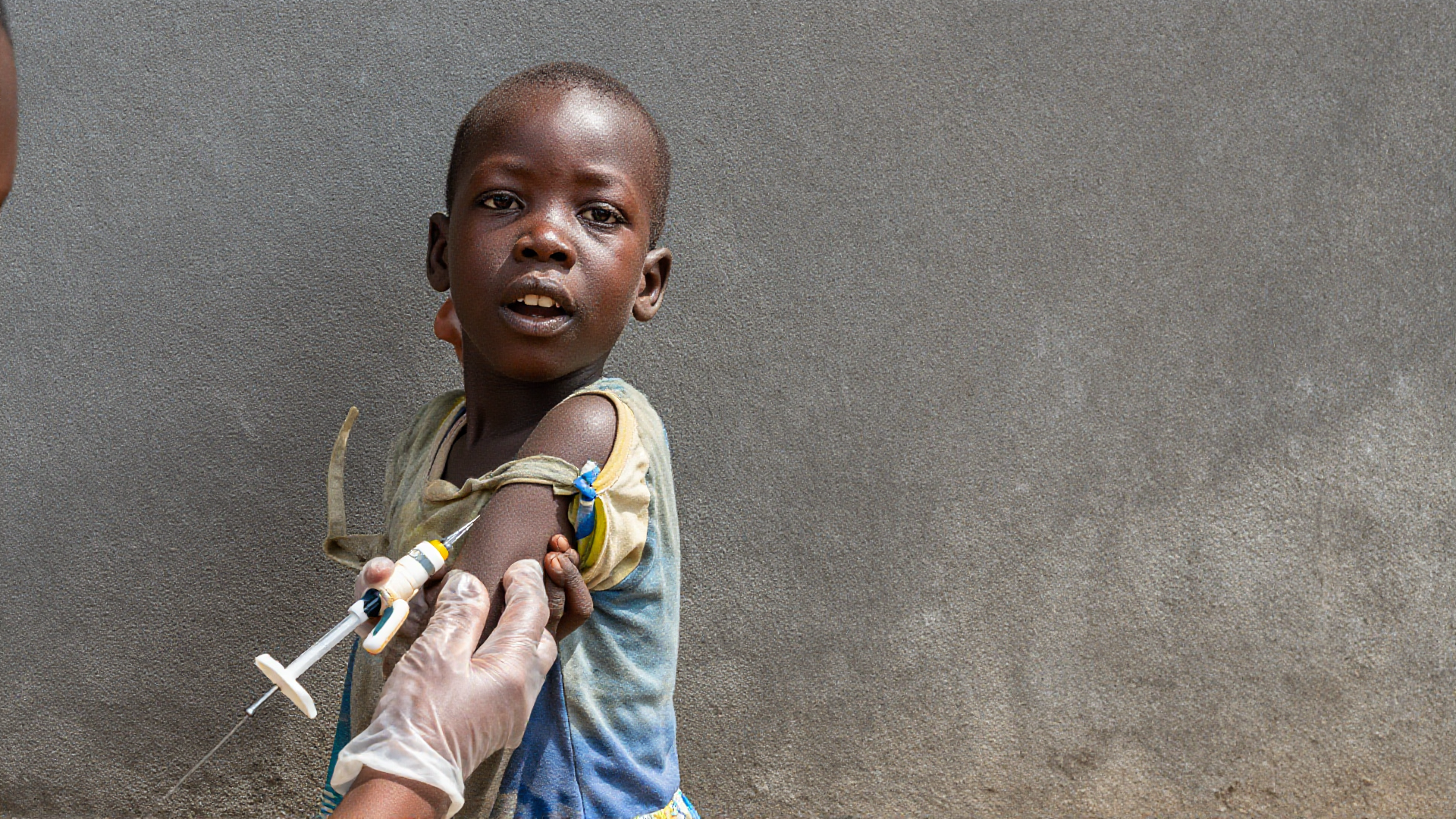
Ghana is demonstrating the profound potential of new malaria vaccines, achieving significant reductions in child mortality rates that approach the long-sought goal of disease control. Data from the nation’s health service, supported by international aid consortium Gavi, indicates that confirmed deaths among children under five have plummeted by nearly 86% since the introduction of vaccines developed by GSK and Oxford University/Serum Institute of India.
These localized successes, where the combination of vaccines with existing interventions like insecticide-treated nets proved a "master stroke," are crucial. Malaria remains a catastrophic health challenge, claiming hundreds of thousands of young lives annually across Africa. Health officials note that even partial efficacy, estimated by the WHO at over 50% reduction in cases after three doses, translates into substantial real-world lives saved, as evidenced by Ghana's drop from 245 under-five deaths in 2018 to just 35 in 2024.
Despite this clear clinical validation, the global rollout faces an immediate fiscal challenge. Gavi, the sole current purchaser of these vaccines for African nations, projects a $2.9 billion overall funding gap for the next five years. Internal estimates suggest this shortfall translates to an $800 million allocation for malaria shots—28% less than required—potentially leading to an estimated 19,000 preventable deaths due to lower vaccination rates.
The geopolitical dimension of this funding crunch is sharp. The United States, historically a major contributor, has signaled a significant reduction in support to Gavi, linked to policy disputes over vaccine preservatives like thimerosal, despite scientific consensus affirming vaccine safety. Simultaneously, Britain, Gavi’s largest donor, has pledged funding that represents a real-terms decrease compared to the preceding five-year period.
Experts caution that sub-Saharan Africa presents unique hurdles for malaria elimination, including resource-strained health systems, drug resistance, and epidemiological complexity. While pilot programs have expanded to 24 countries, vaccine uptake remains uneven, ranging from over 70% in Ghana to as low as 35% in conflict-affected South Sudan, highlighting logistical and societal barriers to consistent multi-dose immunization schedules.
The narrative emerging is one of a critical scientific opportunity colliding with fiscal austerity and shifting political priorities among key Western donors. The success seen in Accra serves as a powerful benchmark, yet the continent’s ability to capitalize on this medical advance hinges on bridging the widening gap between vaccine promise and accessible financial resources.
(Source: Based on reporting from Reuters and data provided by Gavi and the Ghanaian Health Service.)