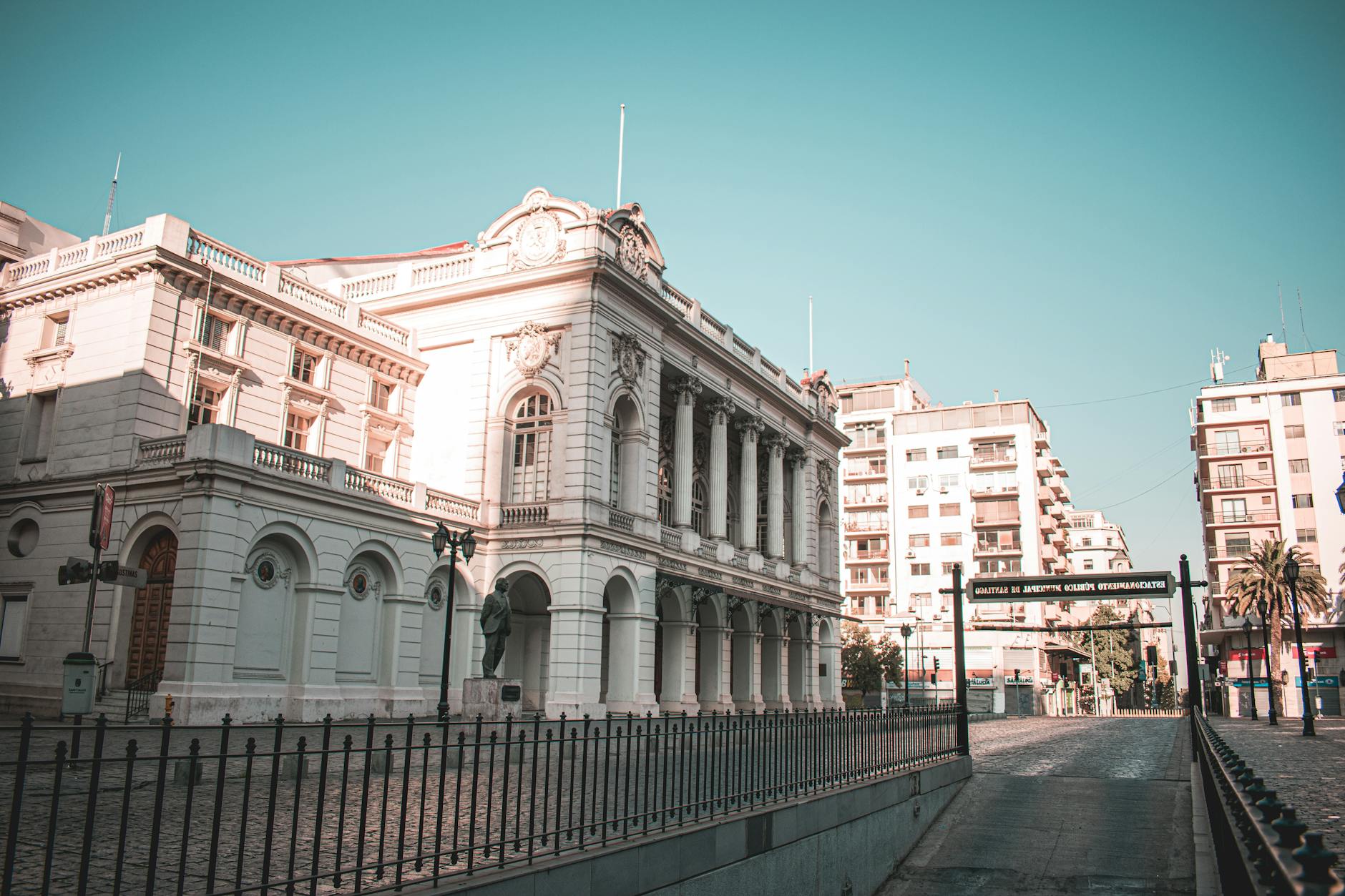
This week, 100 women leaders from various decision-making sectors in Chile gathered at the Teatro Municipal de Santiago for “Diálogos 2026: Leadership, Women, and Cancer.” The summit, organized by the Cancer Observatory, aimed to foster a multi-sector dialogue regarding the urgent challenges facing women across the country.
The event brought together ministers, members of parliament, physicians, researchers, academics, mayors, international representatives, community leaders, executives, and journalists. According to reportelmostrador.cl, the central objective was not to focus solely on the clinical aspects of health, but to examine the progression of the disease through a holistic lens.
The core message of the summit was that the trajectory of cancer in women does not depend exclusively on the healthcare system. The discussion highlighted that the disease is shaped by real opportunities for prevention, access to screenings, and the actual time available for self-care.
Furthermore, participants identified working conditions, place of residence, and the practical ability to access timely care as decisive factors. The event underscored that cancer serves as a reflection of the social, economic, and regional inequalities currently affecting the female population.
Statistics presented during the session reveal the magnitude of the crisis in Chile: approximately 27,000 women receive a cancer diagnosis each year. Of this total, more than 14,000 women die annually from the disease.
To confront this reality, the summit emphasized that the decisions capable of altering this trajectory must be made through coordinated action. This requires the integration of policy, science, business, media, local government, academia, and civil society.
The challenge posed by participants is to transform this conversation into meaningful cross-sector collaboration. The final consensus highlighted that, in the face of the impact of cancer, no single sector of society can respond in isolation.