Scientists at the University of Aarhus have developed a new method to repurpose discarded plastic gloves, turning them into high-performance filters that capture carbon dioxide emissions. The breakthrough offers a dual solution to two of the world's most pressing environmental challenges: the accumulation of non-recyclable plastic waste and the urgent need to reduce atmospheric greenhouse gases.
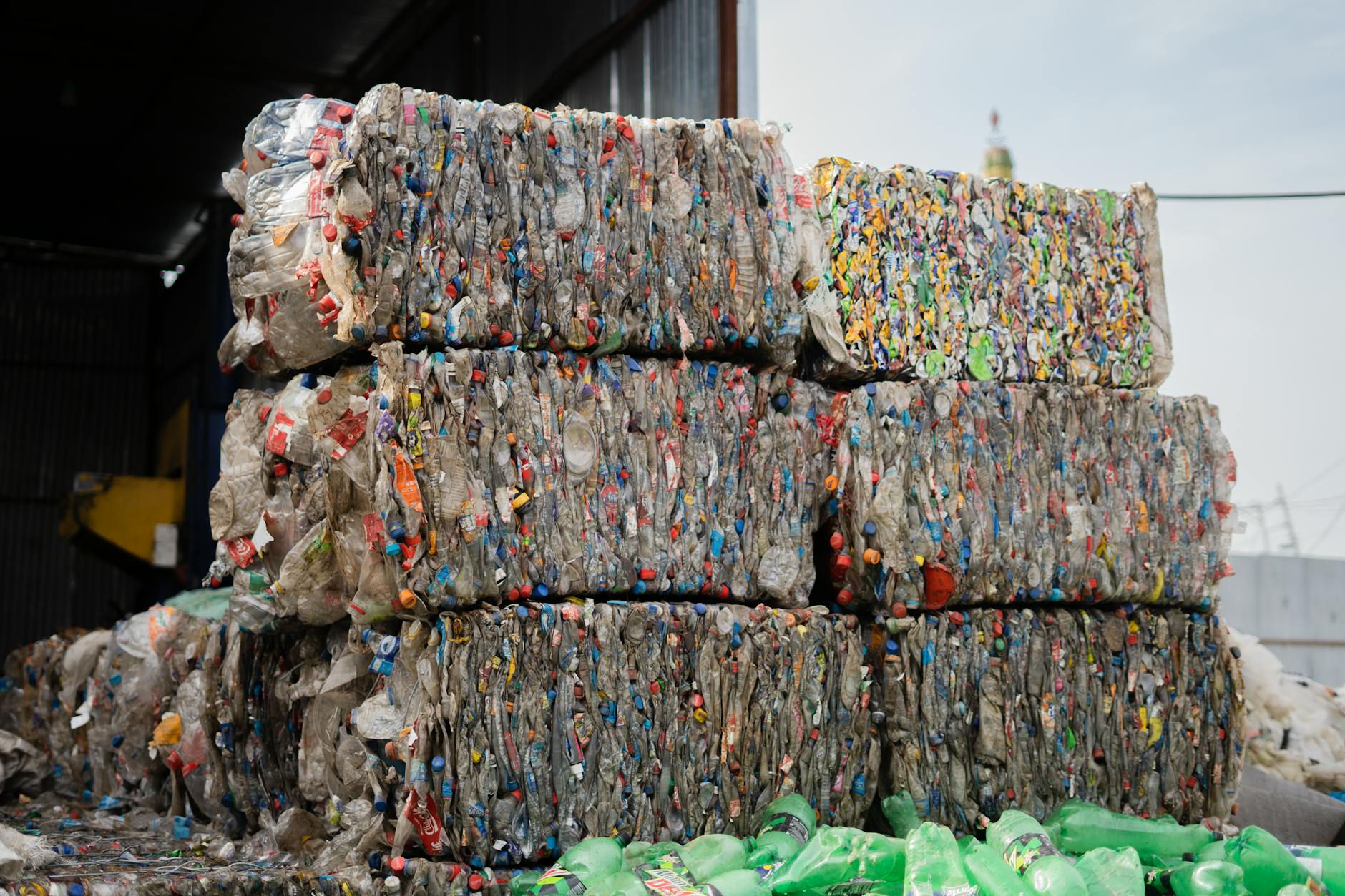
Plastic pollution currently accounts for 80 percent of all marine debris, with approximately 14 million tons entering the oceans annually. Much of this material is considered impossible to recycle through traditional means, frequently leading to incineration or landfill disposal.
Turning waste into filters
The research team, led by scientist Simon Kildahl, bypasses conventional waste management by transforming the molecular structure of the plastic. The process involves shredding the gloves into small pieces and treating them with a ruthenium and hydrogen catalyst. This creates a material that successfully traps CO2 from simulated flue gases in lab-controlled environments.
"The product is capable of capturing CO2 from gases in the laboratory," Kildahl said. Researchers believe this technique could eventually be installed directly into the chimneys of power plants to intercept emissions before they reach the atmosphere.
One of the most promising aspects of the material is its regenerative nature. When heated, the material releases the captured gas, which can then be stored underground or repurposed for industrial use. Once the gas is released, the plastic-based medium is ready for a new cycle of filtration.
This technology aligns with the UN Intergovernmental Panel on Climate Change (IPCC) goal to remove between 5 and 16 billion tons of CO2 from the atmosphere annually by 2050.
The project is currently in the laboratory phase, rated between 3 and 4 on a 9-point scale used to measure commercial readiness. Kildahl expressed confidence that the team is on the right path, aiming to reach level 5 or 6 in the near future.
"It is very possible that we can reach that level in the near future," Kildahl noted. The next phase of development will focus on optimizing the reaction’s economy and improving the material's performance parameters to ensure it can be scaled for industrial application.