The 2026 FIFA World Cup, spanning 16 cities across the United States, Canada, and Mexico, is set to begin on June 11 and conclude on July 19. Featuring an expanded pool of 48 teams, the tournament returns to Mexico 40 years after the 1986 games, yet the event is shaping up to be a domestic consumption phenomenon rather than a travel-heavy one. According to the Kueski study 'México 2026: el verano donde se cruzan el consumo y el deporte,' 60% of Mexican consumers intend to follow matches from home or in social gatherings, while only 1% plan to attend a stadium.
Economic barriers are the primary driver for this shift. Data from Olympics.com indicates that official ticket prices are prohibitive for many, with opening match tickets reaching $1,825 in category 1 and final tickets peaking at $6,730. Even group stage matches range from $82 to $482, excluding the significant additional costs of international travel, lodging, and local transit. Consequently, the tournament is driving home-centered spending, with 23% of fans planning to invest in food and beverages and 14% budgeting for new television hardware or streaming devices.
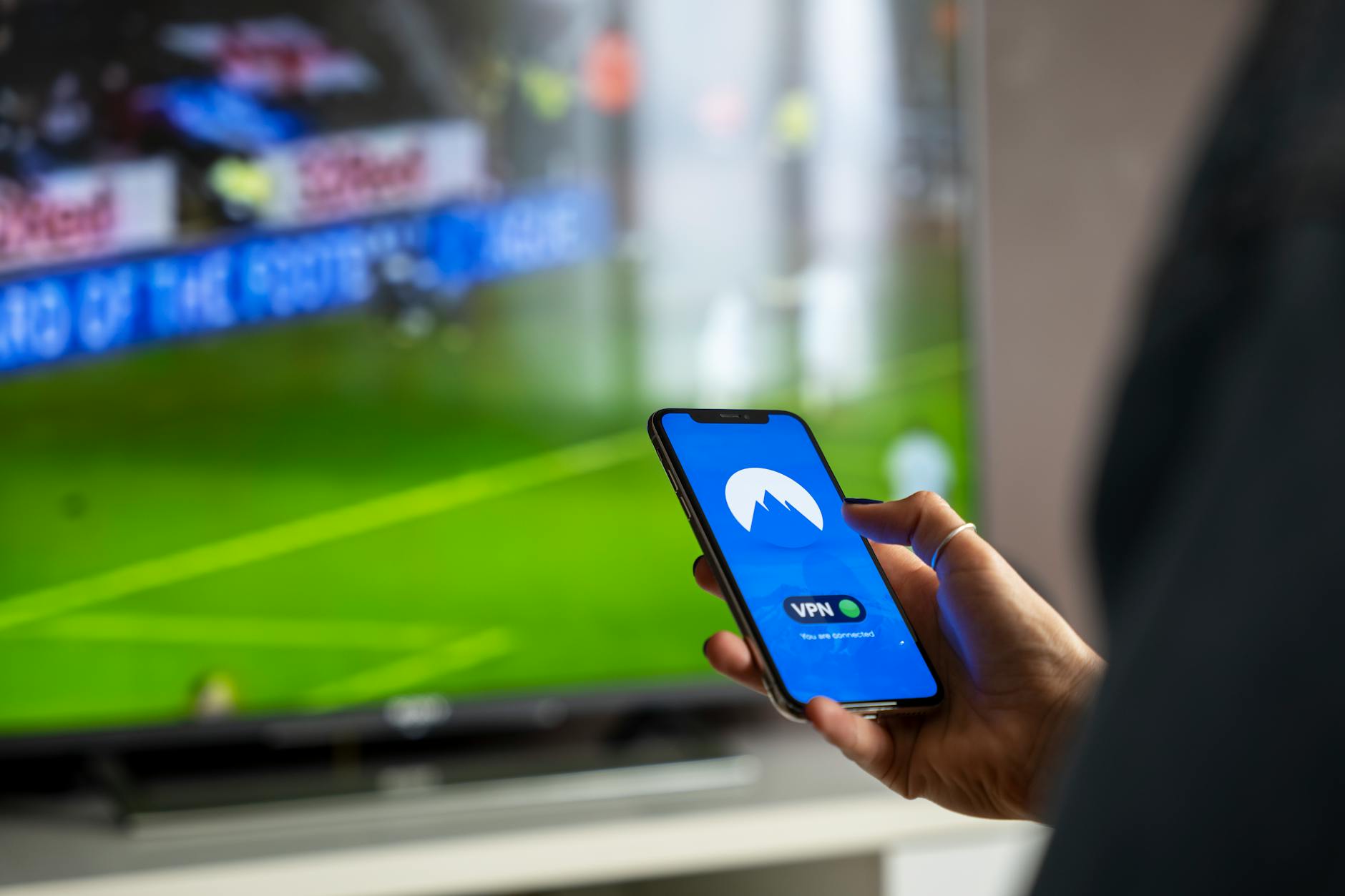
As the audience migrates to the living room, technical expectations for home displays have risen. The 'Estudio de Hábitos de los Usuarios de Internet 2026,' produced by Asociación Internet MX and Offerwise, reports that 65% of viewers will rely on traditional or Smart TVs to follow the action. To support this, viewers are being advised on how to optimize their hardware for high-speed sports broadcasts.
Fayerwayer reports that users must manually calibrate their OLED, QLED, or LED panels to avoid visual artifacts common in high-speed sports. Experts warn against the industry-standard 'Sports Mode,' which often pushes color temperatures toward artificial blues and obscures detail in player uniforms. Instead, technicians recommend a custom calibration: setting motion interpolation to a manual mode with low de-judder (levels 2 or 3) and intermediate de-blur (levels 7 or 8). This configuration is intended to maintain the fluidity of the signal's native 60 frames per second without introducing digital halos or the 'telenovela effect' around the ball.
While the tournament will feature 16 venues across North America—ranging from Atlanta’s 75,000-capacity stadium to sites in Vancouver and Guadalajara—the physical experience remains inaccessible to the majority. With the tournament reaching its final stages in mid-July, the focus for most fans remains on the intersection of digital convenience and high-definition home setups. The event underscores a broader trend where the scale of global sports is increasingly mediated through personal technology rather than physical attendance.