American workers are facing a mounting financial crisis as surging fuel costs make daily commutes and required business travel prohibitively expensive. A report published May 10, 2026, by CNN Business highlights how the rapid rise in gasoline prices—driven by the ongoing conflict involving the U.S., Israel, and Iran—is eroding wage gains for employees who rely on personal vehicles for their livelihoods.
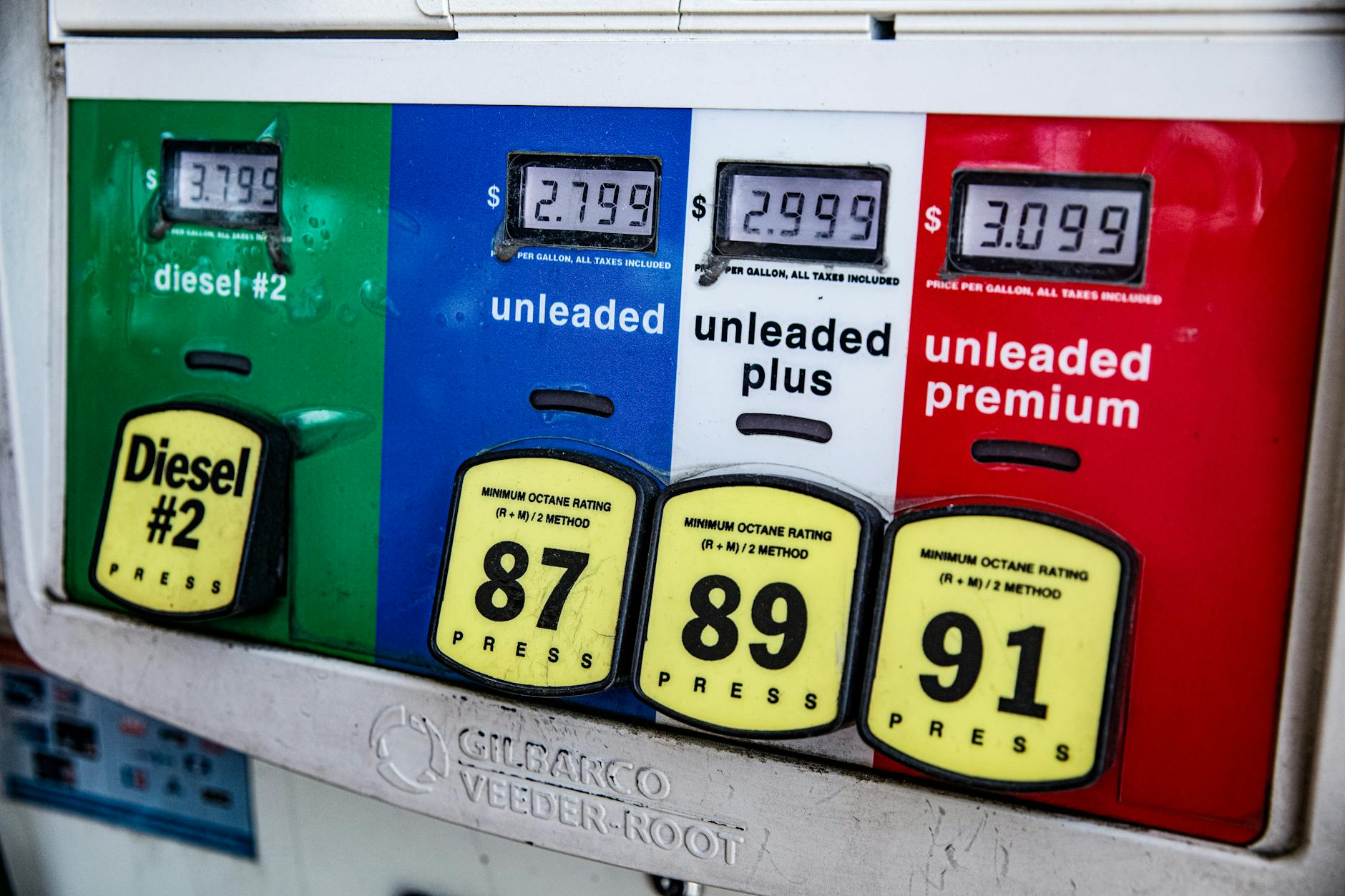
Stephen Kaledecker, a regional manager for a hotel chain based in Gahanna, Ohio, serves as a primary example of this economic strain. Following a promotion in December, Kaledecker’s responsibilities expanded to include regular travel across Ohio, Indiana, and Illinois. With gas prices now exceeding $5 per gallon, his monthly fuel expenditures have surpassed $1,000.
Kaledecker’s employer does not provide mileage reimbursement for his new role, leaving him to absorb the full cost of his professional travel. Consequently, the salary increase associated with his promotion is insufficient to cover the added transportation overhead, resulting in a net financial loss for the employee despite his increased responsibility.
“It’s literally going to break me,” Kaledecker told CNN, describing the severe emotional distress caused by the financial burden of his work-related trips. He noted that the pressure of maintaining his job under these conditions has become unsustainable.
This situation has effectively created a professional dead end for Kaledecker and others in similar positions. Because his previous role at a hotel in Ohio has already been filled, he cannot easily revert to his former position. He now faces the difficult choice of abandoning a career path he enjoys or continuing in a role that threatens his personal financial solvency.
Kaledecker’s experience underscores a broader trend where volatile energy markets dictate the feasibility of American employment. As geopolitical tensions in the Middle East continue to disrupt global oil supplies, the cost of maintaining a traditional commute has transitioned from a routine expense to a significant barrier to career growth. For many workers, the financial reality of getting to work is now a primary factor in determining their long-term economic security.