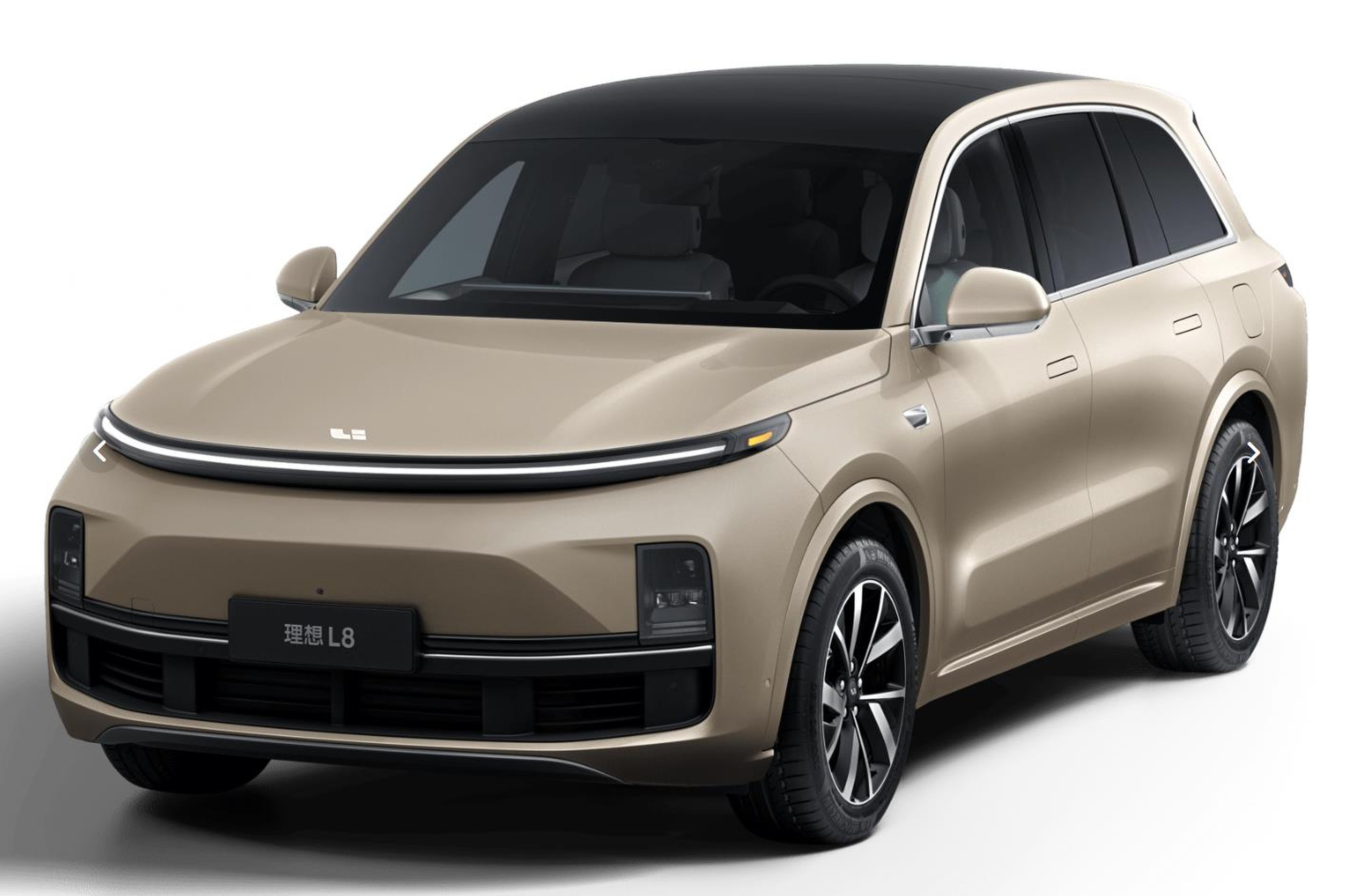
Chinese electric vehicle manufacturer Li Auto has publicly ridiculed Volkswagen following the launch of the ID.Era 9X, the German automaker’s first extended-range electric vehicle (EREV) designed specifically for the Chinese market. The public rebuke highlights a significant strategic reversal for Volkswagen in one of the world's most competitive automotive sectors.
In a stinging statement, Li Auto mocked the German giant’s entry into the segment. “Congratulations to Volkswagen for managing to mass-produce, in just six years, an obsolete technology that is very unfriendly to the environment and has little development potential,” the company wrote in a post regarding the launch.
A pivot from past criticism
The friction stems from comments made by Volkswagen executives in 2020. At that time, leadership in China dismissed EREV technology, claiming it offered limited growth potential and failed to meet environmental standards. The ID.Era 9X, however, utilizes a familiar 1.5-liter EA211 turbo engine—a staple in various Volkswagen and Audi models—to power its electric drivetrain.
This technology shift reflects a broader struggle for Western legacy brands to keep pace with Chinese consumer preferences. Li Auto has long championed the EREV format, which uses a gasoline engine solely to generate electricity for electric motors. In 2021, Li Xiang, the head of the Chinese firm, noted that the sales of his company's flagship SUV had already surpassed the combined monthly volume of five different Volkswagen SUV models in China.
Volkswagen has attempted to maintain a diplomatic tone in response to the criticism. A vice president of sales and marketing for SAIC-Volkswagen acknowledged the pressure from local competitors, stating that industry progress relies on the collective effort of all participants. Despite this measured response, the company’s pivot to a technology it once criticized remains a focal point for analysts.
Market data underscores the gravity of the shift. EREVs accounted for approximately 6% of the total Chinese vehicle market in 2025, maintaining consistent growth. As consumer demand for range-extending solutions increases, other manufacturers are also adjusting their roadmaps. Even brands like smart, which previously focused exclusively on battery-electric vehicles, have begun incorporating similar solutions into their lineups.
For Volkswagen, the transition represents a broader challenge in market agility. While the ID.Era 9X marks its first foray into this space in China, the company is not expected to deploy similar technology in the United States until 2027 through its Scout brand. Audi is currently evaluating the platform for its own future models, signaling that the German group is now playing catch-up in a segment it once sidelined.