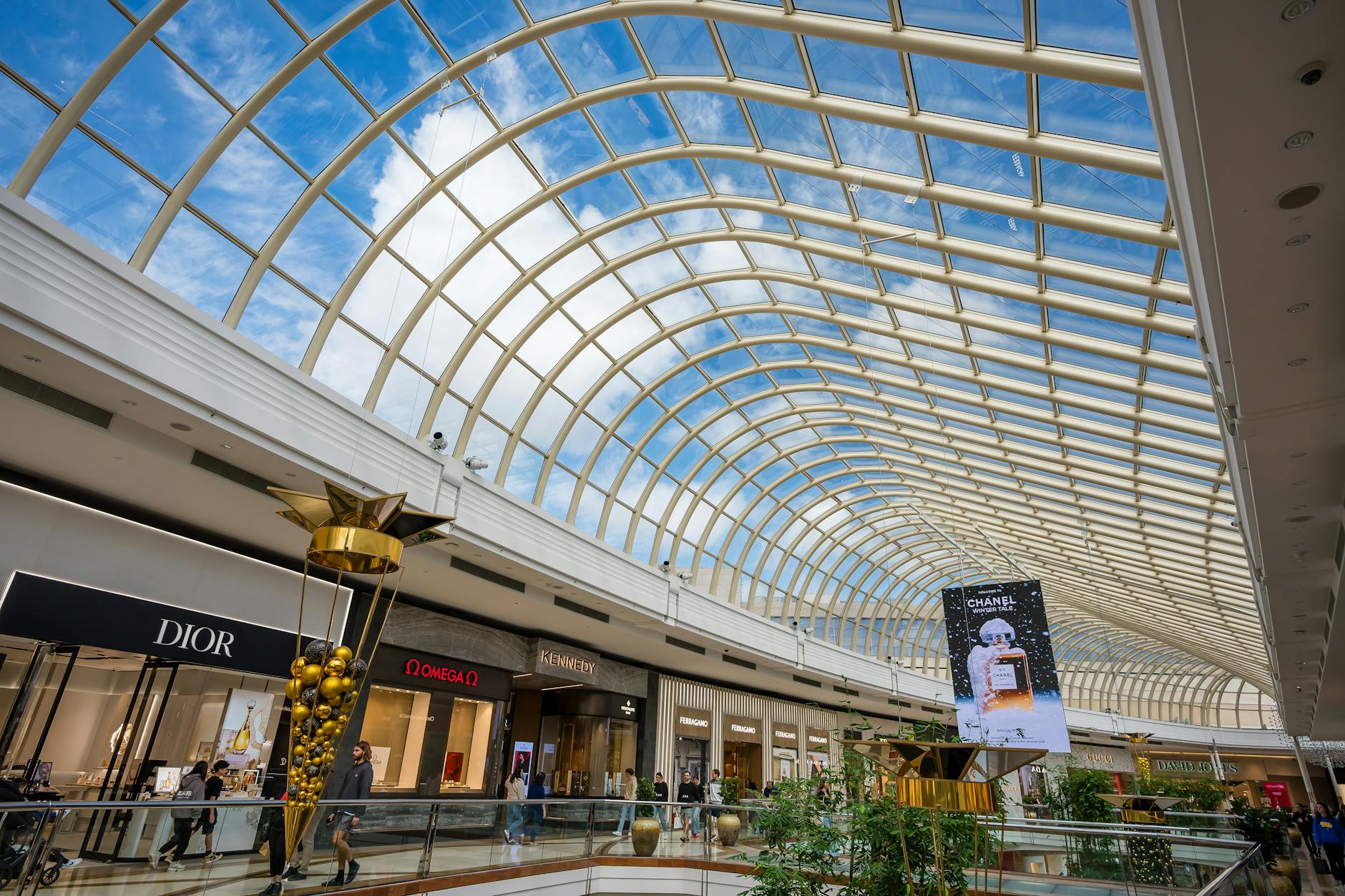
Generation Z is returning to shopping malls in droves, reversing a decade-long trend of retail decline driven by the rise of e-commerce. Market research firm Circana reports that 62% of all physical retail purchases in the United States are now made by shoppers between the ages of 18 and 24, a figure 10 percentage points higher than for older consumers.
While online shopping remains a permanent fixture of the modern economy, young consumers are increasingly prioritizing the physical experience. According to the International Council of Shopping Centers, Gen Z shoppers favor brick-and-mortar stores for the ability to inspect products, the lack of shipping wait times, and the opportunity for social interaction.
The mall as a social hub
For many young people, the shopping center serves as a "third space" distinct from home or work. A survey conducted by Lightspeed Commerce found that 75% of respondents aged 18 to 24 claim that amenities like cafes, lounge areas, and social zones directly influence their decision to visit a store.
Dax Dasilva, CEO of Lightspeed Commerce, suggests that the shift is rooted in the unique upbringing of this demographic. "Generation Z has a different reality," Dasilva notes, pointing out that many of these youth came of age during the pandemic. For them, the physical mall has become a vital venue to meet friends and alleviate feelings of isolation.
Retailers are adjusting their strategies to capture this foot traffic. Brands are pivoting toward experiential retail, incorporating high-energy influencer events and interactive store layouts designed specifically to foster community engagement.
However, the uptick in physical visits does not guarantee an increase in sales. Younger consumers possess a notably short tolerance for friction, according to a recent study by ScanQueue. The data indicates that Gen Z shoppers will abandon a purchase if they are forced to wait in line for more than five to eight minutes.
Ultimately, the trend highlights a shift in how shopping centers function. While e-commerce dominates the transactional side of retail, the physical mall is reclaiming its role as a necessary social arena for a generation seeking connection.