Mexico's economy and investment levels continued their downward trend during the first quarter of the year, according to a report by elfinanciero.com.mx.
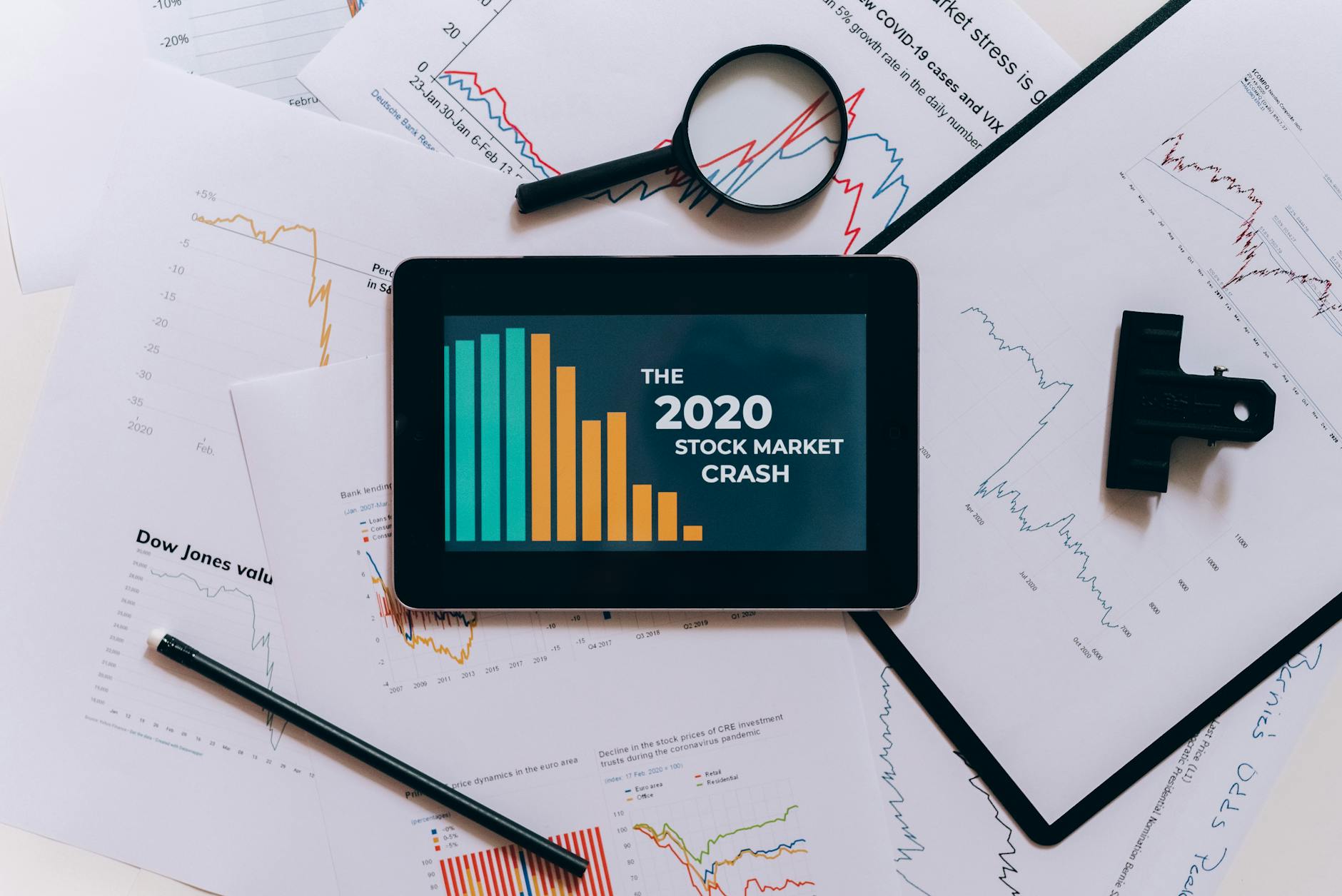
Gross fixed investment in the country dropped by 1.1% in January compared to the preceding month. Compared to the same month last year, the decline stood at 2.2%.
This pattern marks 17 consecutive months of contraction. Currently, investment levels are approximately 10% below the figures recorded in mid-2023.
The private sector is the primary driver being affected, as it accounts for 90% of total national investment. In January, private investment saw a decline of 4.5%.
This slowdown suggests that overall economic activity will remain weak in the coming months, staying well below official forecasts.
Impact on employment and inflation
The lack of investment compromises the ability of companies to increase future production. According to elfinanciero.com.mx, lower investment will lead to reduced public sector revenues, resulting in a larger-than-expected fiscal deficit.
The labor market is also showing signs of deterioration. Statistics from the ENOE, prepared by INEGI, indicate a loss of 230,000 jobs over the last twelve months.
Factors such as rising minimum wages, reduced working hours, and costs stemming from insecurity are forcing companies to restructure. This process includes reducing unskilled personnel and adopting artificial intelligence.
Meanwhile, informal employment has seen a slight uptick. This phenomenon is a concern for analysts, given that the working-age population grows by more than one million people each year without access to formal employment.
Inflation is also trending upward. During the first half of April, the Consumer Price Index reached 4.53%, while the Non-Core Index rose to 5.4%.
While government subsidies for gasoline and diesel prices prevented a sharper spike, the cost to public finances is significant. Medium- and long-term interest rates are no longer responding to the Bank of Mexico's reduction in the benchmark rate, carrying the risk of rising in the near future.