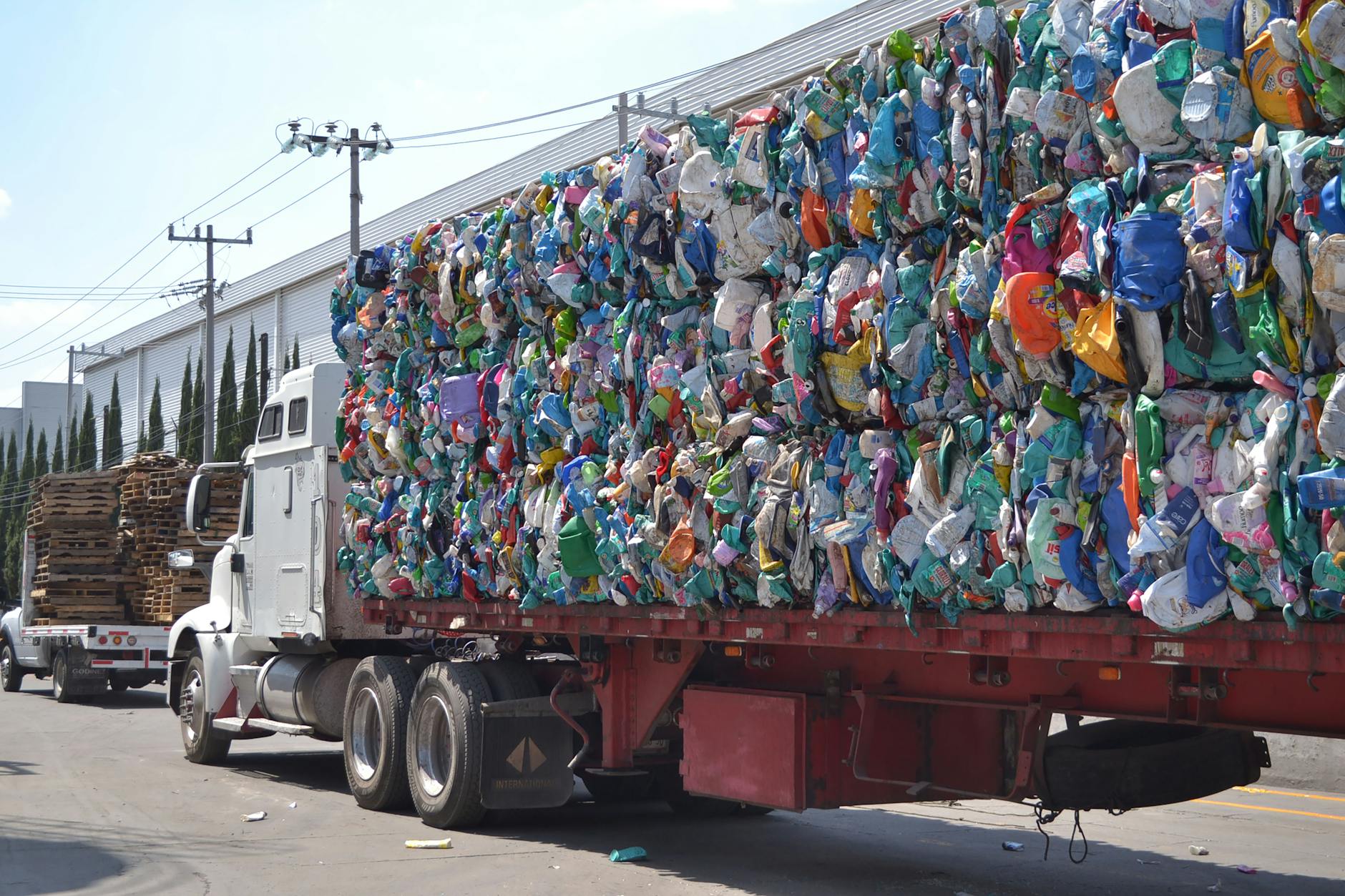
Rising diesel prices in Mexico are driving a 4% increase in transportation costs, triggering a chain reaction that directly impacts end-consumer prices.
This phenomenon operates like a domino effect: carriers adjust their rates for clients, who then pass the costs on to distributors, ultimately hitting consumers' pockets.
"As diesel prices rise, it creates an inflationary effect because carriers must pass those costs on to their clients. They simply cannot absorb these increases without risking the company's viability," explained Sotelo.
Small Carriers Most at Risk
Experts identify small and medium-sized enterprises as the sector most vulnerable to this crisis. According to data from the National Chamber of Freight Transport (Canacar), micro, small, and medium-sized carriers account for 50% of the national fleet.
Unlike large corporations, these companies lack the infrastructure needed to absorb rising operating costs. Samanta N, who owns a fleet of fewer than 30 trucks, notes that there is very little room for maneuver.
For smaller-scale carriers, raising rates carries the risk of losing clients to competitors, as their customers prioritize low prices due to the high volume of goods being moved.
César Salazar, a researcher at UNAM's Institute of Economic Research, warns that the impact is also hitting the sector's profitability. Rising operating costs are squeezing margins and stalling investments in fleet renewal and hiring.
"The impact is twofold. The consumer ends up absorbing the full brunt of the additional cost as the price increase is passed on... but I also don't rule out an impact on transport profitability, as they have to absorb part of those costs themselves," Salazar stated.
The researcher added that the situation is particularly difficult for those operating under pre-existing contracts, where rate adjustments are not immediate.